Self Storage in North Carolina Explained: What Renters Should Know Before Renting
Self-storage has become one of the easiest ways for North Carolina residents to create extra space during moves, renovations, downsizing, and everyday life changes.
Whether you need temporary storage for a few weeks or long-term space for household belongings, understanding how self-storage works can help you choose the right unit and avoid common mistakes.
Many residents across the state rely on storage units in Gastonia, NC for flexible, convenient storage solutions during major life transitions.
What Is Self Storage?
Self-storage allows renters to lease a private unit to store personal belongings, business inventory, furniture, vehicles, or seasonal items.
Most storage facilities offer a variety of unit sizes along with month-to-month rental agreements. This flexibility makes storage useful for both short-term and long-term situations.
Unlike traditional warehouses, self-storage facilities allow customers to access their belongings directly whenever needed during facility access hours.
Many North Carolina residents use storage while moving, remodeling homes, downsizing, or clearing out garages and spare bedrooms.
How Renting a Storage Unit Works
The process of renting a storage unit is usually straightforward.
Most facilities allow customers to choose a unit size, select climate-controlled or standard storage, sign a rental agreement, receive gate access information, and move belongings into the unit shortly afterward.
Many facilities now offer online reservations, automatic payments, and contactless rentals, further simplifying the process.
Renters are generally responsible for bringing their own lock unless the facility provides one.
Storage units are typically rented month-to-month, which gives customers flexibility if their plans change.
Choosing the Right Storage Unit Size
One of the most important parts of self-storage is choosing the correct unit size. Small units work well for boxes, seasonal items, and apartment overflow storage, while larger units may hold the contents of an entire house.
Many renters underestimate how much space they actually need. Creating an inventory list beforehand can help estimate the right size more accurately. Storage managers often assist customers by recommending unit sizes based on the number of rooms, furniture pieces, and boxes involved.
Many people researching choosing a self-storage facility in NC also compare security features, accessibility, and climate-controlled options before making a decision.
Climate-Controlled Storage in North Carolina
North Carolina’s climate plays a major role in how people use storage. The state experiences hot, humid summers that can affect sensitive belongings over time. According to climate data, much of North Carolina has a humid subtropical climate with high summer humidity.
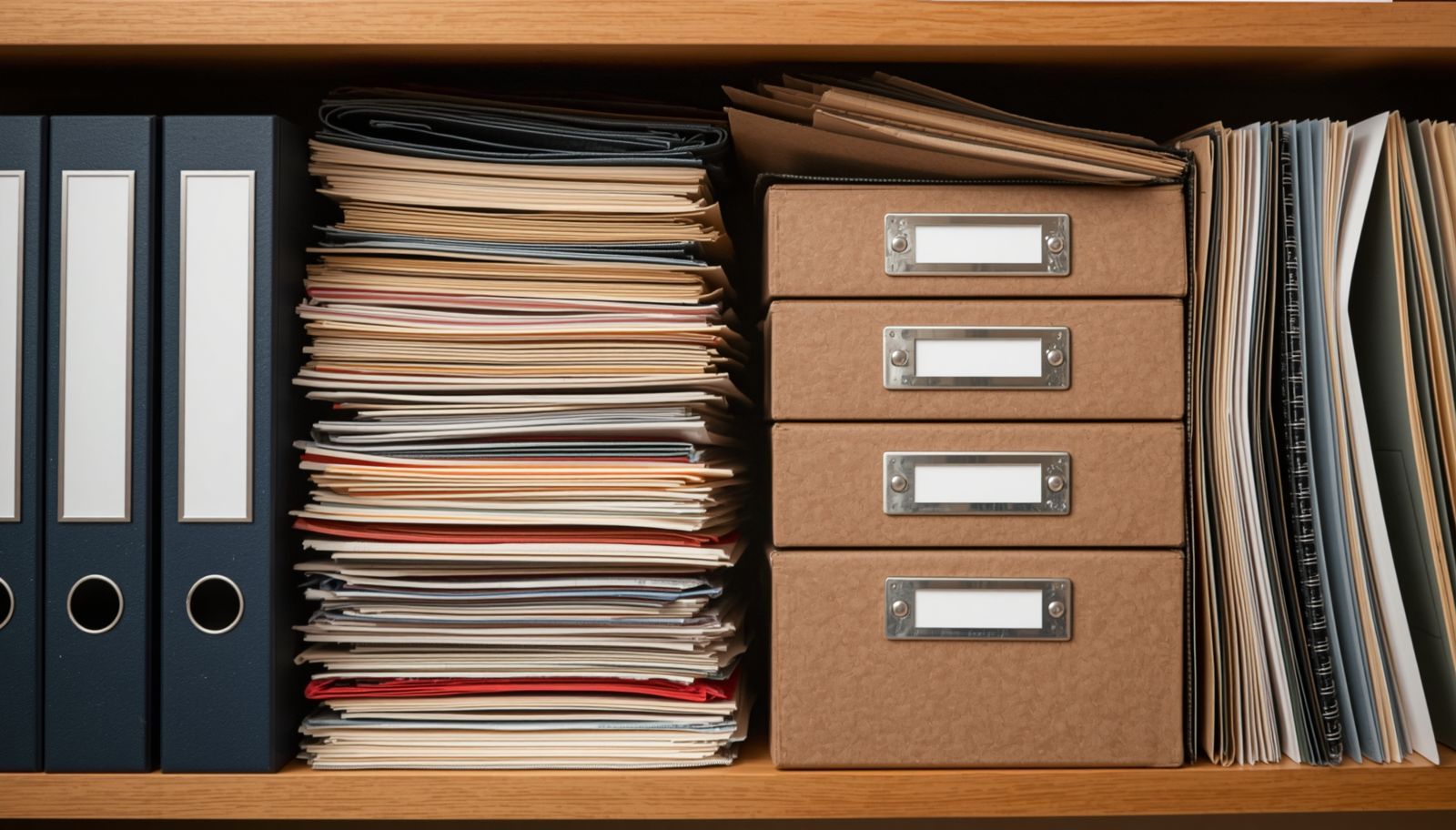
Climate-controlled storage units help maintain more stable temperature and humidity conditions compared to standard units. These units are commonly used for electronics, wooden furniture, documents, photographs, mattresses, musical instruments, clothing, and antiques.
Humidity and temperature fluctuations can contribute to mold, mildew, warping, and cracking if delicate belongings are stored improperly.
Because of this, many residents choose climate-controlled storage in North Carolina for long-term storage of valuable or temperature-sensitive items.
Standard Storage vs Climate-Controlled Storage
Standard storage units are usually more affordable and work well for durable items that are less sensitive to temperature changes.
Items such as tools, outdoor equipment, patio furniture, and garage overflow storage often fit well in standard units.
Climate-controlled units cost slightly more but provide additional protection against humidity and heat. This added protection becomes especially important during North Carolina summers.
According to storage industry guidance, stable temperature and humidity conditions help reduce the risk of mold growth, moisture damage, and material deterioration.
Security Features at Storage Facilities
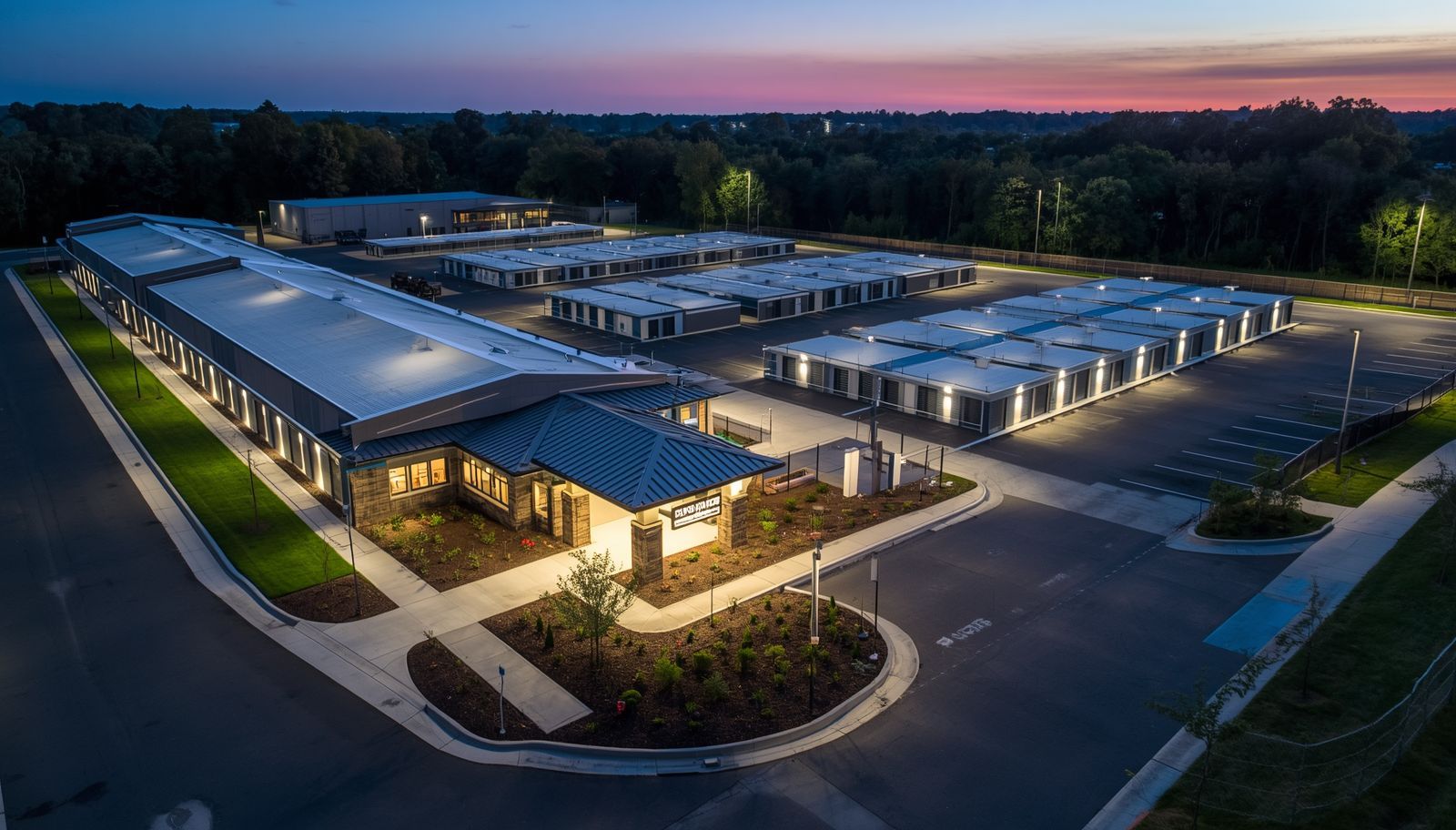
Modern storage facilities typically offer several security features designed to help protect renters’ belongings. Common features often include gated access, security cameras, perimeter fencing, individual unit locks, facility lighting, and on-site management.
Some facilities also provide personalized gate codes and activity monitoring for additional security. Security often becomes one of the biggest deciding factors when renters compare facilities.
Many residents throughout the Triad and Charlotte metro areas choose storage units in Kernersville, NC because of convenient access and modern facility features.
Drive-Up Storage vs Indoor Storage
Storage facilities often offer both drive-up and indoor storage units.
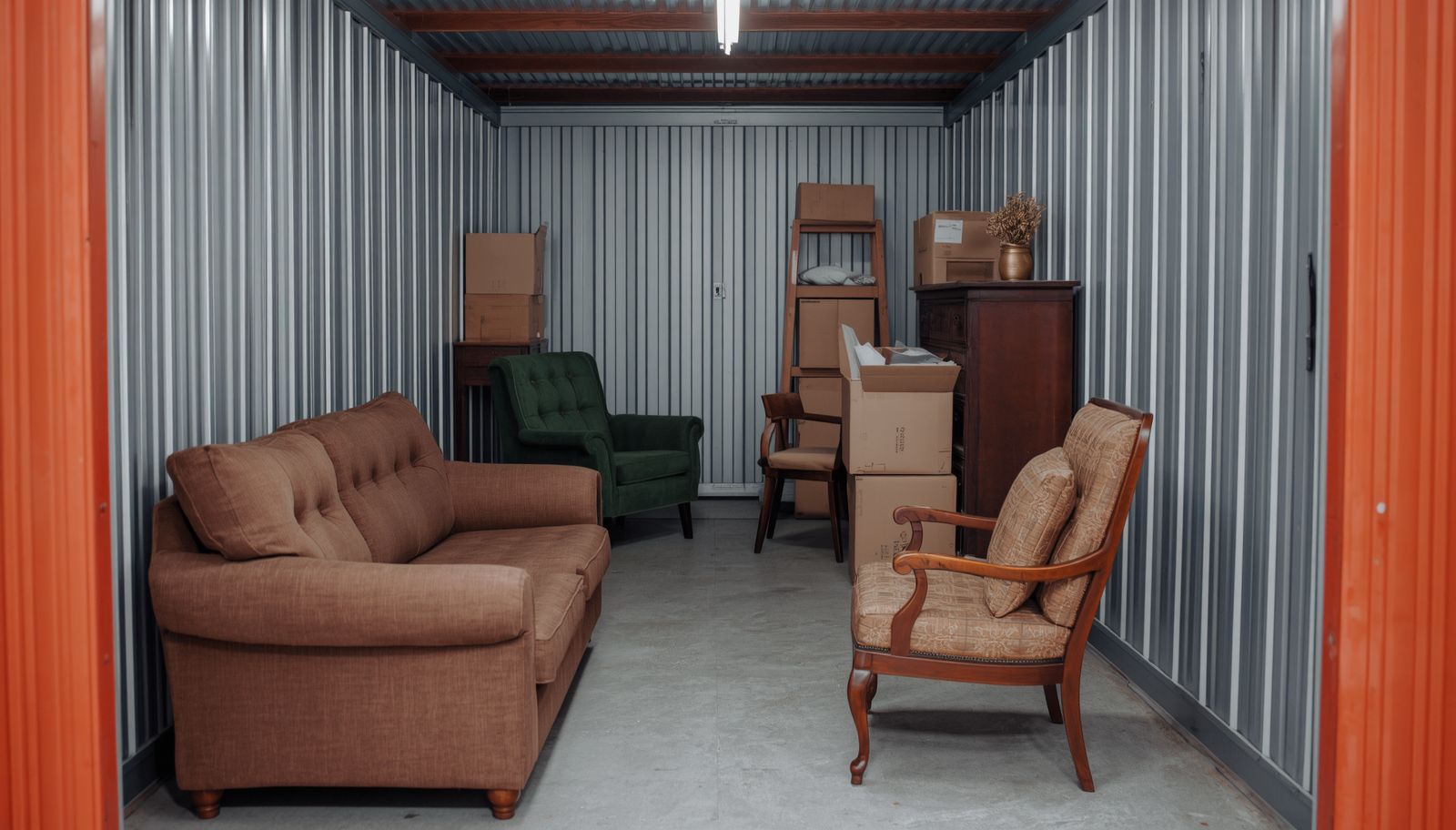
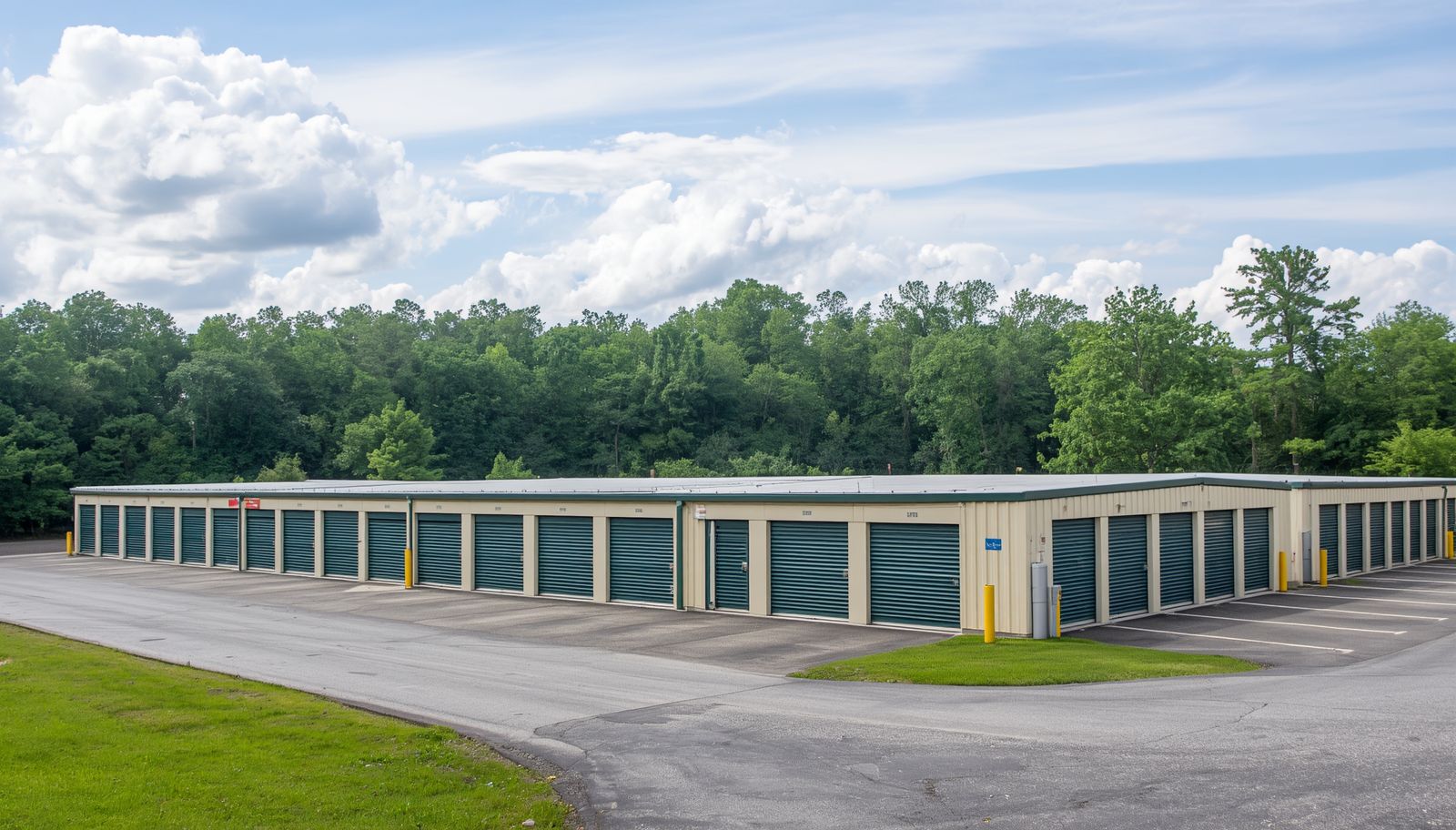
Drive-up units allow renters to pull vehicles directly up to the unit door, making loading and unloading much easier. These units are popular for heavier items, tools, equipment, and frequent access.
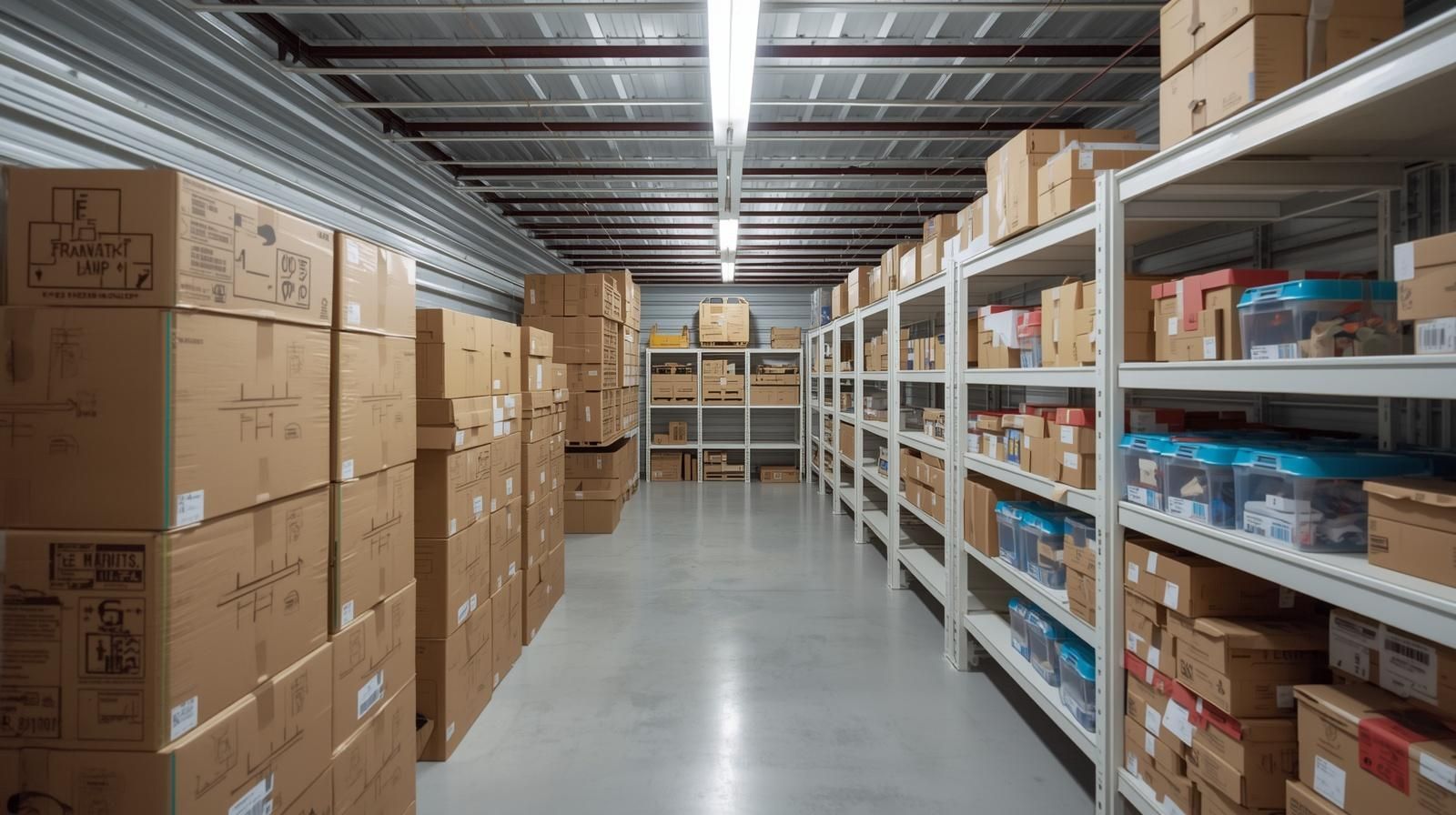
Indoor units are usually located inside larger buildings and commonly include climate control. These units often provide additional protection from weather and outdoor dust.
The best choice depends on what you are storing and how often you plan to access the unit. The North Carolina Self Storage Association also provides industry information and resources related to storage facilities and storage operations throughout the state.
Storage During Moving and Relocation
One of the most common reasons people rent storage units is during moves.
Closing delays, downsizing, temporary housing, and renovation projects often create situations where extra storage space becomes necessary.
Storage can help reduce stress during moves by allowing renters to move belongings gradually instead of rushing everything at once.
North Carolina continues seeing strong population growth as people relocate from other states for affordability, jobs, and lifestyle changes. According to the U.S. Census Bureau, North Carolina remains one of the fastest-growing states in the country.
Because of this, demand for flexible storage options continues to grow throughout many North Carolina communities.
Business Storage in North Carolina
Storage units are not only used for household belongings.
Many businesses use self-storage for inventory, office furniture, equipment, documents, seasonal displays, and contractor tools. Small business owners often appreciate the flexibility and lower cost of renting additional commercial warehouse space.
Storage facilities with extended access hours can be especially useful for contractors, landscapers, and service businesses that need early or late access to equipment.
Many businesses and residents throughout the Wilmington area rely on storage units in Wilmington, NC because of convenient access and flexible storage options.
What Happens After You Rent a Unit?
After signing the rental agreement, renters can move belongings into the unit immediately if the space is available. Most facilities require renters to provide proof of identification and maintain an active payment method.
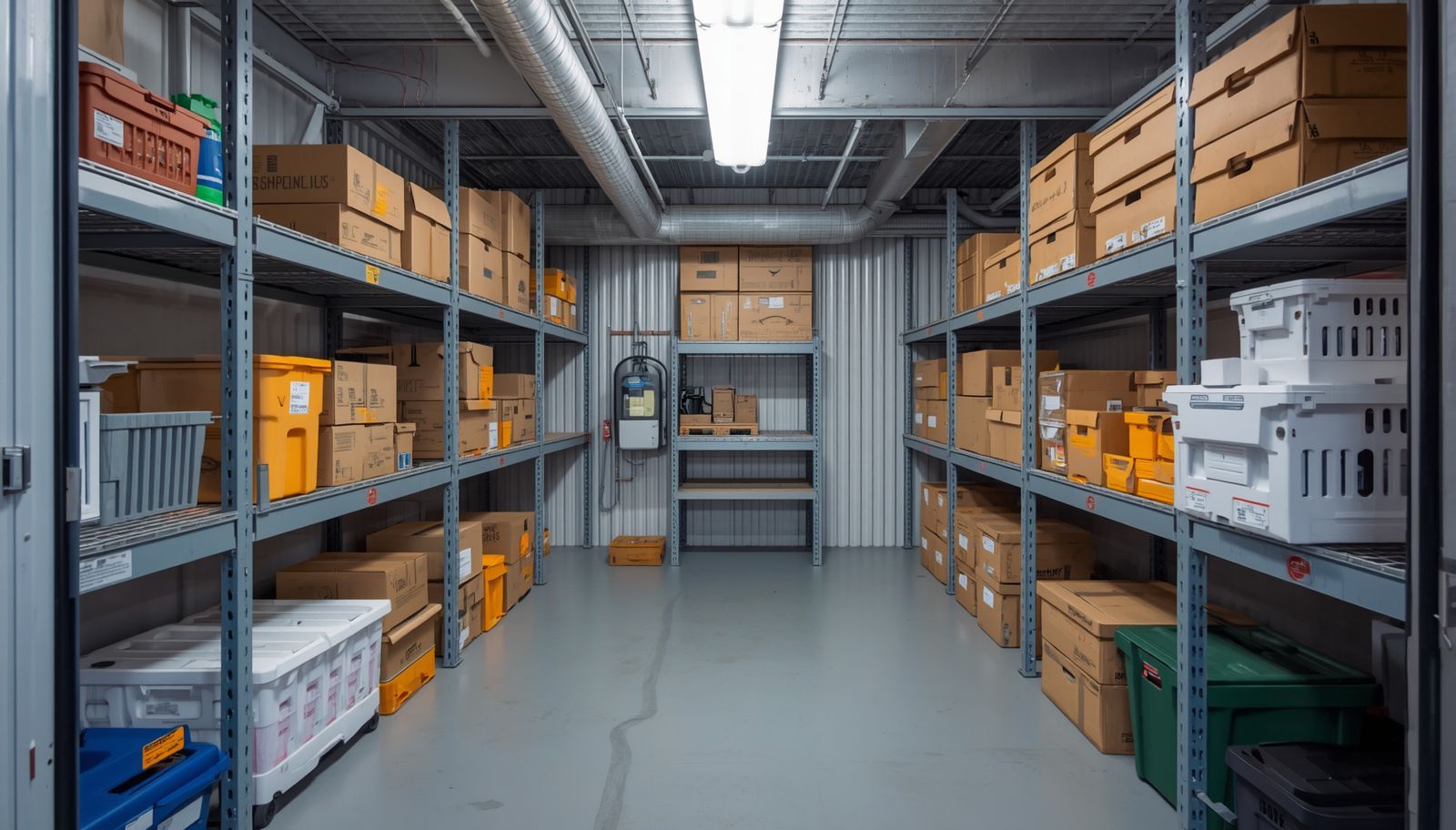
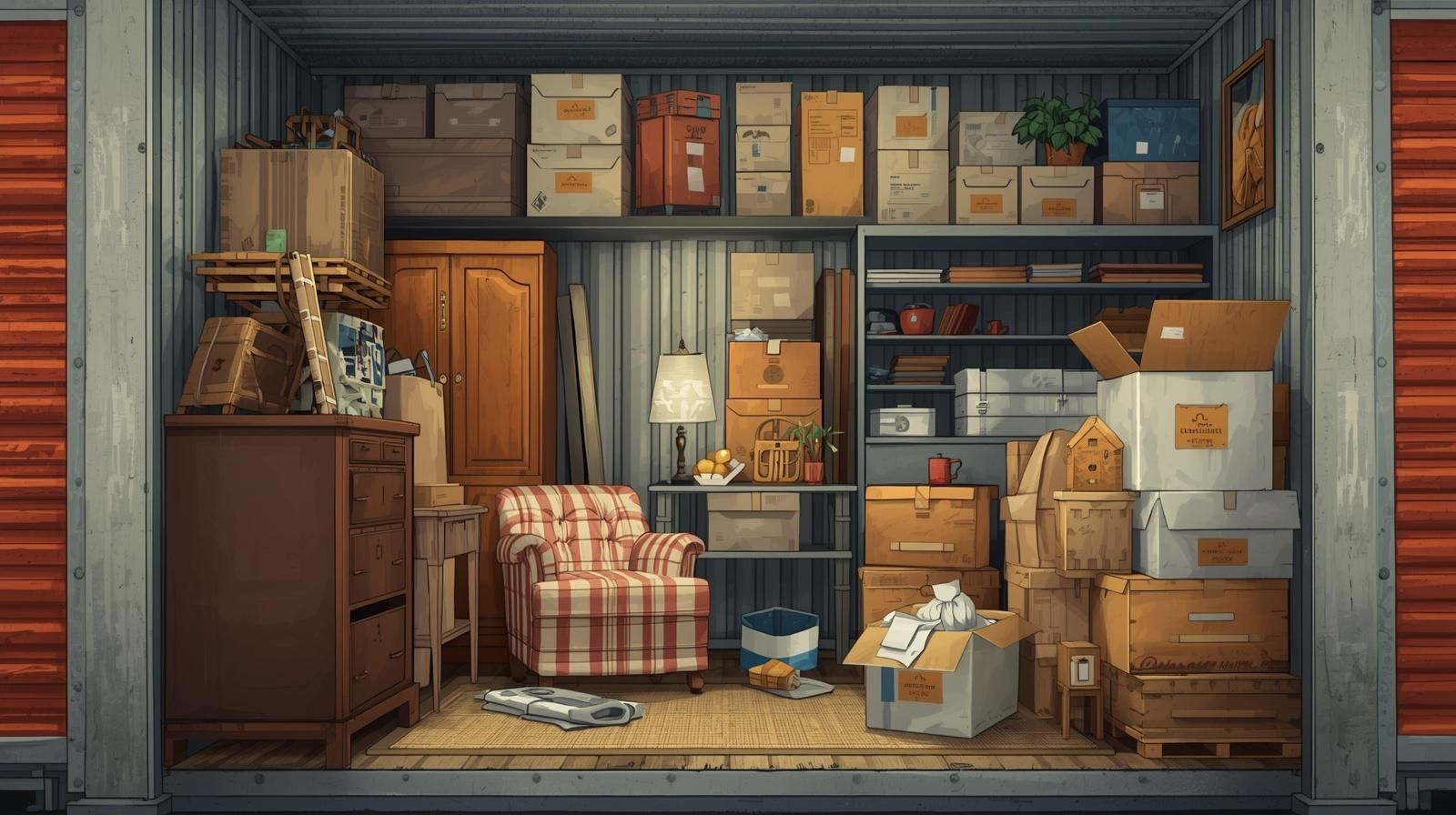
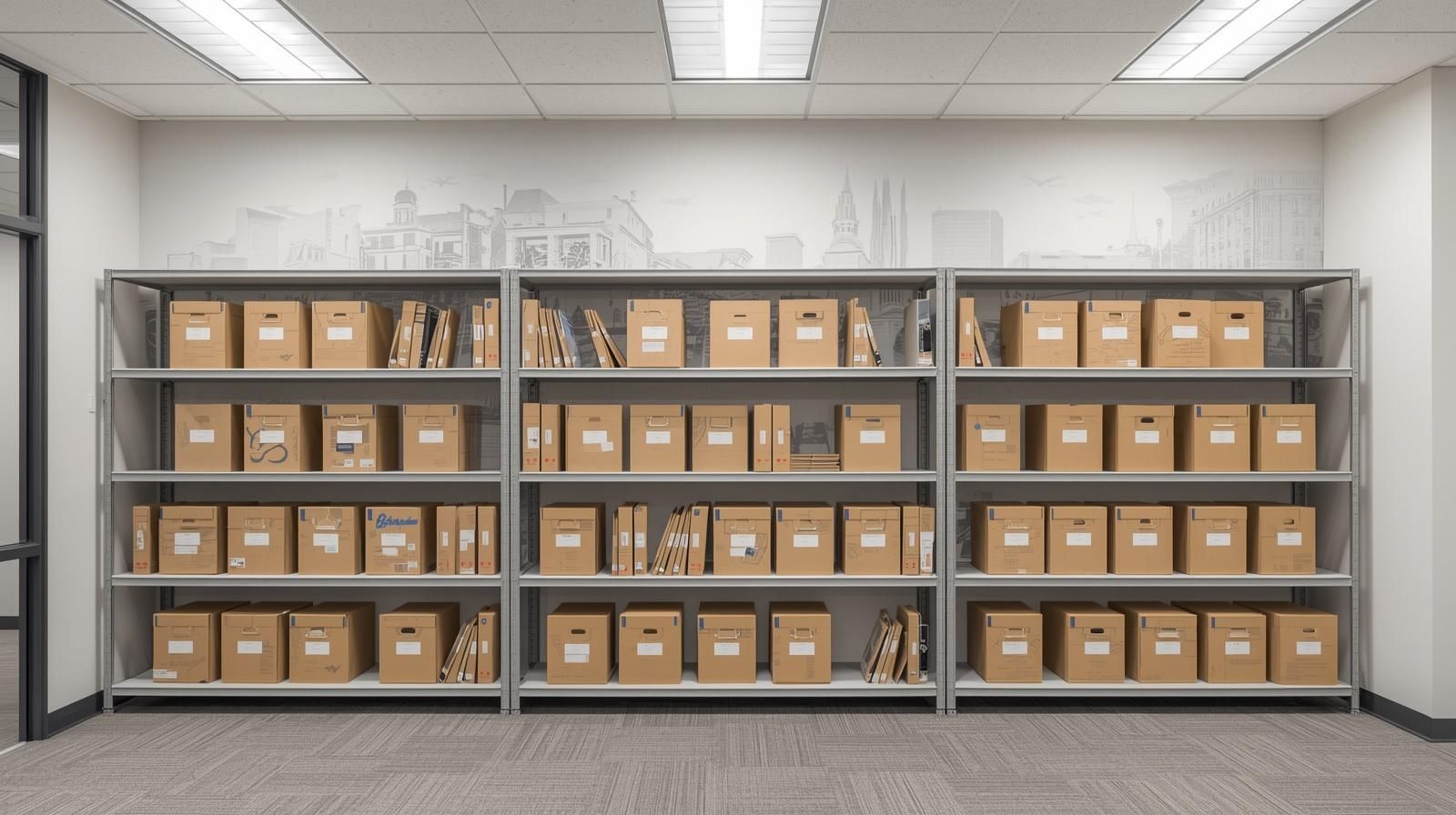
Many renters choose to organize units carefully using shelves, labeled boxes, and walkways for easier access later. Storage facilities generally allow renters to remain month-to-month unless they give notice to move out.
Before vacating, renters usually remove all belongings, clean the unit, and notify management that the rental period is ending.
Tips for Using Self Storage Successfully
Packing efficiently can make long-term storage much easier.
Using sturdy boxes, labeling containers clearly, and protecting furniture with covers or blankets can help keep belongings organized and protected.
Leaving small walkways inside the unit also makes it easier to access items later without unpacking the entire space.
For long-term storage, climate-controlled units may help prevent costly damage from humidity and heat common in North Carolina.
The North Carolina Department of Commerce also tracks the state’s continued population and economic growth, which contributes to increased moving and storage demand throughout many North Carolina communities.
Final Thoughts on How Self Storage Works in North Carolina
Self-storage offers North Carolina residents a flexible, convenient way to manage extra belongings during moves, renovations, downsizing, and everyday life changes. From climate-controlled units to drive-up storage and business inventory space, modern facilities offer a variety of options designed for different storage needs.
Whether you need temporary storage during a move or long-term space for household items, many residents throughout the state rely on
self-storage in Gastonia, NC and other nearby facilities for secure, accessible, and flexible storage year-round.