Climate-Controlled Storage or Standard Storage? How To Choose the Best Option for Your Belongings
Choosing between climate-controlled and non-climate-controlled storage is one of the biggest decisions renters make when selecting a storage unit. While both options provide extra space for belongings, they serve different purposes depending on what you plan to store, how long you need storage, and the climate where you live.
Many renters looking for storage units in Florence, SC compare these two storage types before deciding which option best fits their needs.
What Is Climate-Controlled Storage?
Climate-controlled storage units are designed to maintain more stable indoor temperatures and humidity levels year-round.
Unlike standard units that may be exposed to outdoor weather conditions, climate-controlled units help reduce extreme heat, cold, and moisture fluctuations that can damage sensitive belongings over time.
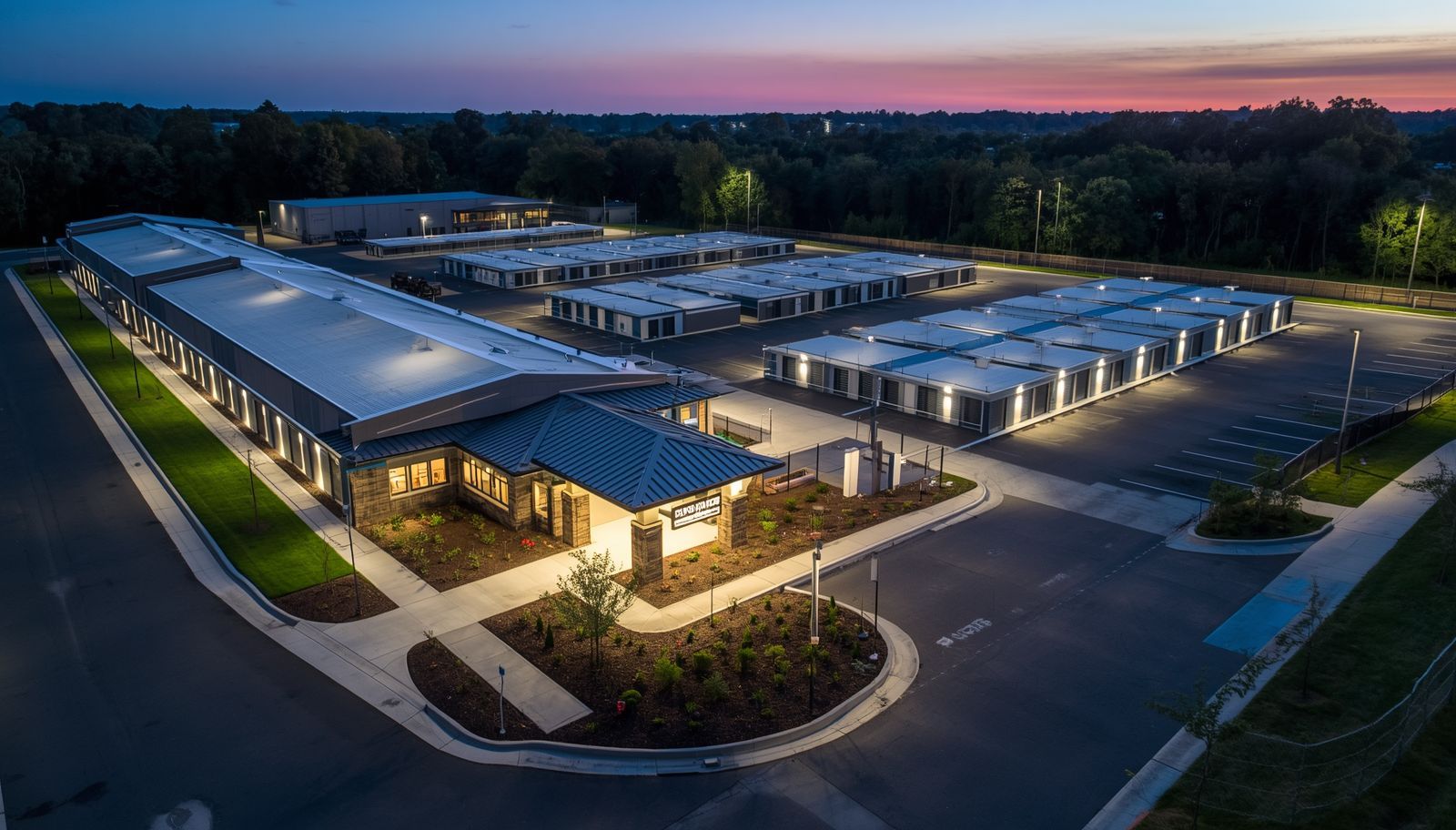
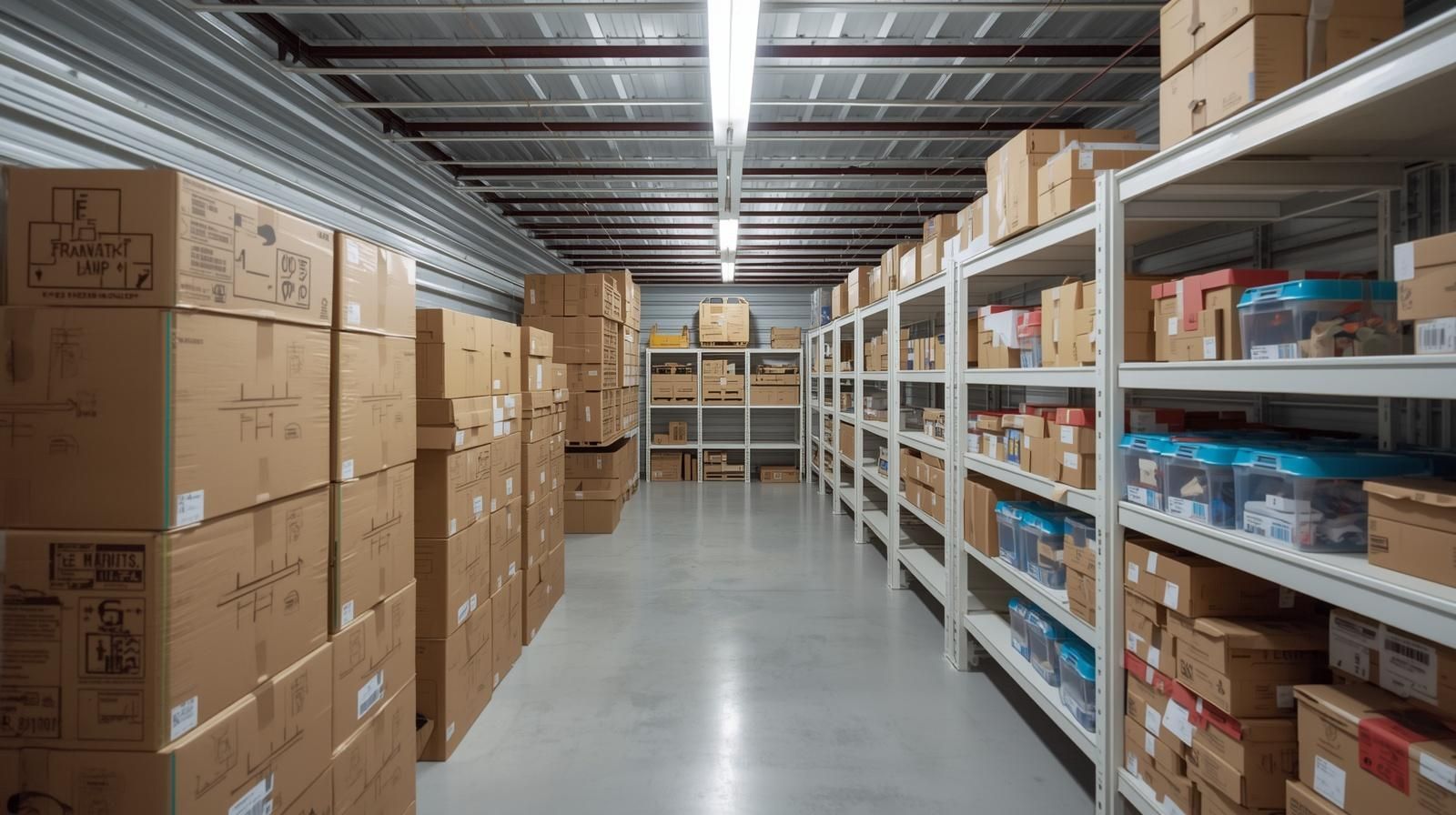
These units are usually located inside enclosed buildings and often provide cleaner hallways, better insulation, and additional protection from dust and outdoor debris.
Climate-controlled storage is especially popular in regions with hot summers, high humidity, or major seasonal temperature swings.
What Is Non-Climate-Controlled Storage?
Non-climate-controlled storage, often called standard storage, does not regulate indoor temperatures or humidity.
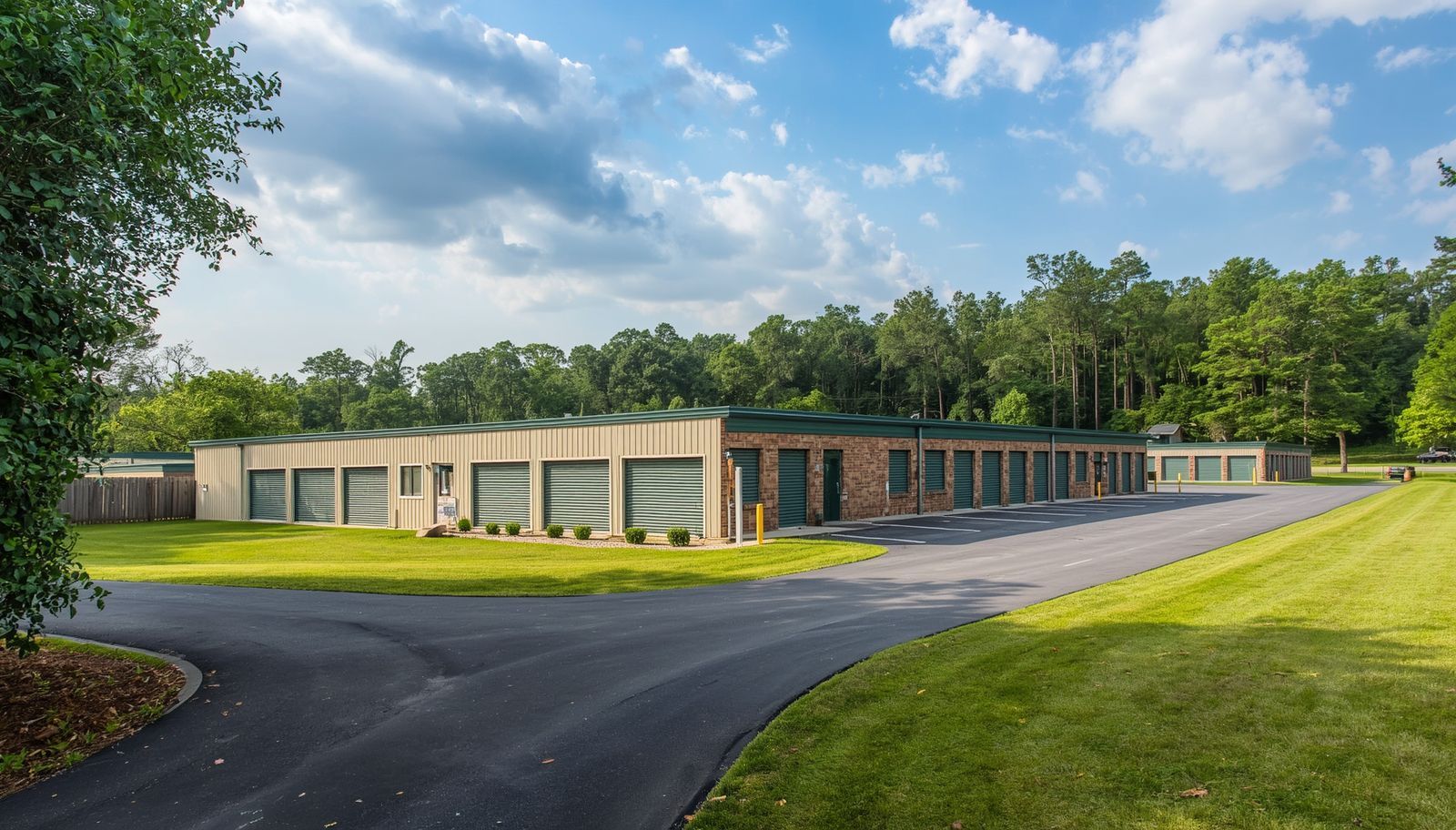
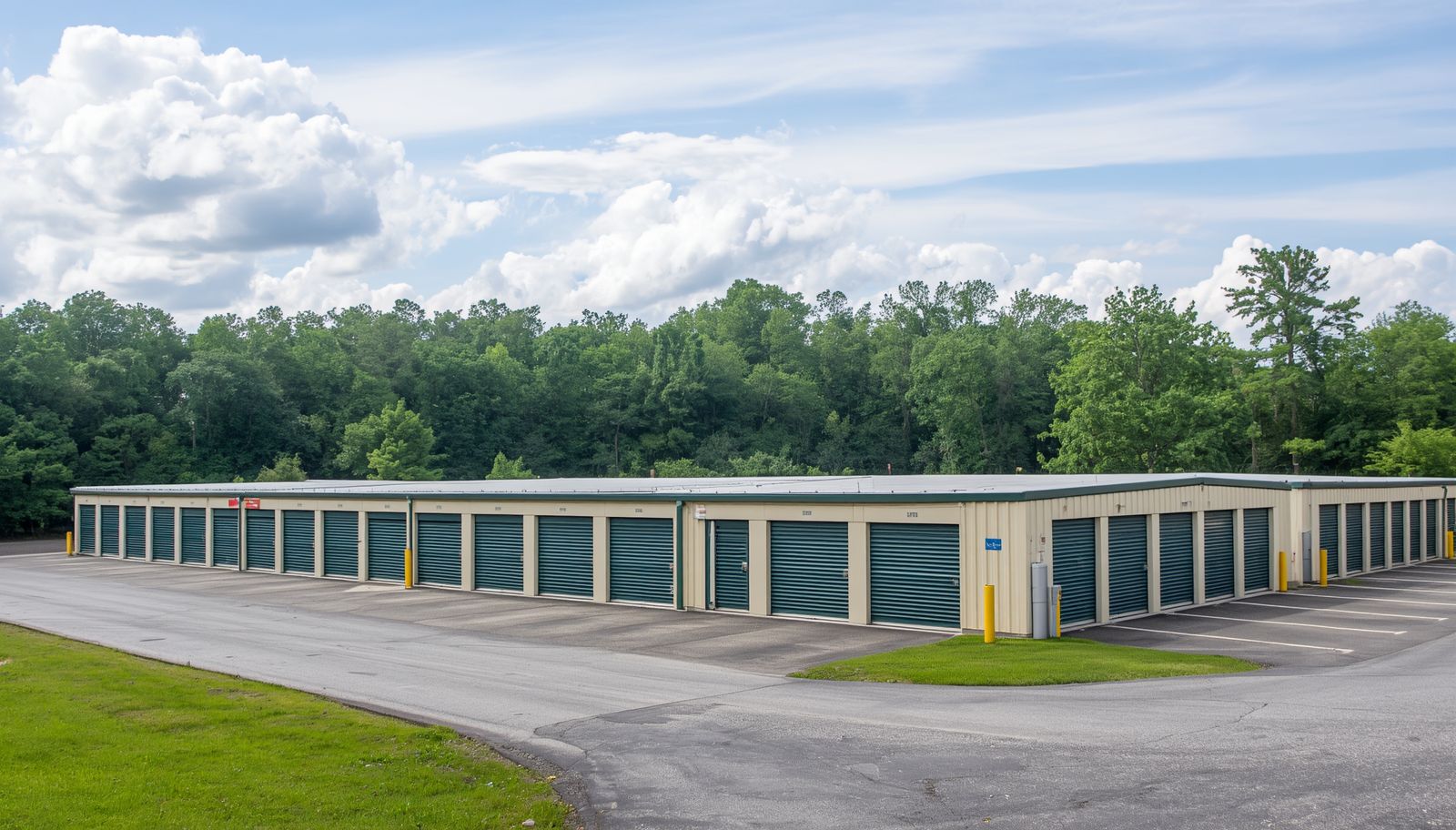
These units are commonly drive-up accessible and exposed to outdoor weather conditions. While they still protect belongings from rain and direct exposure, temperatures inside the unit generally fluctuate with the outside climate.
Standard storage works well for durable items that are less sensitive to environmental changes.
Because these units are usually more affordable, many renters choose them for short-term storage or for items that do not require additional protection.
The Biggest Difference Between the Two
The main difference between climate-controlled and non-climate-controlled storage comes down to environmental stability.
Climate-controlled units help reduce the risk of moisture damage, warping, cracking, mold, mildew, and heat-related deterioration. Standard units offer basic enclosed storage but may experience extreme temperature swings during the summer and winter months.
In humid states like North Carolina and South Carolina, climate conditions can affect stored belongings more quickly than many people realize. According to the National Weather Service, southeastern states regularly experience high humidity levels during warmer months, increasing the risk of moisture-related damage in enclosed spaces.
Because of this, many renters choose climate-controlled storage in North Carolina for valuable or temperature-sensitive belongings.
What Items Should Be Stored in Climate-Controlled Units?
Climate-controlled storage is often recommended for delicate or valuable belongings that may be damaged by prolonged exposure to heat or humidity.
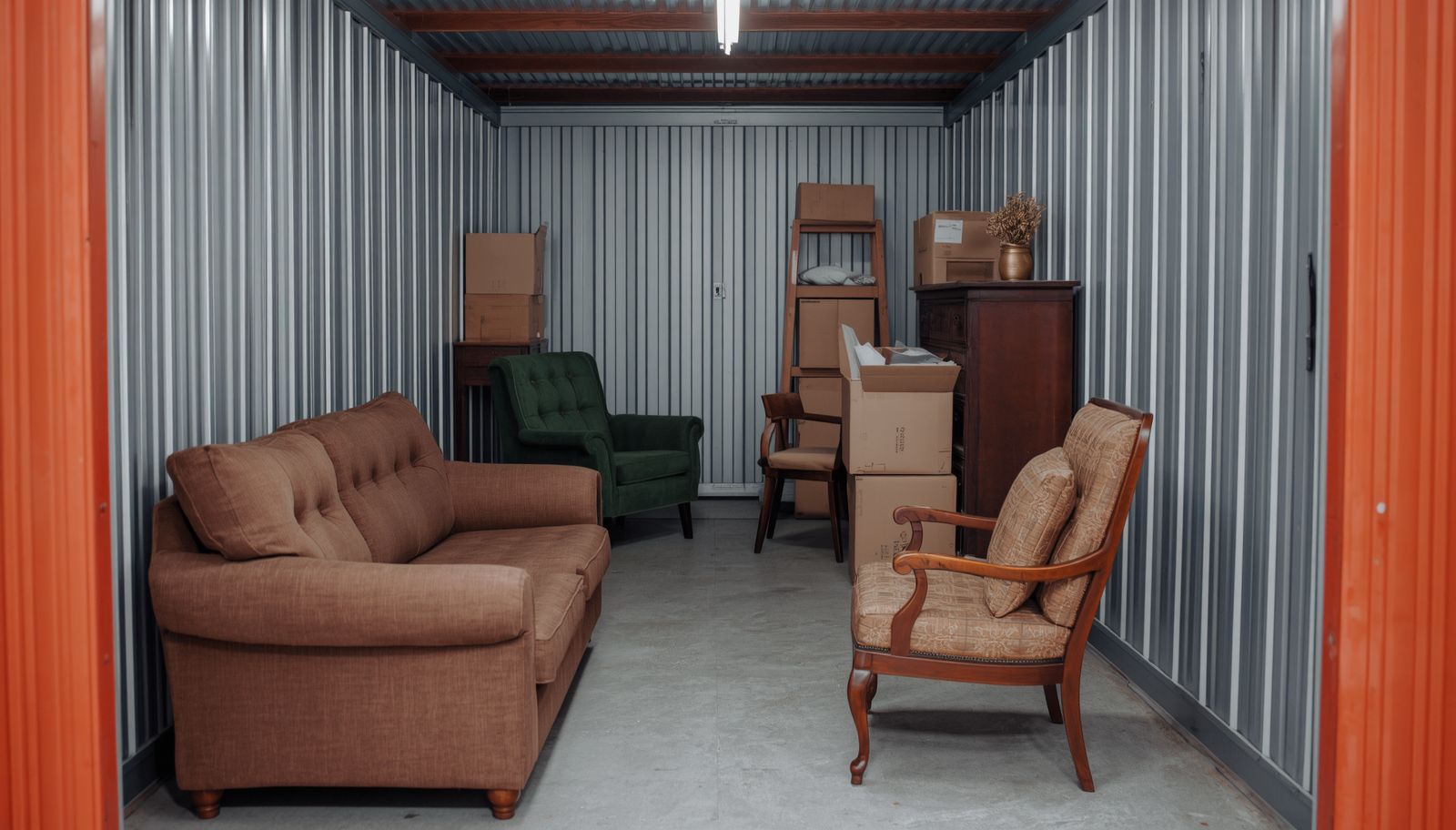
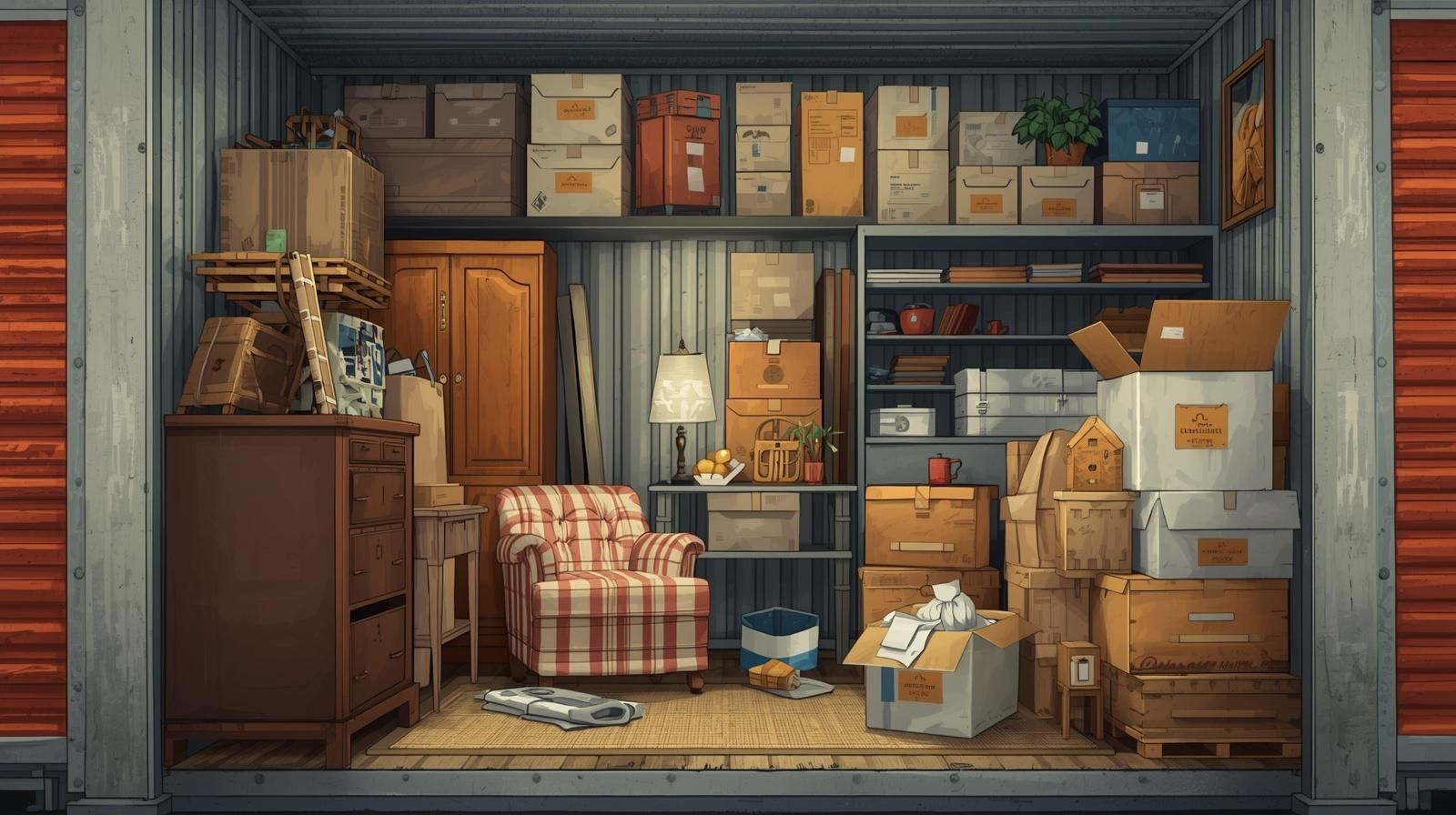
Items that commonly benefit from climate-controlled storage include wooden furniture, electronics, documents, photographs, musical instruments, mattresses, artwork, antiques, collectibles, and clothing.
Wood furniture can warp or crack over time if exposed to excessive humidity. Electronics may also become damaged by heat or moisture buildup.
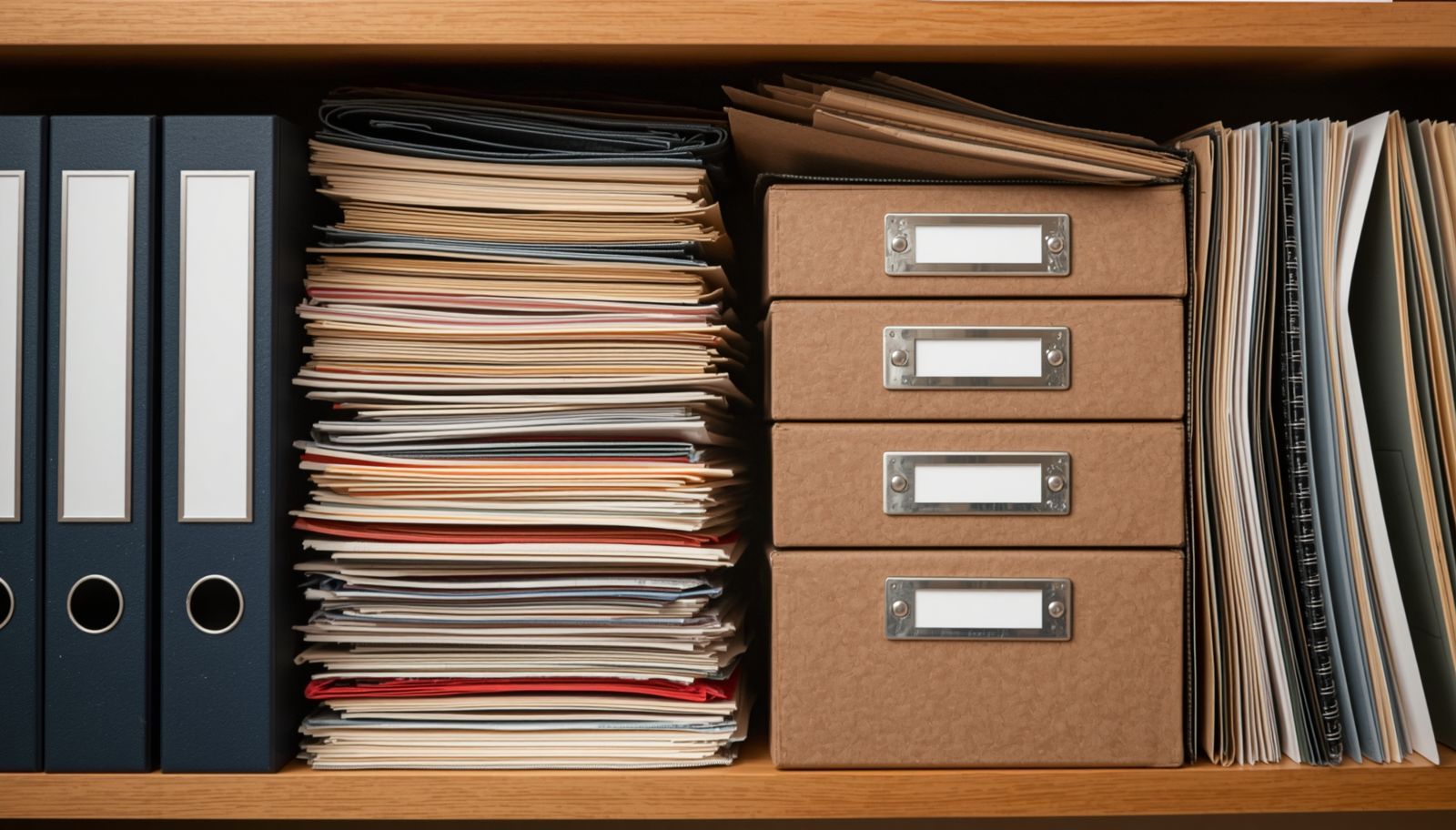
Paper items such as photographs and important documents are especially vulnerable to mildew and humidity damage during long-term storage.
What Items Usually Work Fine in Standard Storage?
Standard storage units work well for durable belongings that are less sensitive to environmental changes.
Items like tools, patio furniture, outdoor equipment, lawn equipment, plastic containers, metal shelving, and garage overflow items are often perfectly suitable for standard storage.
For short-term storage situations, many renters find standard units completely sufficient.
Drive-up accessibility also makes standard units especially convenient for people who need frequent access to heavier belongings.
Climate-Controlled Storage Is Especially Helpful in the Southeast
Climate-controlled storage becomes much more valuable in areas with high humidity and warm summers.
North Carolina and South Carolina regularly experience humid conditions during the spring and summer months. Moisture buildup inside enclosed spaces can eventually contribute to mold, mildew, rust, and unpleasant odors if belongings are stored improperly.
The North Carolina Climate Office tracks long-term weather and humidity conditions across the region and highlights the state’s warm, humid climate.
Many renters who store belongings long-term choose climate-controlled units for added peace of mind.
Comparing Costs Between the Two Options
Climate-controlled units generally cost more than standard storage units because of the additional insulation, indoor construction, and temperature-regulation systems.
However, the higher monthly cost may help prevent expensive damage to sensitive belongings over time.
For renters storing valuable furniture, electronics, or irreplaceable personal items, the added protection often outweighs the slightly higher rental price.
Standard storage remains the more budget-friendly option for durable belongings or shorter storage periods.
Security and Accessibility Differences
Climate-controlled units are often located inside larger buildings with enclosed hallways and keypad access systems. This setup may provide an extra layer of security and protection from weather exposure.
Standard drive-up units offer easier loading and unloading directly from your vehicle, which many renters prefer during moves or business use.
Choosing between convenience and environmental protection often depends on your specific storage priorities.
Many renters looking for storage units in Burlington, NC compare indoor climate-controlled units with outdoor drive-up units before deciding which option works best for their situation.
Storage for College Students
College students often use both standard and climate-controlled storage during summer breaks, internships, or study abroad programs. Climate-controlled units are especially useful for students storing laptops, electronics, textbooks, furniture, and clothing during humid summer months.
Many families researching storage tips for college students in North Carolina also consider climate-controlled options when storing belongings between semesters.
Short-term student storage has become increasingly common near colleges and universities throughout North Carolina.
Long-Term Storage Considerations
The longer belongings remain in storage, the more important climate conditions become.
A few weeks in standard storage may not cause problems for most items. However, several months or years of exposure to humidity and temperature swings can create long-term damage to sensitive belongings.
People storing family heirlooms, antiques, important paperwork, or expensive furniture often choose climate-controlled units for long-term peace of mind.
Storage experts generally recommend climate-controlled storage whenever items have sentimental or high financial value. The Federal Emergency Management Agency also recommends protecting important documents and valuable belongings from moisture and environmental damage during long-term storage situations.
Which Storage Option Is Right for You?
The best choice depends on what you are storing, how long you plan to store it, and your local climate.
If you are storing durable equipment for a short time and want lower monthly costs, standard storage may work perfectly well. If you are storing valuable belongings, electronics, wood furniture, or personal items long-term, climate-controlled storage usually provides better protection.
Many renters also choose a combination of both, depending on the items involved. Residents looking for storage units in Holden Beach, NC often choose climate-controlled storage because coastal humidity and seasonal weather conditions can affect sensitive belongings more quickly.
Final Thoughts on Climate-Controlled vs Standard Storage
Both climate-controlled and non-climate-controlled storage units serve important purposes. The right option ultimately depends on your belongings, budget, and how much protection you want during storage.
While standard storage works well for many durable items, climate-controlled storage offers added protection against humidity, heat, and long-term environmental damage. For many renters, that additional peace of mind makes the investment worthwhile.
Whether you are storing household furniture, college belongings, business inventory, or seasonal equipment, choosing the right type of storage can help keep your belongings protected year-round.