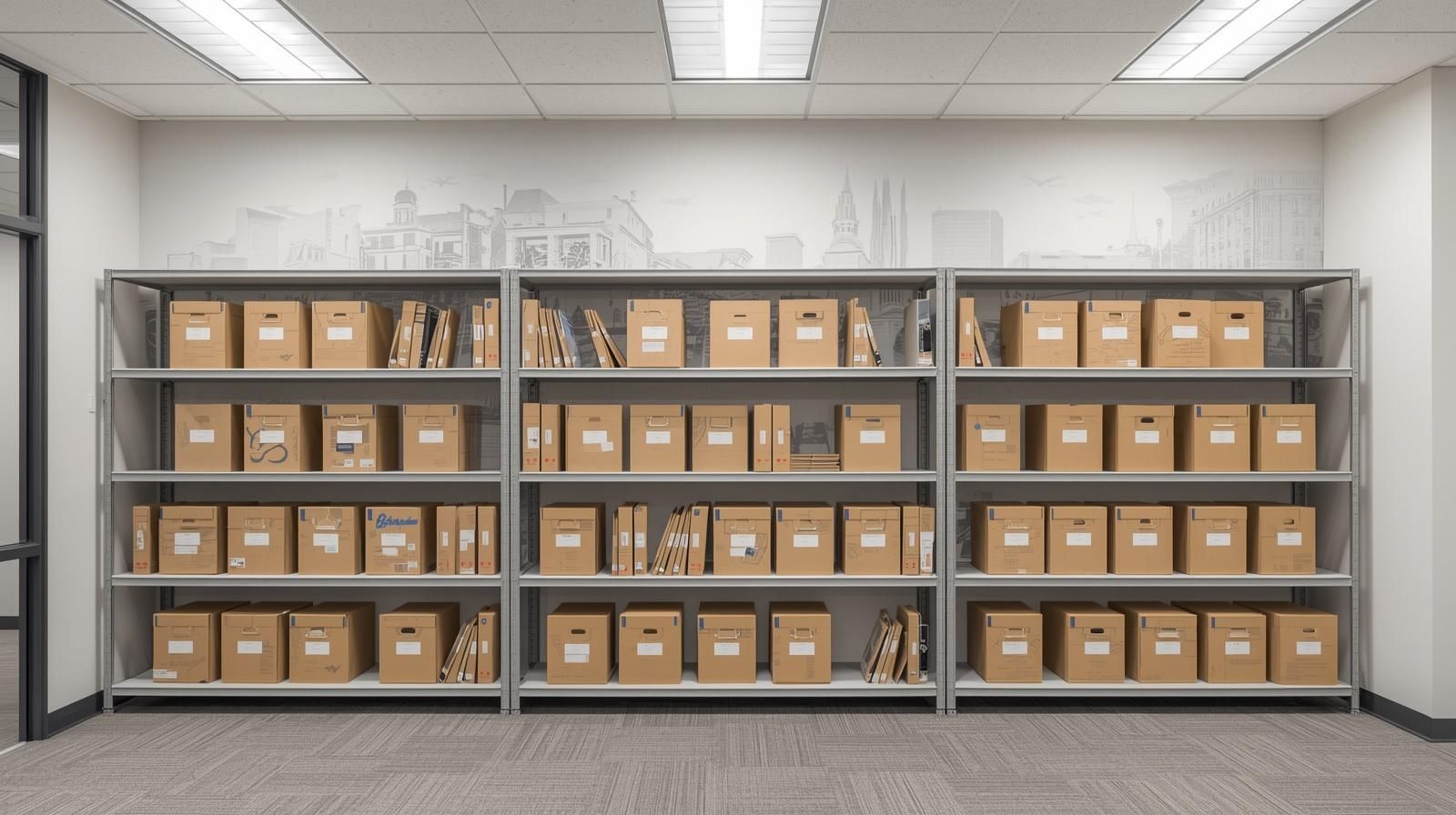
Why Climate-Controlled Storage in North Carolina Matters More Than You Think
If you are storing valuable items in North Carolina, choosing the right type of storage can make a big difference over time. The state’s mix of heat, humidity, and seasonal changes can cause damage that is not always obvious right away.
That is why many people turn to options like climate-controlled storage in Lexington, NC to better protect their belongings during moves, renovations, or long-term storage.
Understanding North Carolina’s Climate
North Carolina has a humid subtropical climate across most of the state, meaning summers are hot and humid while winters can still bring occasional cold snaps. According to NOAA, the state regularly experiences high humidity levels and seasonal temperature swings.
This combination creates a challenging environment for storing items. High humidity levels and temperature fluctuations can impact everything from furniture to electronics. Over time, exposure to these conditions can lead to mold growth, warping, and deterioration.
What Is Climate-Controlled Storage?
Climate-controlled storage units are designed to maintain a consistent temperature and humidity level year-round. Most facilities keep units between about 55 and 85 degrees to protect sensitive items from extreme conditions.
Unlike standard storage units, these spaces are typically indoors and insulated, which helps create a stable environment regardless of what is happening outside.
Why Climate Control Is Important in North Carolina
North Carolina’s weather makes climate control more than just a convenience. It is often necessary to prevent damage.
Hot summers combined with high humidity can create the perfect conditions for mold and mildew. Data from the North Carolina State Climate Office shows that humidity levels remain consistently high throughout much of the year.
At the same time, temperature fluctuations can cause materials like wood and plastic to expand and contract, leading to cracks or warping.
Climate-controlled units help prevent these issues by maintaining stable conditions. This reduces the risk of long-term damage and helps preserve the condition of your belongings.
What Items Should Be Stored in Climate-Controlled Units?
Not everything requires climate control, but many everyday items benefit from it. If you are storing anything sensitive to temperature or moisture, it is usually the better choice.
Common items that should be stored in climate-controlled units include:
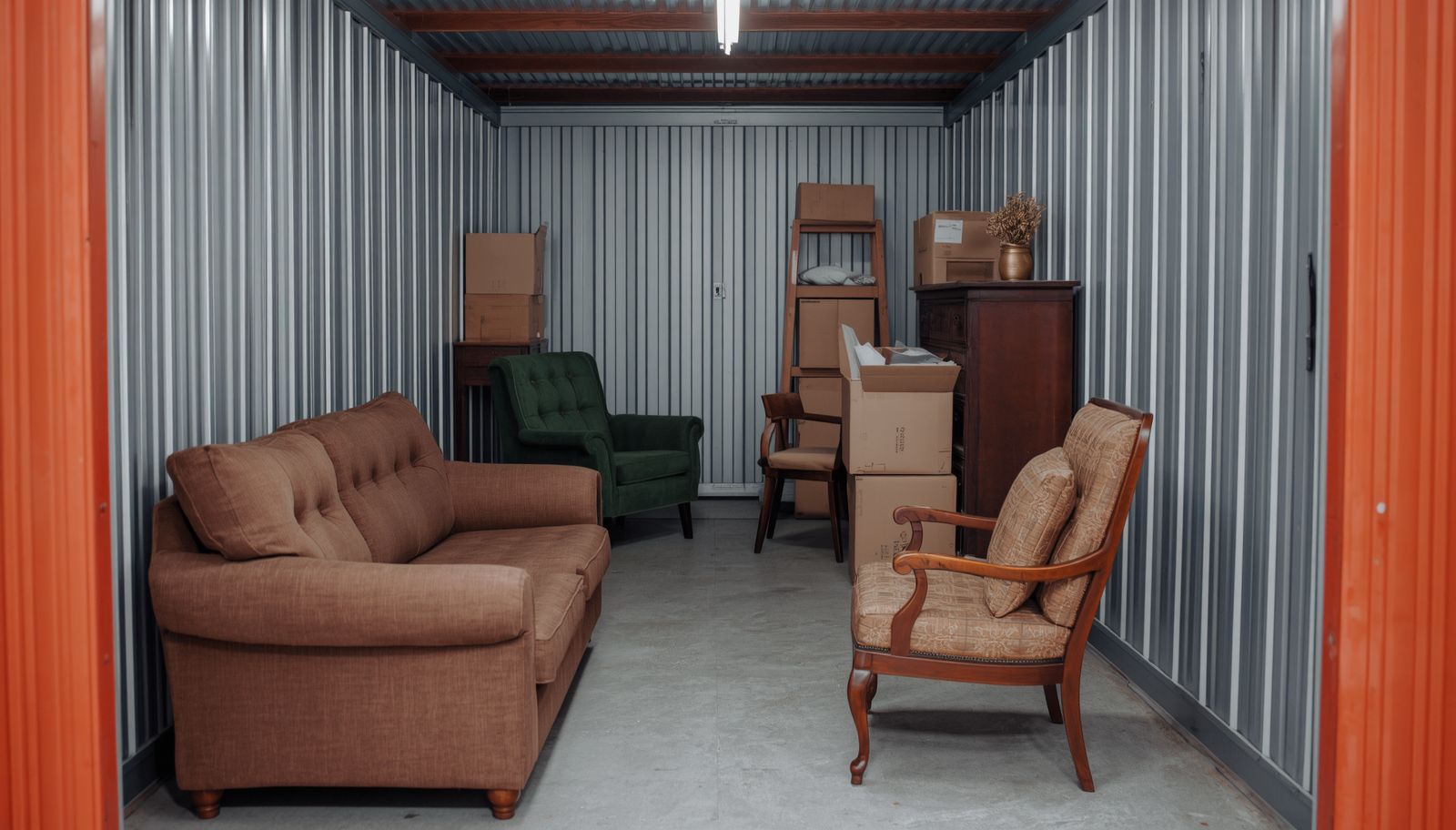
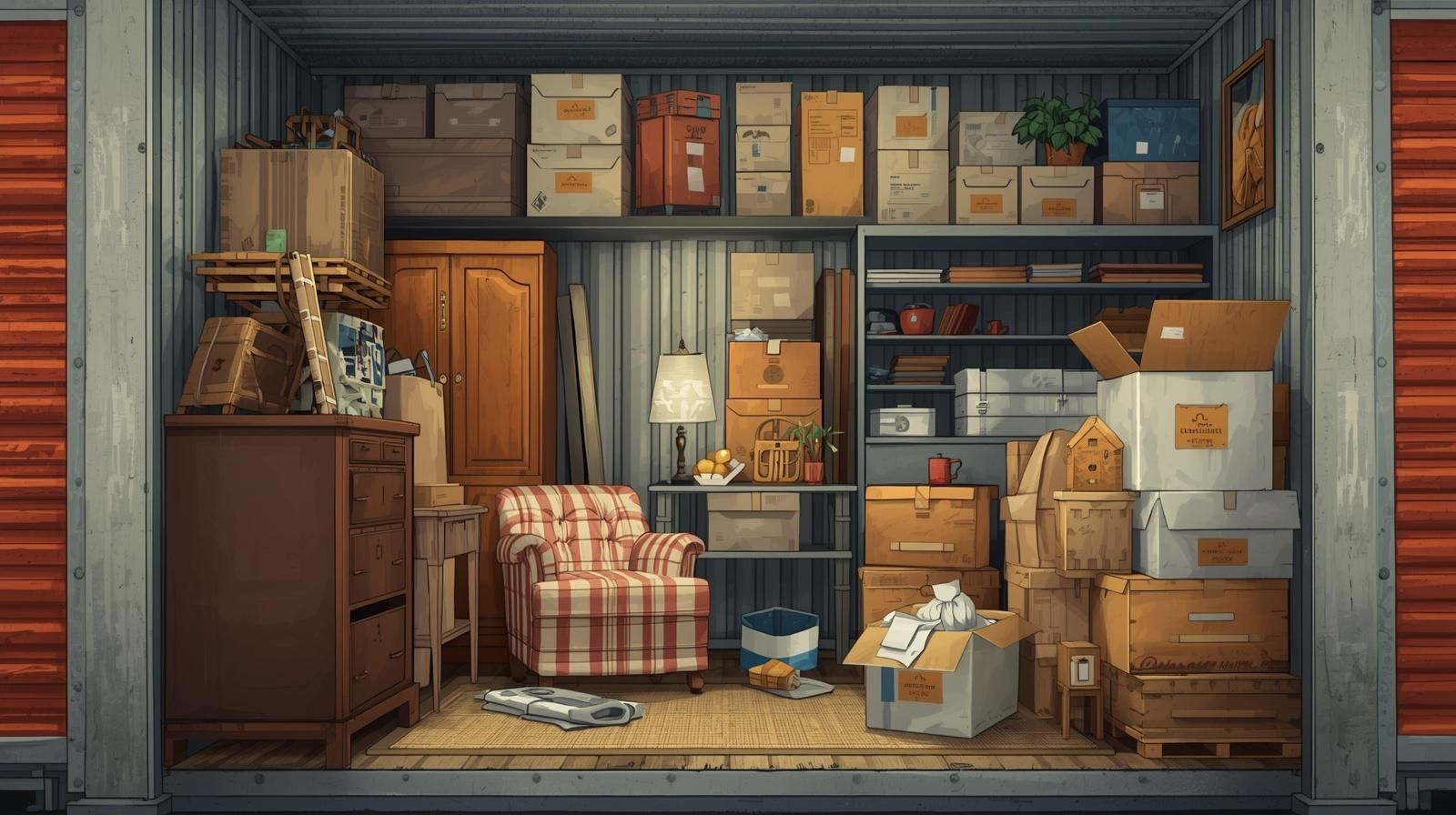
- Wooden furniture and antiques
- Electronics and appliances
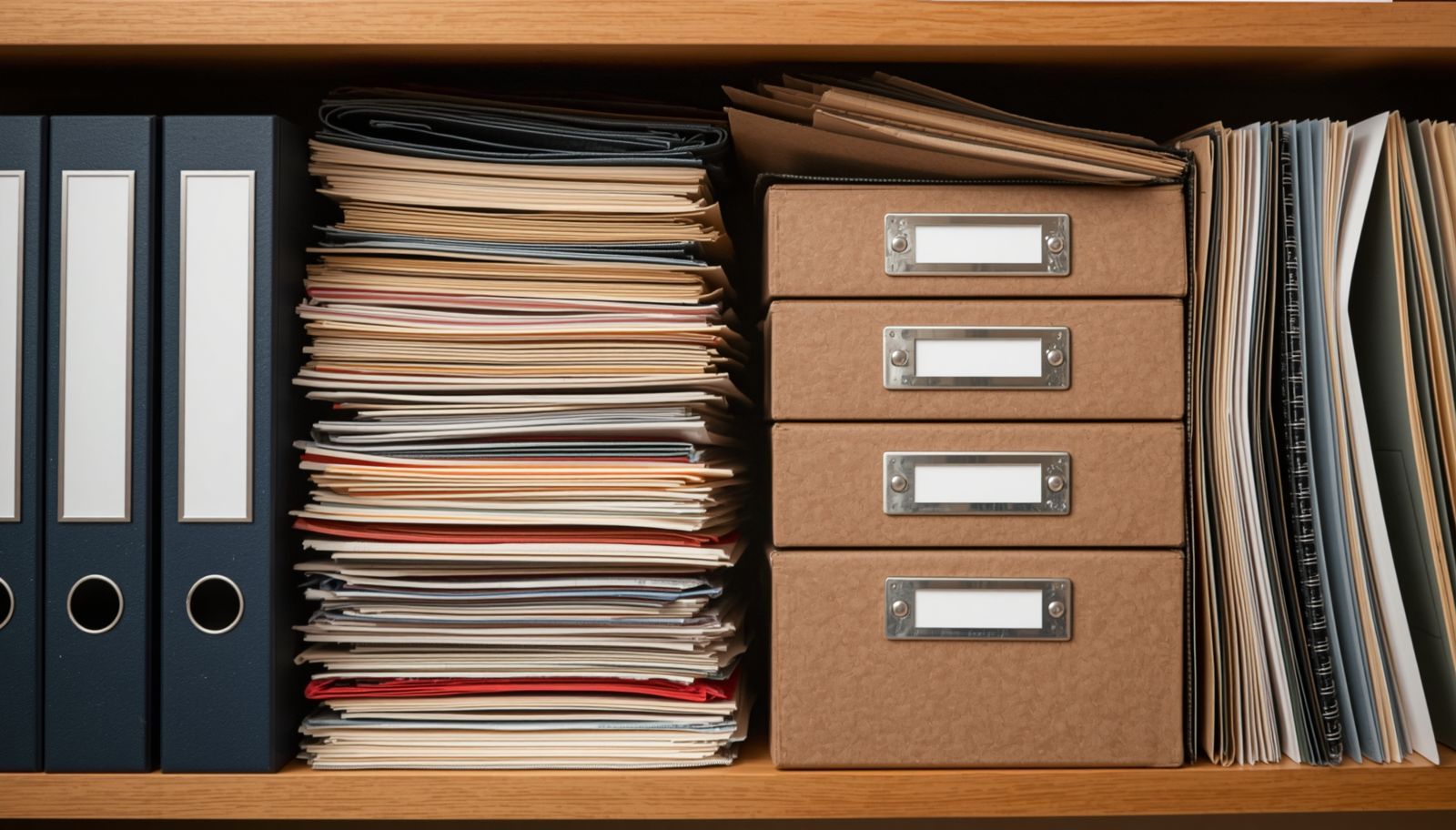
- Important documents and photographs
- Clothing and fabrics
- Musical instruments
Humidity and heat can cause mold, rust, and deterioration in these materials, especially during long-term storage.
Climate-Controlled Storage for Coastal and Eastern NC
In areas like Wilmington and the eastern part of the state, humidity levels are even higher due to proximity to the coast. This makes climate control even more important for long-term storage.
If you are near the coast, using options like climate-controlled storage in Wilmington can help protect your belongings from excess moisture and salt air, both of which can accelerate damage.
Climate-Controlled Storage for Seasonal Businesses
Businesses across North Carolina often rely on storage to manage inventory, especially seasonal businesses. Retail shops, event companies, and landscaping businesses frequently need extra space throughout the year.
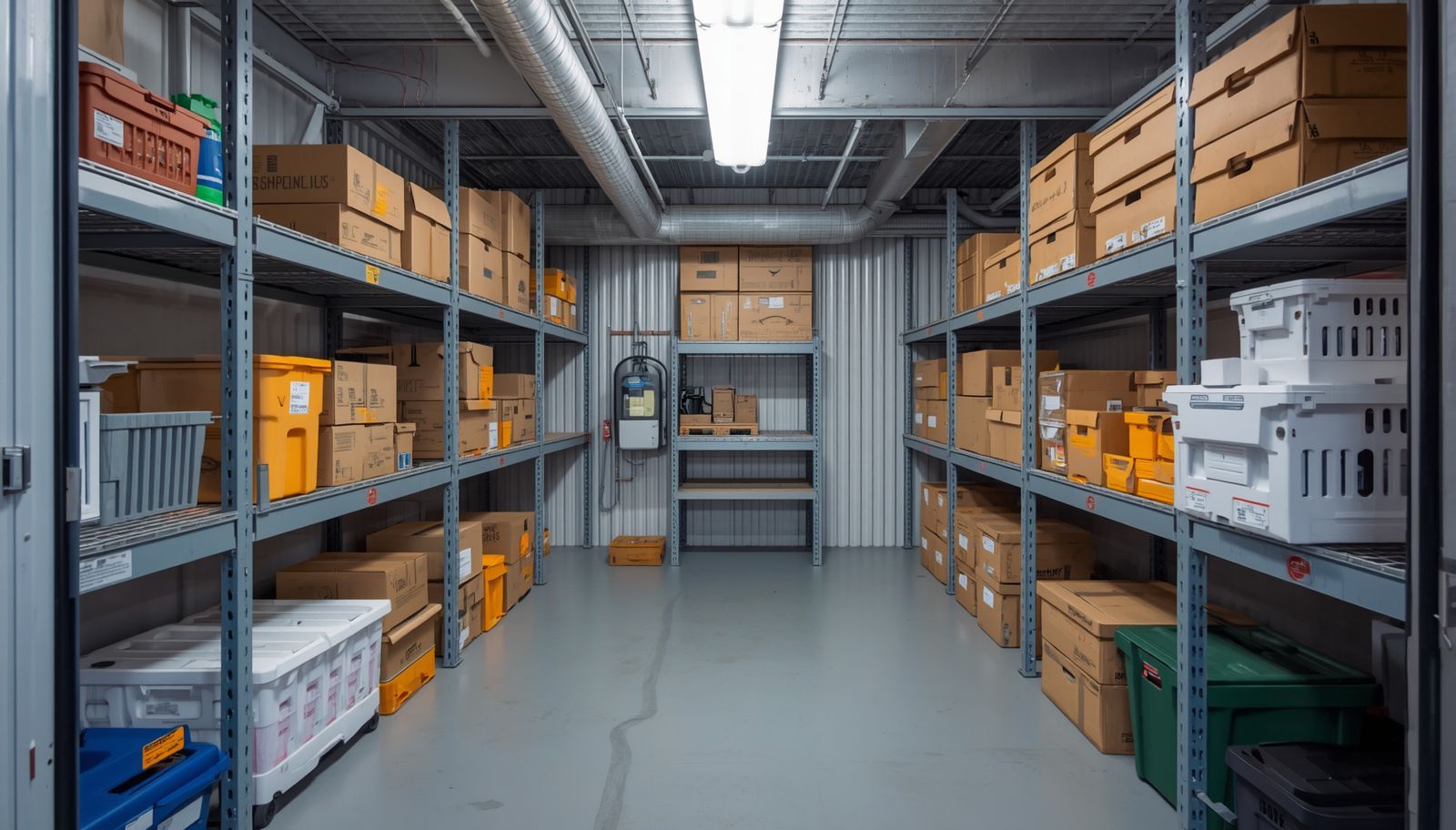
Using self-storage for seasonal businesses with climate control ensures that inventory stays in good condition between busy seasons. This is especially important for items like decorations, fabrics, equipment, and packaged goods that can be affected by humidity and temperature changes.
Climate-controlled storage helps reduce losses and keeps inventory ready for use when business picks back up.
How Climate-Controlled Storage Helps Prevent Damage
The biggest advantage of climate-controlled storage is protection. By keeping temperature and humidity levels stable, these units help prevent common types of damage.
This includes:
- Mold and mildew caused by excess moisture
- Warping and cracking in wood
- Rust and corrosion on metal items
- Fading or deterioration of fabrics and paper
Even small fluctuations in humidity can affect materials over time, which is why consistency is so important for long-term storage.
When Is Climate-Controlled Storage Worth It?
Climate-controlled storage is not always necessary, but it is worth considering in several situations.
If you are storing items for more than a few months, especially through summer, climate control is usually a smart choice. It is also recommended if your items are valuable, sentimental, or difficult to replace.
For short-term storage of durable items such as tools or outdoor equipment, a standard unit may be enough. But for anything sensitive, climate control provides extra peace of mind.
Cost vs Value: Is It Worth the Extra Price?
Climate-controlled units typically cost more than standard storage units, but the added protection can be worth it.
In North Carolina, the cost difference often comes down to the level of protection you need. If you are storing items that could be damaged by heat or humidity, replacing them would likely cost far more than the cost of storage.
For many people, the added cost is a small price to pay for protecting important belongings.
Tips for Choosing the Right Storage Facility
When selecting a climate-controlled storage facility, there are a few things to look for.
First, make sure the facility maintains consistent temperature and humidity levels. Indoor units are typically the best option for this.
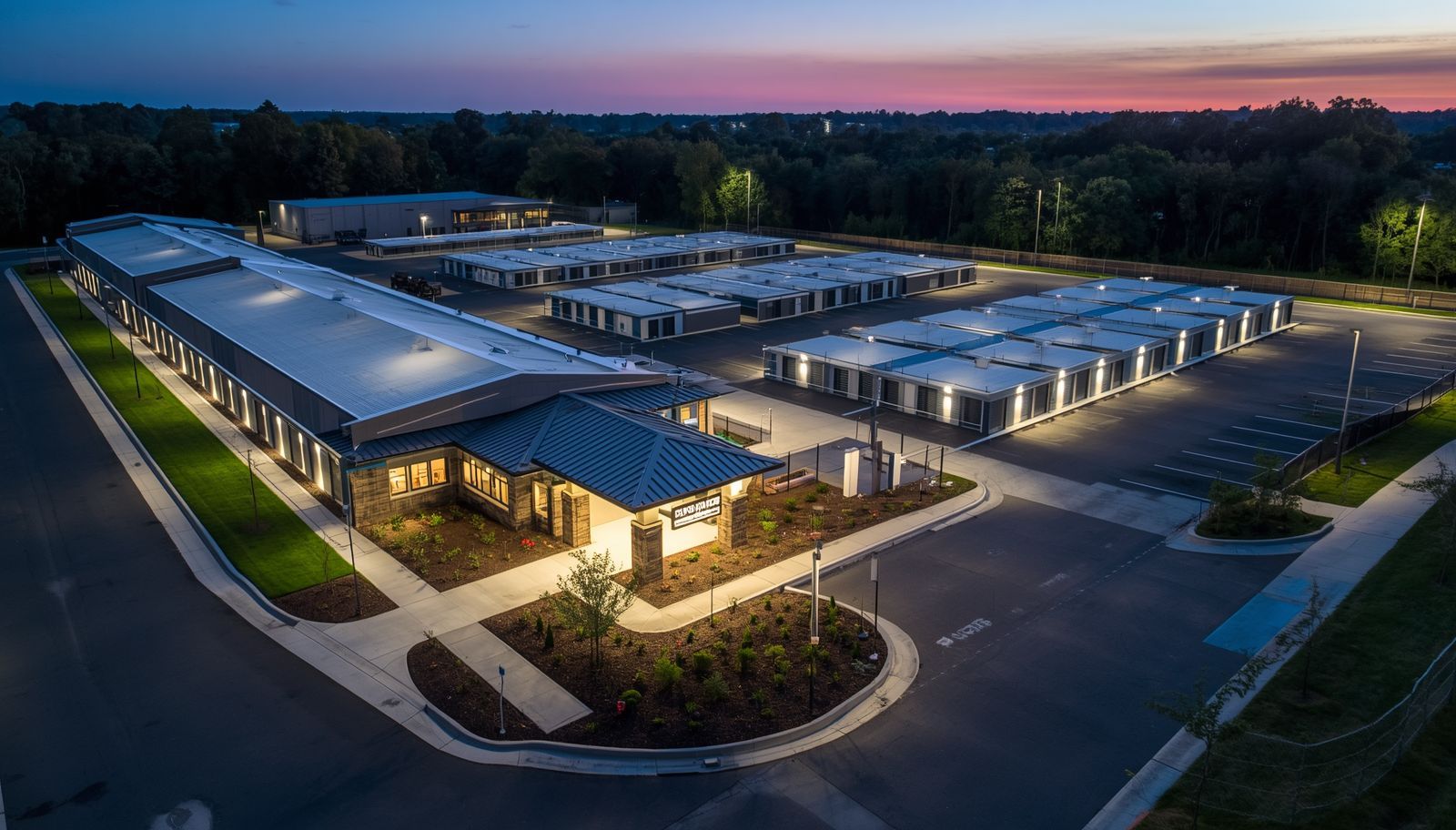
Security is also important. Look for features like gated access, surveillance cameras, and well-lit areas.
Finally, consider convenience. A facility that is easy to access and offers flexible leasing options can make your storage experience much smoother.
Local Storage Options in North Carolina
If you are looking for reliable storage solutions, North Carolina offers a wide range of facilities designed to meet different needs.
Options such as climate-controlled storage in Gastonia offer convenient access and secure environments for both short- and long-term storage needs.
For more information about traveling and living across the state, the Visit North Carolina official tourism website offers helpful regional insights and resources.
Final Thoughts on Climate-Controlled Storage in North Carolina
Climate-controlled storage is not just a premium feature in North Carolina. It is often a practical solution for protecting your belongings from the state’s heat, humidity, and seasonal changes.
Whether you are storing household items, business inventory, or valuables, having a stable environment can help prevent damage and give you peace of mind.