What Not to Store in a Storage Unit: A Guide to Prohibited and Unsuitable Items
Renting a storage unit can make moving, downsizing, renovating, or simply organizing your home much easier. Furniture, moving boxes, seasonal decorations, household goods, and business supplies can all take up valuable space at home. However, not everything belongs in self-storage. If you're considering storage units in Kernersville, NC, knowing what you can and cannot store before move-in can help you pack safely and avoid bringing prohibited items to the facility.
Storage restrictions exist for practical reasons. Certain belongings can create fire hazards, attract pests, spoil, leak, or pose risks to other stored property. Rules can vary by facility, so always review your rental agreement and ask the facility team about anything you're unsure of before moving it into your unit.
Hazardous and Flammable Materials
Hazardous and flammable materials are among the most important items to keep out of a storage unit.
Examples may include:
- Gasoline
- Kerosene
- Propane tanks
- Certain paints and solvents
- Lighter fluid
- Some cleaning chemicals
- Pesticides
- Fireworks
- Explosives
- Certain automotive fluids
The North Carolina Department of Environmental Quality identifies products such as paint, thinners, glues, cleaners, batteries, oil, pesticides, fertilizers, lighter fluid, and pool chemicals as household hazardous waste that require appropriate handling. If you have leftover chemicals or other hazardous household products, don't assume a storage unit is an appropriate place to keep them. Check local disposal or collection options instead.
Perishable Food
Food that can spoil should never be placed in a storage unit. Fresh produce, meat, dairy products, frozen food, opened packages, and other perishables can quickly create unpleasant odors and attract insects or rodents. Even food that appears properly packaged can become a problem if the container breaks or leaks.
If you need to store kitchen belongings during a move, clean appliances thoroughly and remove all food beforehand. Check refrigerators, freezers, cabinets, coolers, and moving boxes carefully so nothing edible is accidentally left behind. Individual facilities may also restrict shelf-stable items, so check your rental agreement rather than assuming packaged food is permitted.
Plants and Living Things
Storage units aren't designed to house plants, animals, or other living things. Plants require appropriate light, water, airflow, and environmental conditions. Leaving them in a storage unit can cause them to die and may introduce moisture, soil, or pests into the space.
Animals should never be kept in a storage unit under any circumstances. If you're moving and can't immediately bring plants into your new home, consider temporarily giving them to friends or family, or finding another suitable arrangement.
Firewood and Pest-Prone Materials
Firewood may seem harmless, but it can still create storage concerns because it can bring insects, dirt, and organic debris into an enclosed space. The North Carolina Department of Environmental Quality provides guidance on the proper handling and burning of natural vegetation and untreated wood, while also outlining materials that require different disposal methods.
For those reasons, firewood isn't something you should add to your household storage unit. The same general principle applies to other materials that may introduce pests, soil, moisture, or debris, so outdoor equipment should be thoroughly cleaned before being placed into storage.
Illegal or Stolen Property
Illegal items and stolen property should never be kept in a storage unit. A storage rental does not protect you from laws governing possession of illegal goods. Your rental agreement will also establish rules regarding prohibited property.
If you're unsure whether a particular item is permitted, ask the facility before moving it onto the property. Understanding these expectations is one part of learning how self storage works in North Carolina before signing a rental agreement. Reading the rules ahead of time can prevent confusion and help you understand your responsibilities as a renter.
Weapons and Ammunition
Policies surrounding firearms, ammunition, and other weapons can vary, and renters should never assume these items are allowed. A facility's rental agreement may specifically prohibit firearms, ammunition, explosives, or related materials.
If you own these items, follow all applicable laws and use an appropriate storage method designed for them rather than placing them in a self-storage unit without confirming the rules. Fireworks and explosives should also be kept out of storage units due to the obvious safety and fire risks they pose.
Wet or Damp Belongings
An item doesn't have to be dangerous to create problems inside a storage unit. Wet clothing, damp furniture, recently washed rugs, wet camping equipment, and other moisture-containing belongings can develop unpleasant odors, mold, or mildew if packed before they have dried completely.
Before storing outdoor gear, tents, patio furniture, or household items, clean and dry everything thoroughly. Pay particular attention to coolers, water equipment, garden tools, and anything that has recently been outside in wet weather. Taking a little extra time to dry belongings before move-in can help protect both the item itself and surrounding boxes or furniture.
Unregistered or Improperly Prepared Vehicles
Some storage facilities provide vehicle storage, but that doesn't mean any vehicle can be left on the property without preparation. Requirements may vary depending on the facility and the type of vehicle. Registration, insurance, operational condition, and other requirements may apply.
Vehicles can also contain fuels, oils, batteries, and other components that require consideration before long-term storage. If you're planning to store a car, motorcycle, trailer, or another vehicle, speak with the facility first and ask about its specific vehicle storage policies. Never assume that because a storage space is large enough for a vehicle, the vehicle is automatically permitted.
Extremely Valuable or Irreplaceable Items
Some belongings may technically fit in a storage unit but are still better kept somewhere else.
Items with significant financial or sentimental value deserve careful consideration. Examples might include:
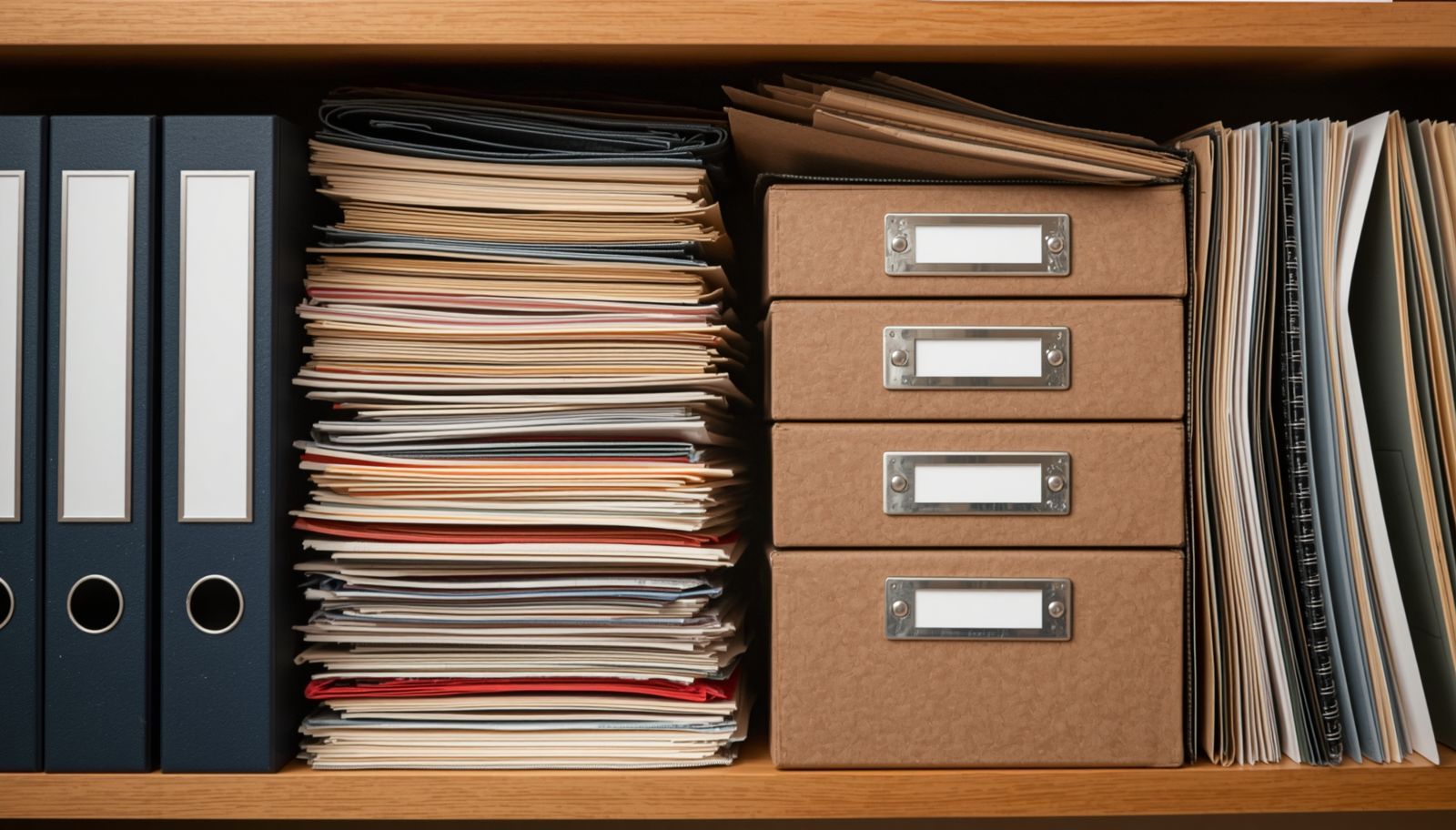
- Original legal documents
- Passports
- Irreplaceable family photographs
- Valuable jewelry
- Cash
- Rare collectibles
- Family heirlooms
Consider how difficult or impossible it would be to replace an item before deciding where to keep it. For particularly important documents, jewelry, or other valuables, a secure home safe, a safe-deposit arrangement, or another purpose-built solution may be more appropriate, depending on the item.
Don't Store Items You Need Constantly
A storage unit should make your life more convenient, not force you to make unnecessary trips every few days. Everyday medications, frequently used documents, work equipment needed daily, chargers, keys, and other essentials should generally remain somewhere easily accessible.
Before packing your unit, divide belongings into items you need regularly and items you can comfortably live without for weeks or months. Keep anything you expect to retrieve frequently near the front of the unit. This simple planning step can prevent you from moving stacks of boxes every time you need something.
Holiday Decorations Are Usually a Better Fit
While plenty of items shouldn't go into storage, seasonal belongings are often exactly the type of possessions people want to move out of their homes temporarily. Artificial trees, ornaments, wreaths, lights, gift-wrapping supplies, and other decorations can occupy closets and garages for most of the year.
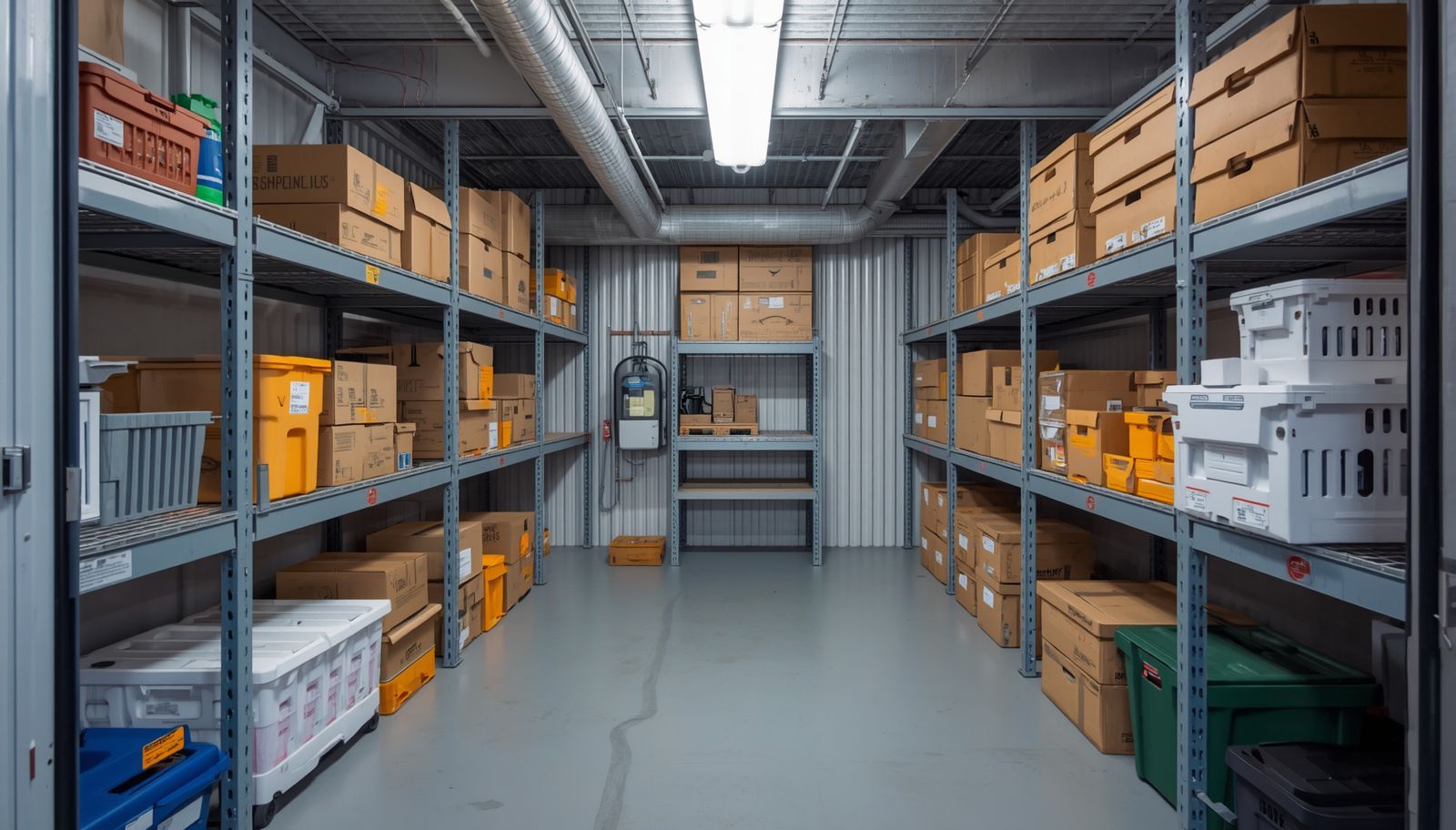
Following good holiday decoration storage practices can help keep these belongings organized and protected between seasons. Use sturdy containers, label decorations by holiday or room, and protect fragile ornaments individually. Keeping seasonal belongings together also makes decorating much easier when the holidays return.
Household and Business Items That May Work Well in Storage
Many ordinary belongings are well suited to self-storage when they're properly prepared.
Depending on facility policies and the type of unit, common stored items can include:
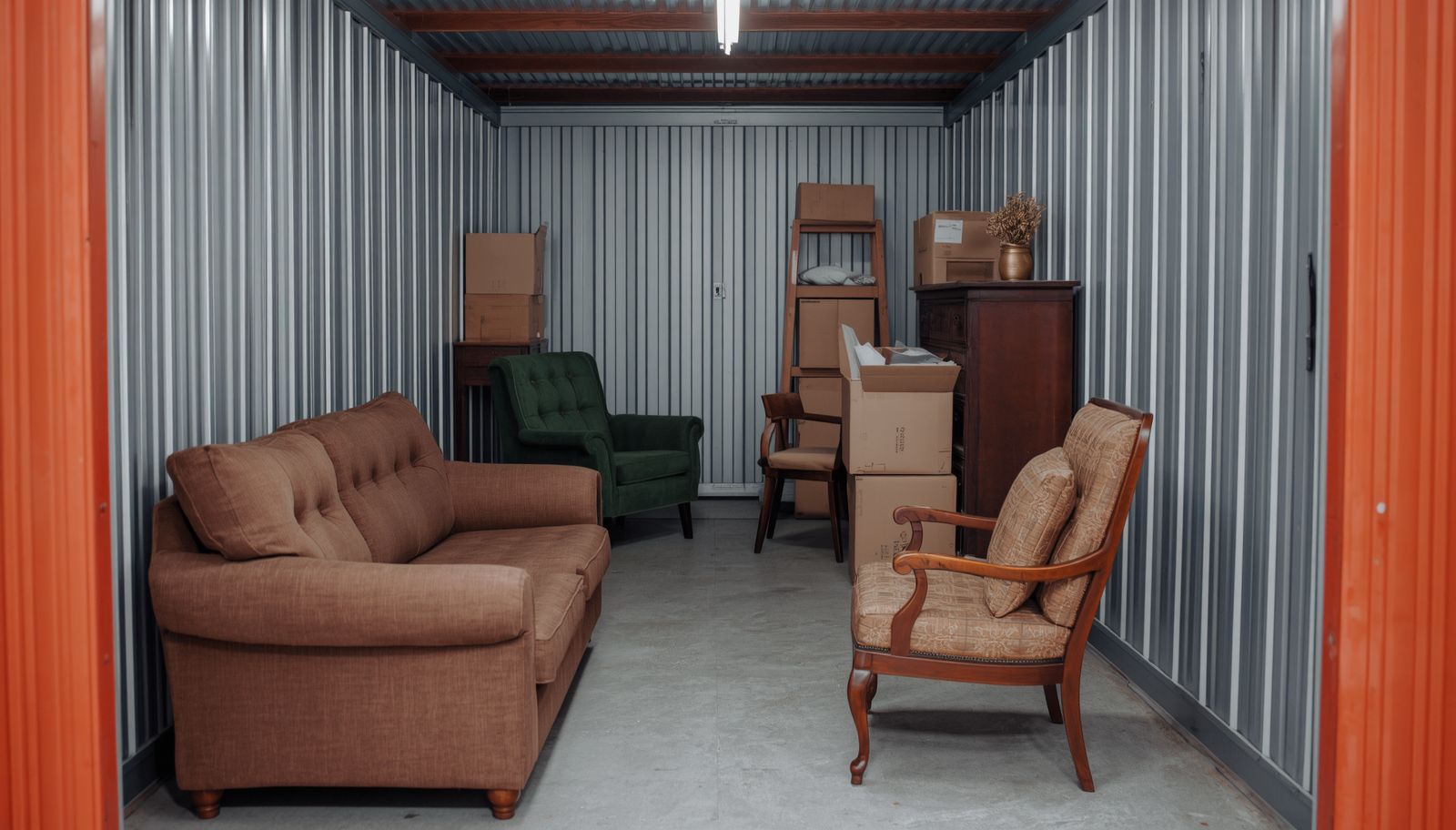
- Furniture
- Moving boxes
- Seasonal clothing
- Business supplies
- Office furniture
- Sporting equipment
- Household décor
- Books
- Tools
- Patio furniture
- Appliances
- Nonperishable household goods
For residents elsewhere in the state, self-storage in Gastonia, NC can similarly provide additional space during moves, renovations, downsizing projects, and other situations where belongings temporarily outgrow the available room at home. Regardless of location, check facility rules before storing anything unusual or potentially restricted.
Check the Rental Agreement Before Moving In
One of the easiest ways to avoid problems is to read your storage rental agreement carefully. The agreement should explain the facility's policies and renters' responsibilities. Don't rely solely on assumptions or on previous experiences with another storage facility, as rules can differ.
If an item isn't clearly addressed, ask. It's much easier to clarify whether something is permitted before loading a moving truck than to discover after arrival that you need to take it somewhere else. You should also ask about requirements for locks, access, vehicle storage, insurance or tenant protection, and other policies that may affect your rental.
Final Thoughts on What Not to Store in a Storage Unit
Knowing what not to store in a storage unit is just as important as knowing how to pack one efficiently. Hazardous materials, perishable food, plants, living things, firewood, illegal property, damp belongings, and other prohibited or unsuitable items should be kept out. When in doubt, check your rental agreement and speak with the facility before moving the item into storage.
For furniture, household goods, seasonal belongings, moving boxes, and other permitted property,
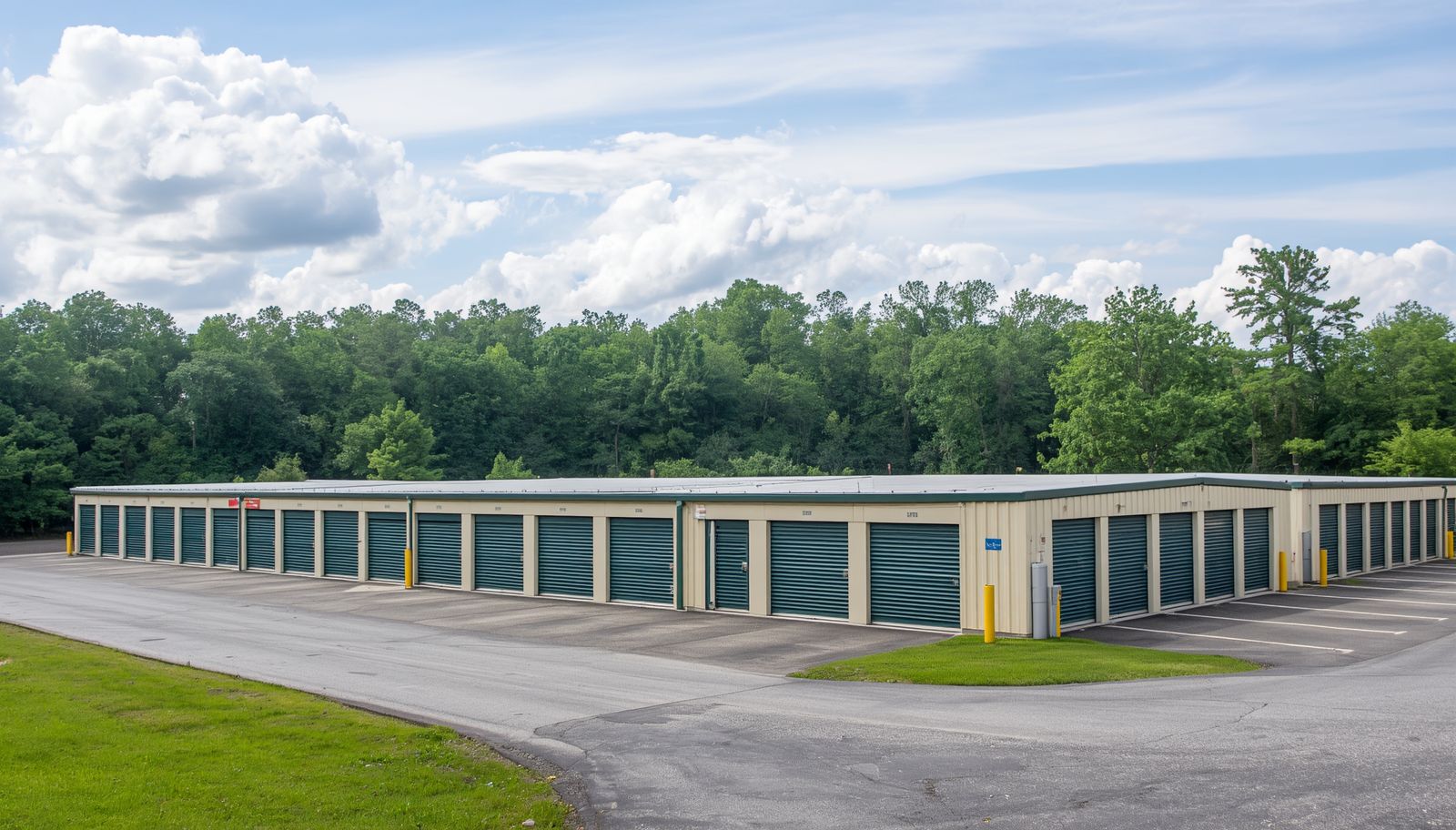
self-storage in Kernersville, NC can provide valuable additional space when your home, garage, or business begins to feel crowded. A little planning before move-in can help you create a safer, cleaner, and more organized storage experience.