How Long Can You Keep Items in a Storage Unit? Tips for Long-Term Storage
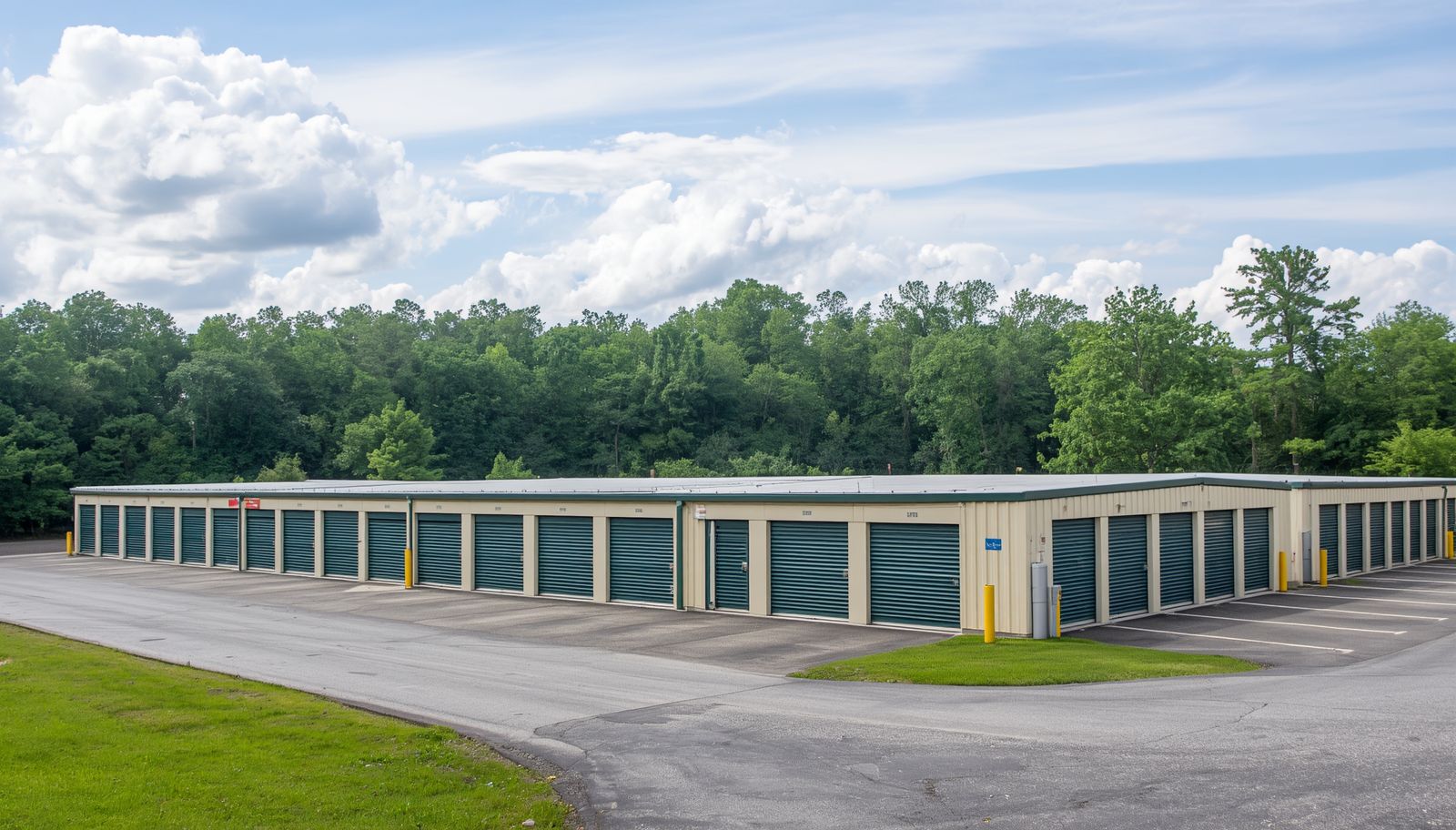
Whether you're moving, downsizing, renovating, or simply running out of room at home, a storage unit can provide the extra space you need. Some people rent storage for only a few weeks, while others keep belongings stored for months or even years. In most cases, permitted belongings can remain in storage as long as you continue renting the unit and follow the facility's policies. If you need self-storage in Macon, GA, preparing your belongings for the duration they'll be stored can make the entire experience easier.
The condition of your belongings after long-term storage depends on several factors. How items are cleaned, packed, organized, and protected can matter just as much as how long they remain in the unit. Planning is particularly important when you expect to use storage for a year or longer.
Is There a Time Limit on Storage Units?
Self-storage is designed to be flexible, allowing rental periods to vary considerably. Someone moving between homes might need storage for two months, while another renter may keep furniture, seasonal belongings, or business supplies stored for several years.
How long you can rent ultimately depends on your rental agreement and compliance with facility policies. Before moving in, review payment requirements, access hours, prohibited items, and any other important terms. If you expect to store belongings long term, organizing the unit for easy access from the beginning can save considerable time later.
What Can You Keep in Storage Long Term?
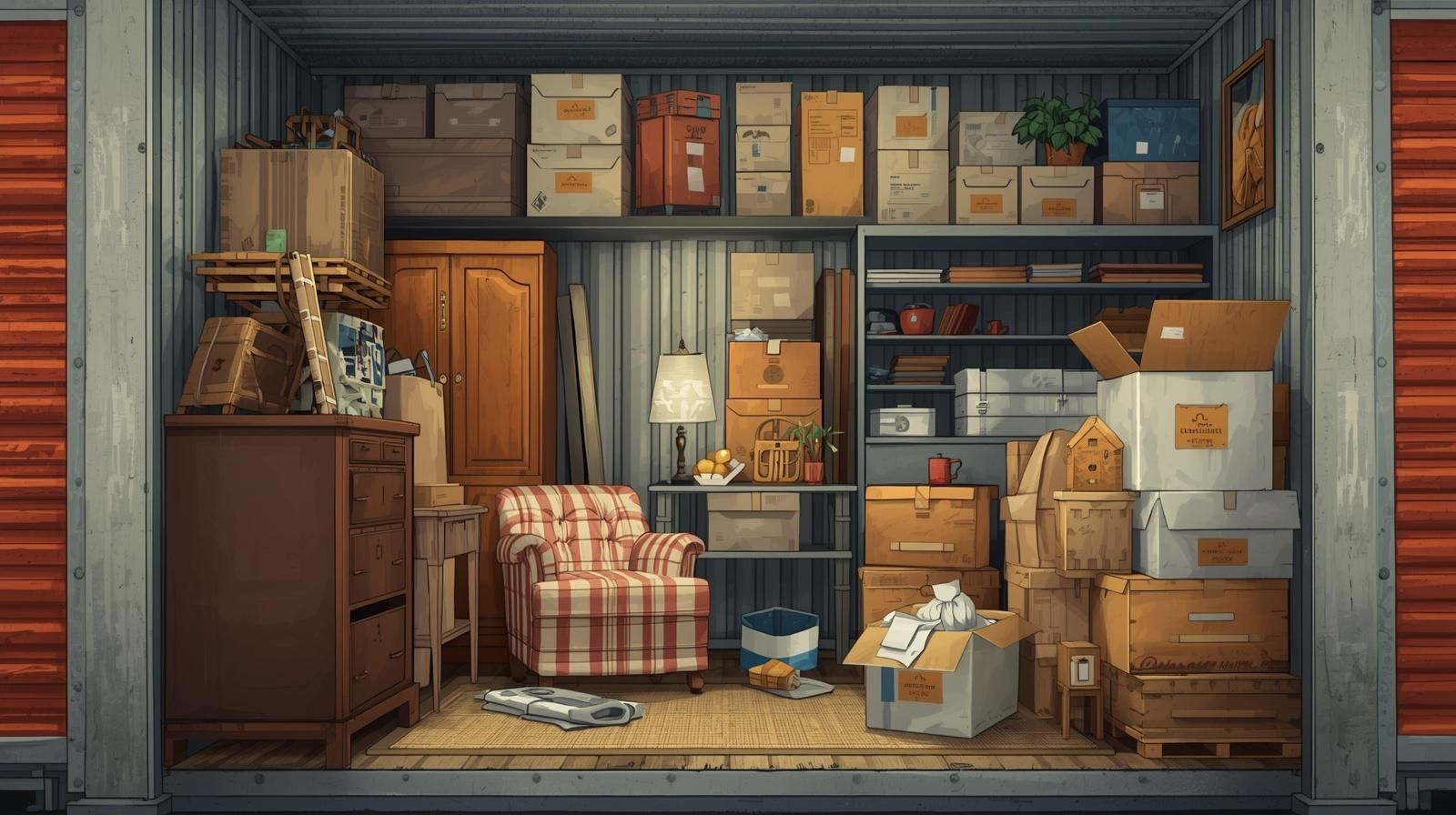
Many common household belongings can remain in storage for extended periods when they're properly prepared. Furniture, moving boxes, seasonal decorations, clothing, books, tools, household décor, office furniture, and sporting equipment are common examples.
Preparation becomes increasingly important the longer belongings remain stored. Furniture should be cleaned and covered, clothing should be washed and completely dry, and boxes should be strong enough to withstand stacking. Fragile or sensitive belongings may require additional protection depending on the materials they're made from.
Consider Macon's Climate
Local weather conditions are worth considering when preparing belongings for long-term storage. Macon experiences hot summers along with periods of humid weather, and the National Weather Service provides official weather and climate information for central Georgia.
Items such as wooden furniture, photographs, electronics, books, documents, artwork, leather goods, and certain fabrics can be more sensitive to environmental conditions than ordinary household items. Make sure everything is clean and completely dry before packing it, and avoid trapping moisture inside containers or coverings.
Prepare Furniture for Long-Term Storage
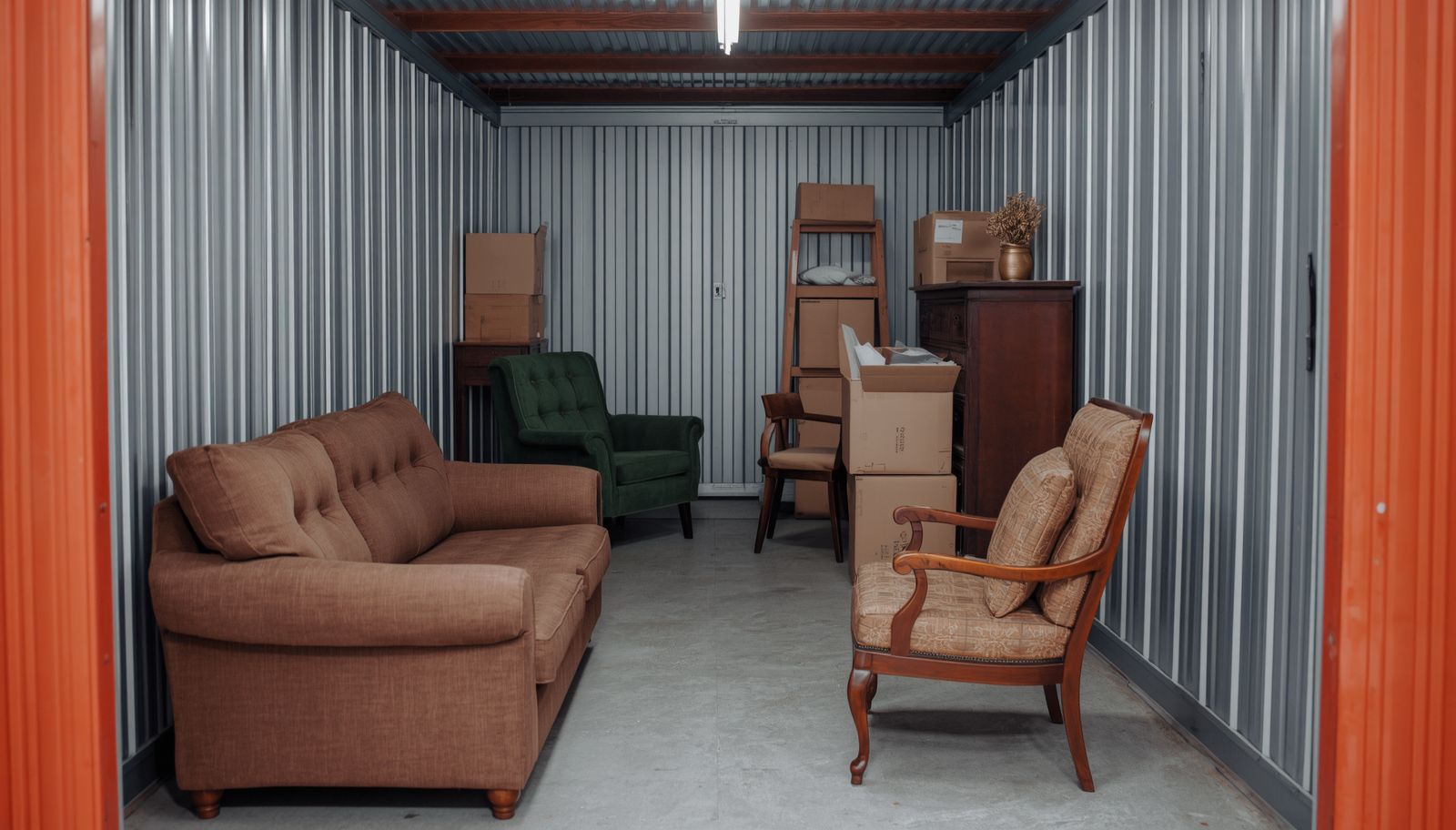
Furniture can remain stored for extended periods, but a little preparation can help preserve its condition. Clean each piece before move-in, vacuum upholstered furniture, and allow anything you've cleaned to dry completely before covering it.
Disassemble larger furniture when practical. Tables, bed frames, shelving, and other pieces may take up less space when certain components are removed. Keep screws, bolts, and hardware in clearly labeled bags, and protect furniture surfaces with suitable covers or moving blankets.
Pack Boxes for Extended Storage
Boxes that are fine for a short move may not hold up as well during years of stacking. Choose sturdy containers, avoid damaged cardboard, and don't make individual boxes so heavy that they're difficult to move.
Label containers on more than one side so you can identify their contents even when they're stacked. For longer rentals, consider creating a digital inventory and numbering your boxes. A simple list showing what is in each container can prevent a lengthy search when you need something months later.
Keep Seasonal Items Accessible
Long-term storage doesn't mean every belonging has to remain untouched. Many people keep a unit year-round while rotating seasonal clothing, holiday decorations, sports equipment, patio belongings, and recreational gear.
Keep anything you'll retrieve regularly near the entrance rather than burying it behind furniture. Grouping similar belongings into sections can also make seasonal visits much quicker. An organized layout allows you to use the same storage unit effectively throughout the year without constantly rearranging everything.
Can You Store a Vehicle Long Term?
Some storage facilities allow vehicle storage, but cars require more planning than ordinary household belongings. Requirements may apply regarding registration, insurance, vehicle condition, and preparation, so confirm the facility's policies before bringing a vehicle onto the property.
The amount of space you'll need depends on your vehicle's dimensions. If you're wondering what size storage unit you need for a car, measuring your vehicle and comparing those measurements with available storage options can help you narrow down the right fit. For extended storage, you should also follow the manufacturer's recommendations for preparing a vehicle that won't be driven regularly.
Visit Your Storage Unit Occasionally
Even if you don't need anything from your unit, occasional visits can be useful during long-term storage. Check that boxes remain stable, coverings are properly positioned, and your belongings haven't shifted.
These visits are also a good opportunity to reconsider what you're storing. If you discover furniture, clothing, or other belongings you no longer need, removing them can create additional room and keep the unit organized. Updating your inventory after each visit can also help you remember exactly what's still stored.
Avoid Storing Prohibited or Unsuitable Items
Keeping a storage unit for several years doesn't change the facility's rules about prohibited items. Hazardous materials, explosives, perishable foods, illegal property, and other potentially dangerous belongings may not be allowed, so always check your rental agreement.
Macon-Bibb County's Solid Waste Department provides information about local waste services and disposal resources. Checking appropriate disposal options while cleaning out your home can help you separate items that shouldn't go into storage before move-in. If you're uncertain whether something is permitted, ask the storage facility rather than assuming.
Use Storage During a Move to Macon
Long-term storage can be particularly useful when you're moving and aren't sure exactly how much space you'll have in your new home. Instead of making rushed decisions about furniture and household belongings, you can store some items temporarily while you get settled.
Once you've unpacked, exploring things to do in Macon, GA can help you become more familiar with local attractions, recreation, and entertainment. As you adjust to your new home and routine, you can gradually decide which stored belongings you want to bring home and which ones you may no longer need.
Long-Term Storage for Businesses
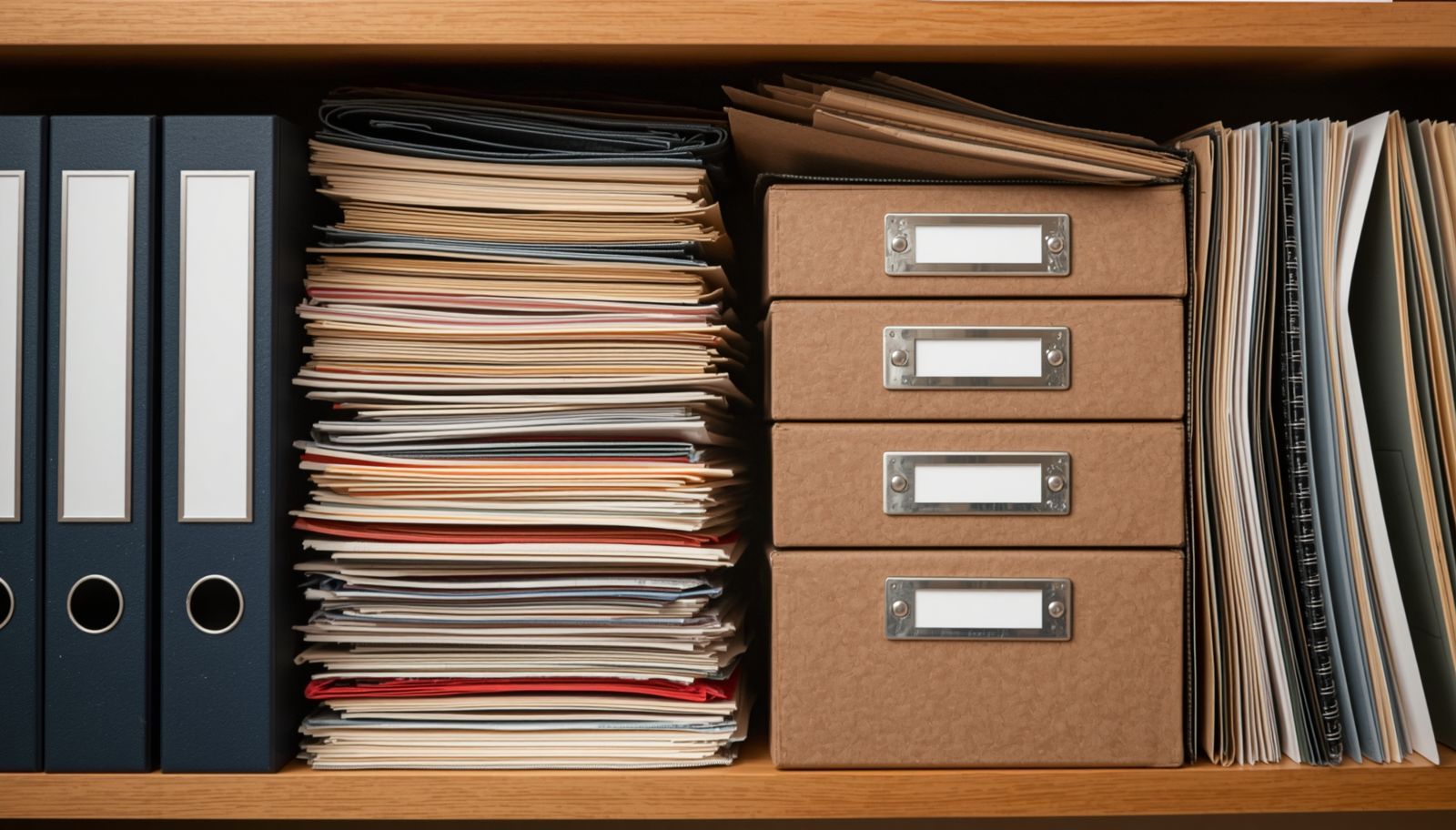
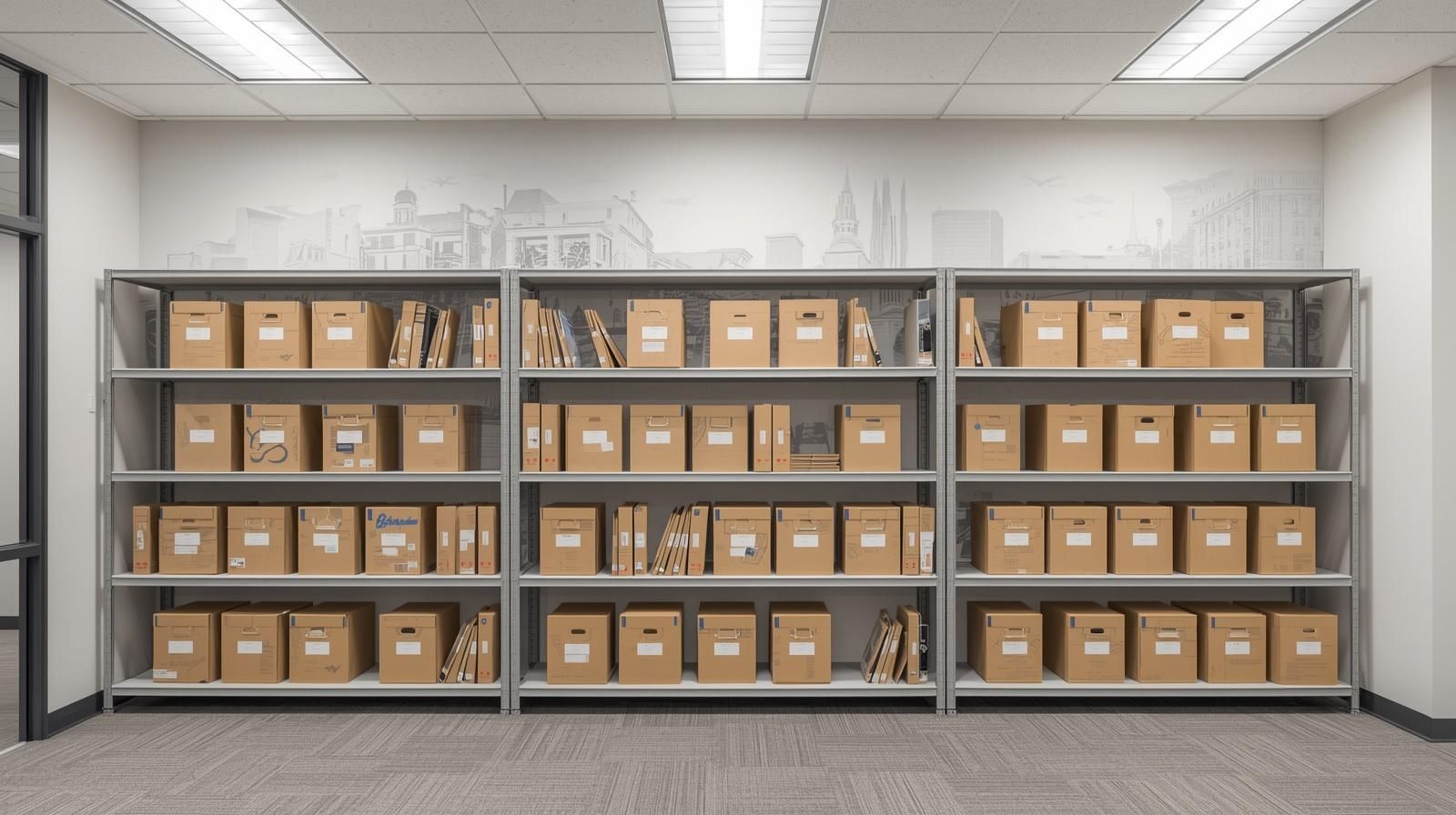
Businesses may use storage for inventory, archived records, office furniture, tools, equipment, marketing materials, and seasonal supplies. Keeping items that aren't needed daily elsewhere can help free up working space without requiring immediate expansion into a larger commercial property.
Organization is particularly important for business storage because employees may need to retrieve specific items quickly. Use consistent labels, maintain an inventory, and keep frequently needed materials near the front. Businesses storing records should also comply with any applicable legal, privacy, and document retention requirements.
Know When It's Time to Remove Something
Just because something can stay in storage for years doesn't always mean it should. Consider the value of each item, how likely you are to use it again, and whether continuing to store it makes financial sense.
Reviewing your unit once or twice a year can prevent long-term storage from becoming long-term clutter. Furniture you no longer want, outdated business inventory, old clothing, and forgotten household items may be better sold, donated, or disposed of appropriately. Removing unnecessary belongings can also help you determine whether you still need the same unit size.
Organize for Easy Long-Term Access
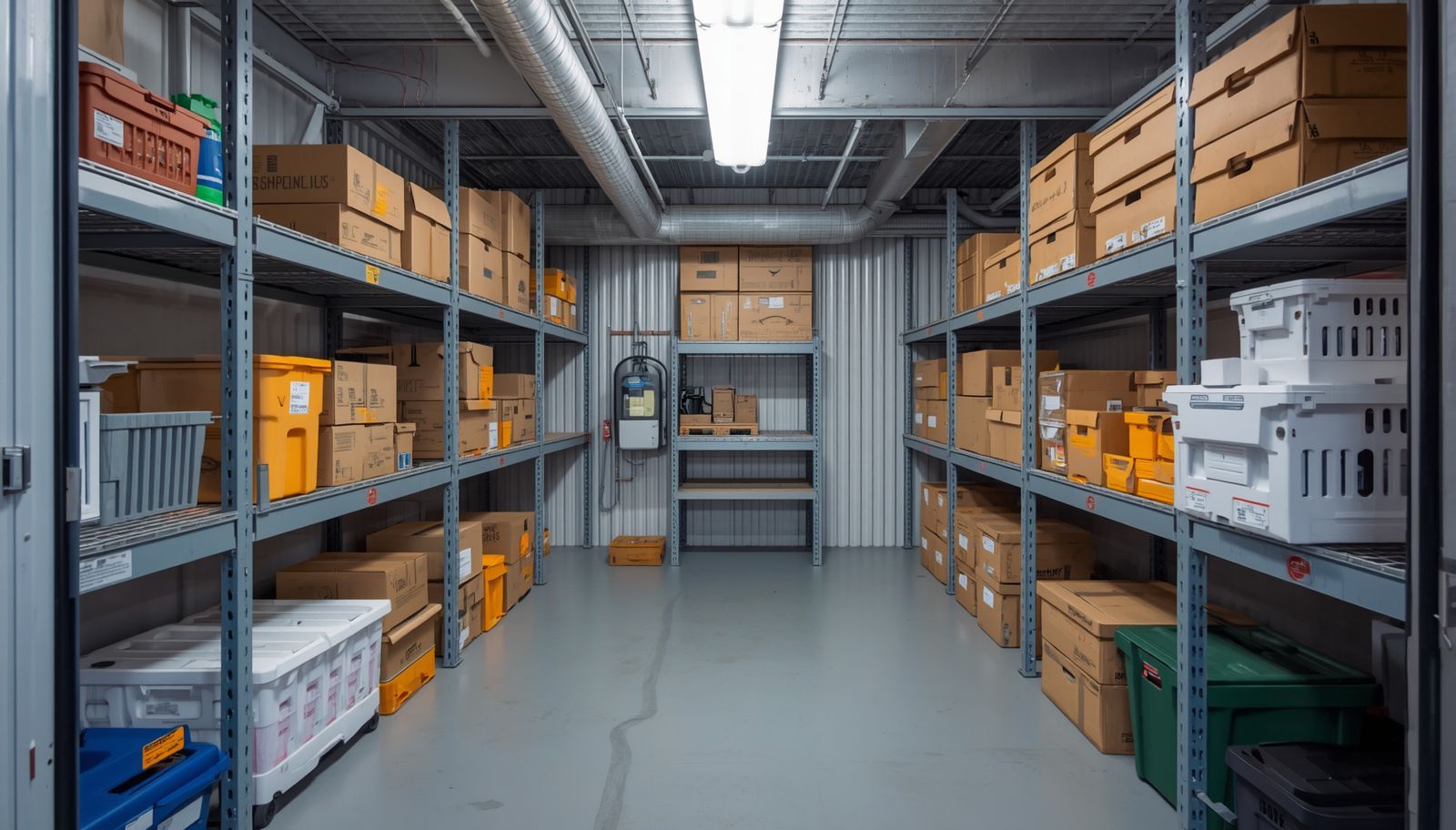
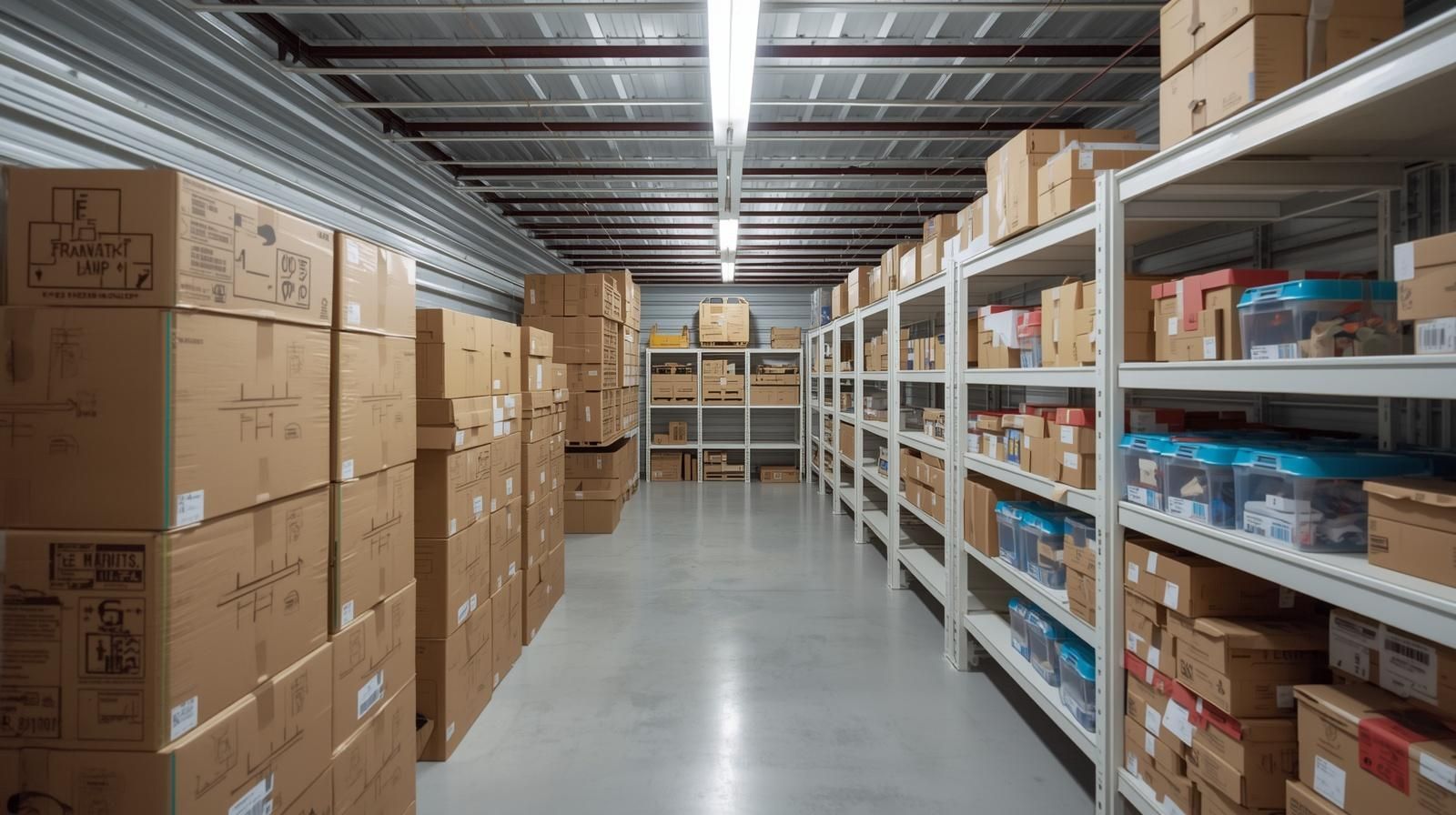
When packing a storage unit, don't focus solely on fitting as much inside as possible. Items you rarely use can go toward the back, while seasonal belongings and frequently used supplies should remain closer to the entrance.
Leave a walkway when space allows and keep box labels facing outward. Avoid unstable stacks simply to use every inch of vertical space. A little breathing room can make the unit considerably easier to navigate, especially when you'll be using it for several years.
Final Thoughts on Long-Term Storage
So, how long can you keep things in a storage unit? Depending on the rental agreement and facility policies, self-storage can accommodate anything from a short move to a long-term need lasting several years. Proper packing, sturdy containers, good organization, occasional visits, and regular decluttering can help make extended storage more practical.
Whether you're storing household furniture during a transition, keeping seasonal belongings out of the way, or creating additional space for business supplies,
Macon storage units can provide flexible space for belongings you don't currently need at home or at work. Preparing the unit for long-term use will make it easier to keep your belongings organized and accessible for as long as you need the additional space.