How to Store Furniture Safely: A Practical Guide to Protecting Your Belongings
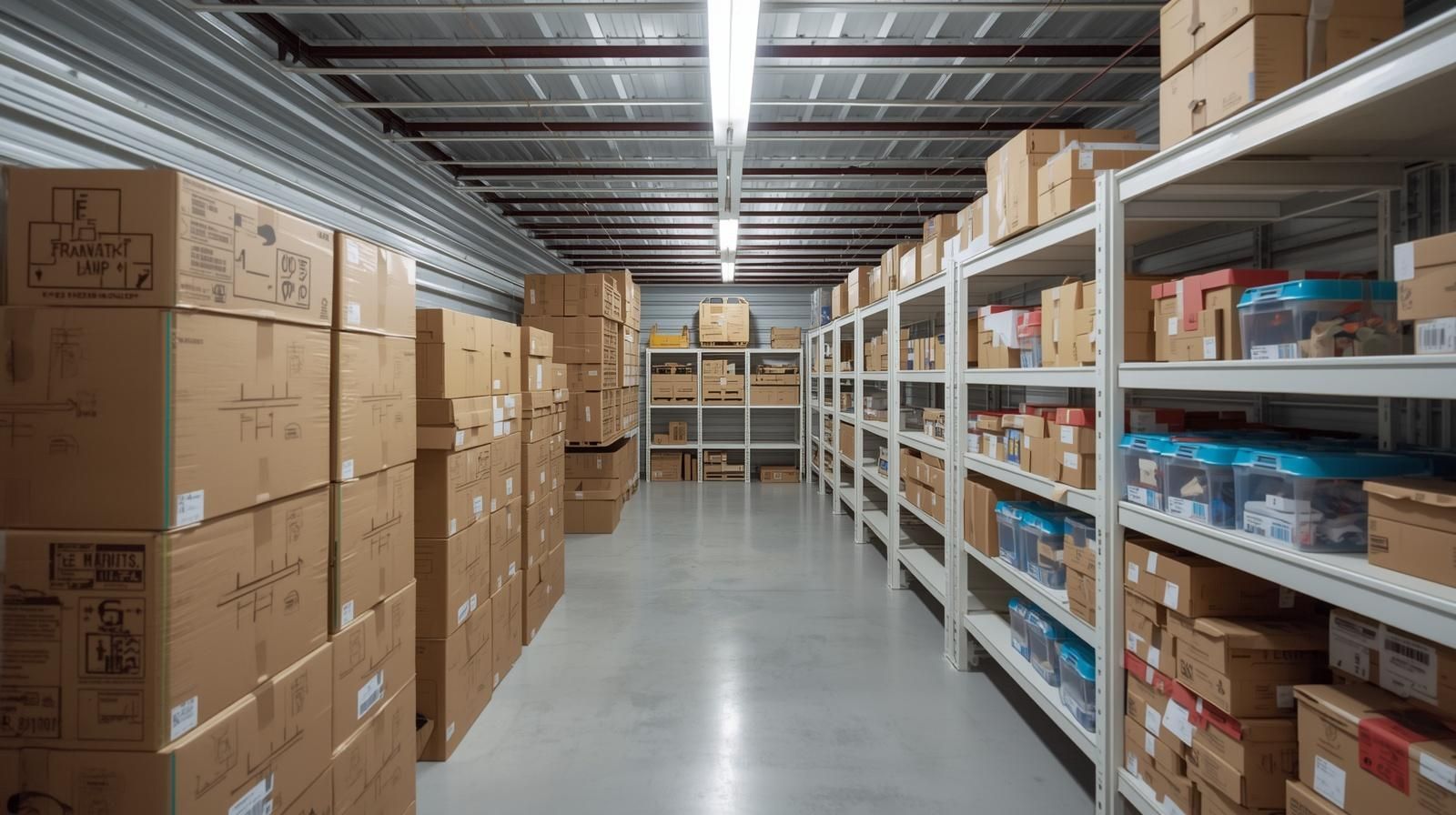
Furniture can represent a significant investment, whether you're storing a favorite sofa, an antique dresser, a dining room set, or an entire household during a move. Unfortunately, simply placing furniture inside a storage unit isn't enough to keep it in good condition. Dust, improper packing, trapped moisture, and careless stacking can cause scratches, stains, warping, or other damage over time. If you need extra space during a move, renovation, or home organization project, storage units in Dewey, AZ can provide a convenient place to keep furniture and other household belongings until you're ready to use them again.
The good news is that storing furniture safely doesn't require complicated preparation. Cleaning each piece, choosing appropriate coverings, organizing your storage unit carefully, and avoiding a few common mistakes can make a significant difference.
Prepare Your Furniture Before Storage
A little preparation before moving furniture into storage can help prevent problems later. Cleaning, drying, and disassembling furniture when appropriate will also make many pieces easier to transport and organize.
Clean Furniture Before Putting It in Storage
Furniture should always be clean and completely dry before it goes into storage. Dirt, food crumbs, oils, and other residue can become more difficult to remove after sitting for several months. Vacuum upholstered furniture thoroughly, paying particular attention to cushions, seams, and areas underneath removable pieces. Use cleaning products appropriate for the specific fabric, leather, wood, or other material you're preparing.
Wood furniture can be wiped clean with a suitable product, while glass surfaces should be cleaned before they're covered. Avoid putting anything into storage while it's damp. Moisture trapped underneath a furniture cover can contribute to odors, mildew, or deterioration.
Give freshly cleaned furniture enough time to dry completely before wrapping or moving it.
Disassemble Large Furniture When Possible
Taking furniture apart can make it easier to move while reducing the storage space it requires. Bed frames, dining tables, desks, shelving units, and some sofas can often be partially disassembled. Remove table legs, shelves, headboards, and other detachable components when practical.
Keep screws, bolts, brackets, and other hardware together in clearly labeled bags. You can tape the bag securely to the corresponding furniture piece or place all hardware in a labeled container that you'll be able to find easily later. Taking photos before disassembly can also help when it's time to put complicated furniture back together.
Protect Different Types of Furniture
Not every piece of furniture should be prepared in exactly the same way. Wood, upholstery, glass, and other materials can have different storage requirements.
Protect Wood Furniture Carefully
Wood furniture deserves additional attention because its surfaces can be scratched or damaged when pieces rub against one another.
After cleaning and drying wooden furniture, use moving blankets, furniture pads, or breathable covers to protect exposed surfaces. Pay special attention to corners, legs, decorative details, and finished surfaces.
Avoid placing adhesive tape directly onto finished wood. Over time, tape may leave residue or potentially affect the finish. Instead, secure protective material around the furniture itself. When arranging the storage unit, avoid placing heavy boxes directly on tables, dressers, or other pieces unless you're confident the furniture can support the weight.
Cover Upholstered Furniture
Sofas, chairs, ottomans, and other upholstered pieces should be covered to protect them from dust and accidental contact with surrounding belongings. Furniture covers or clean moving blankets are generally preferable to wrapping upholstered furniture tightly in plastic for long periods. A tightly sealed covering can potentially trap moisture if the furniture isn't completely dry.
Remove cushions when practical and store them carefully without placing heavy objects on top. Compressing cushions for extended periods may affect their shape. You should also avoid using upholstered furniture as a shelf for boxes. The weight can create impressions in cushions or put unnecessary pressure on the frame.
Protect Glass and Fragile Components
Glass tabletops, mirrors, cabinet doors, and other fragile furniture components require extra protection. Whenever possible, remove detachable glass and wrap it separately using appropriate protective materials. Moving blankets, packing paper, bubble cushioning, and sturdy boxes can provide additional protection depending on the item.
Clearly label containers holding fragile components so they're not accidentally placed beneath heavier belongings. Mirrors and large pieces of glass are generally better stored upright with adequate support rather than laid flat underneath other items. Make sure they cannot slide, tip, or come into contact with sharp objects.
Consider Dewey's Climate When Storing Furniture
Local conditions are worth considering when preparing belongings for storage. According to the Town of Dewey-Humboldt, the community is located in Northern Arizona's high desert and experiences a four-season climate, including occasional winter snowfall.
Changes in temperature and environmental conditions can affect certain furniture materials over time. Wood, leather, fabrics, and other sensitive materials deserve careful preparation, particularly when they'll remain stored for an extended period.
Make sure furniture is completely clean and dry before storage, use appropriate coverings, and consider the specific material when deciding how much protection each piece needs.
Keep Furniture Off the Floor When Practical
Creating a small barrier between furniture and the storage unit floor can provide an additional layer of protection. Depending on the item, pallets or another sturdy raised surface may be useful. Make sure whatever you use is stable, clean, and capable of supporting the furniture safely.
You don't need to elevate every small item. Focus primarily on larger pieces and belongings that could benefit from separation from the floor.
When moving furniture onto a raised surface, check that everything sits securely and cannot shift or tip when other belongings are moved nearby.
Furniture Storage Can Make Moving Easier
Furniture storage is particularly useful when you're relocating. Closing dates and lease schedules don't always line up, and your new home may not be ready for every piece of furniture immediately. If you're moving to Dewey, AZ, temporary storage can give you additional time to settle into your new home and decide where larger pieces belong.
This can also help when downsizing. Instead of making immediate decisions about sentimental or valuable furniture during a busy move, you can store those pieces temporarily and revisit them once you're settled. Storage can be equally helpful during renovations because it keeps furniture away from construction dust, paint, tools, and busy work areas.
Don't Store Hazardous Materials With Your Furniture
When you're storing household belongings, be careful about what goes into the unit alongside your furniture. Fuels, certain chemicals, and other hazardous materials require proper handling and shouldn't simply be packed among household goods.
Yavapai County provides guidance on household hazardous products, including paints, solvents, gasoline, cleaning products, and other materials that require careful use and disposal. Always review your storage facility's prohibited-items policy before move-in. If you're unsure whether something can be stored, ask before bringing it to the property.
Plan for Other Large Belongings
Furniture isn't always the only large item competing for space at home. Residents with recreational vehicles, boats, trailers, or additional vehicles may also need to think about where those belongings will go. Using dedicated RV & boat storage in Dewey, AZ can help free up space at home while keeping larger recreational belongings in a designated storage area.
Separating household storage from vehicle or recreational storage can also make organization easier. Furniture, moving boxes, and household goods can remain together while larger vehicles and equipment have their own appropriate space.
Common Furniture Storage Mistakes to Avoid
Many furniture storage problems are preventable with a little preparation.
Storing Furniture Before It's Dry
One common mistake is storing furniture before it has dried completely after cleaning. Even if a piece feels mostly dry, remaining moisture can become trapped underneath coverings. Allow enough drying time before wrapping and moving each piece into storage.
Putting Heavy Boxes on Furniture
Avoid placing heavy boxes on sofas, chairs, or fragile tabletops simply because there's unused space above them. Excess weight can put unnecessary pressure on furniture and potentially cause impressions or damage.
Forgetting About Hardware
Failing to label disassembled hardware can turn reassembly into a frustrating process. Keep screws, bolts, and other small components organized and clearly marked so you know exactly which piece they belong to.
Packing the Unit Too Tightly
Leaving delicate surfaces uncovered, stacking furniture in unstable arrangements, and packing the unit so tightly that belongings become difficult to retrieve can all increase the likelihood of accidental damage.
It's also worth inspecting furniture before storage. Existing damage, loose joints, or weakened components can become worse if the piece is moved or stacked carelessly. Taking an extra hour to prepare everything properly can save considerable frustration when you're ready to use your furniture again.
Check Your Furniture Before Bringing It Home
When it's time to remove furniture from storage, inspect each piece before bringing it into your home. Remove protective coverings carefully and check for dust, odors, or signs that the furniture needs cleaning. Reassemble the pieces using the hardware you labeled during move-in, and clean the surfaces before placing the furniture back into regular use.
For upholstered furniture, vacuuming again after storage can help remove any dust that accumulated during moving or handling. Taking your time during move-out is just as important as preparing furniture before storage. Rushing can lead to scratches or other damage during the final stage of the process.
Final Thoughts on Storing Furniture Safely
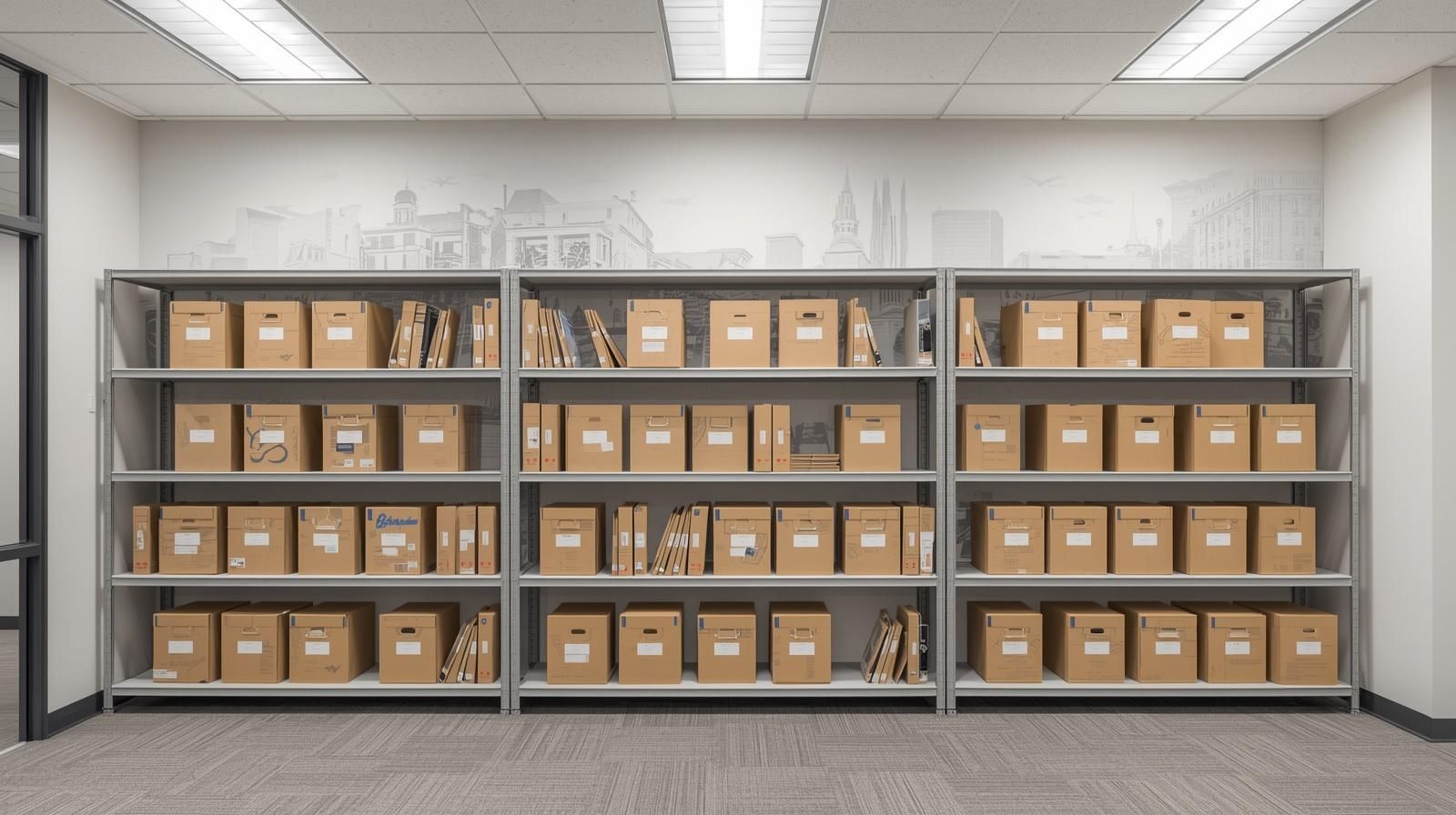
Knowing how to store furniture safely can help protect everything from everyday sofas and dining tables to valuable antiques and sentimental pieces. Start by cleaning and drying furniture thoroughly, disassemble large pieces when practical, use appropriate protective coverings, and organize your storage space so furniture isn't crushed or difficult to reach.
Whether you're renovating, downsizing, relocating, or simply trying to create more room at home,
self-storage in Dewey, AZ can provide additional space for furniture and household belongings until you're ready to use them again. With careful preparation and thoughtful organization, your furniture can remain protected throughout its time in storage.