Choosing the Right Storage Unit Size in Lexington, NC: A Simple Guide for Renters
Choosing the right storage unit size can save you money, reduce stress, and make moving or organizing much easier. Renting a unit that is too small can leave you struggling to fit everything inside, while paying for more space than you need can quickly increase monthly costs.
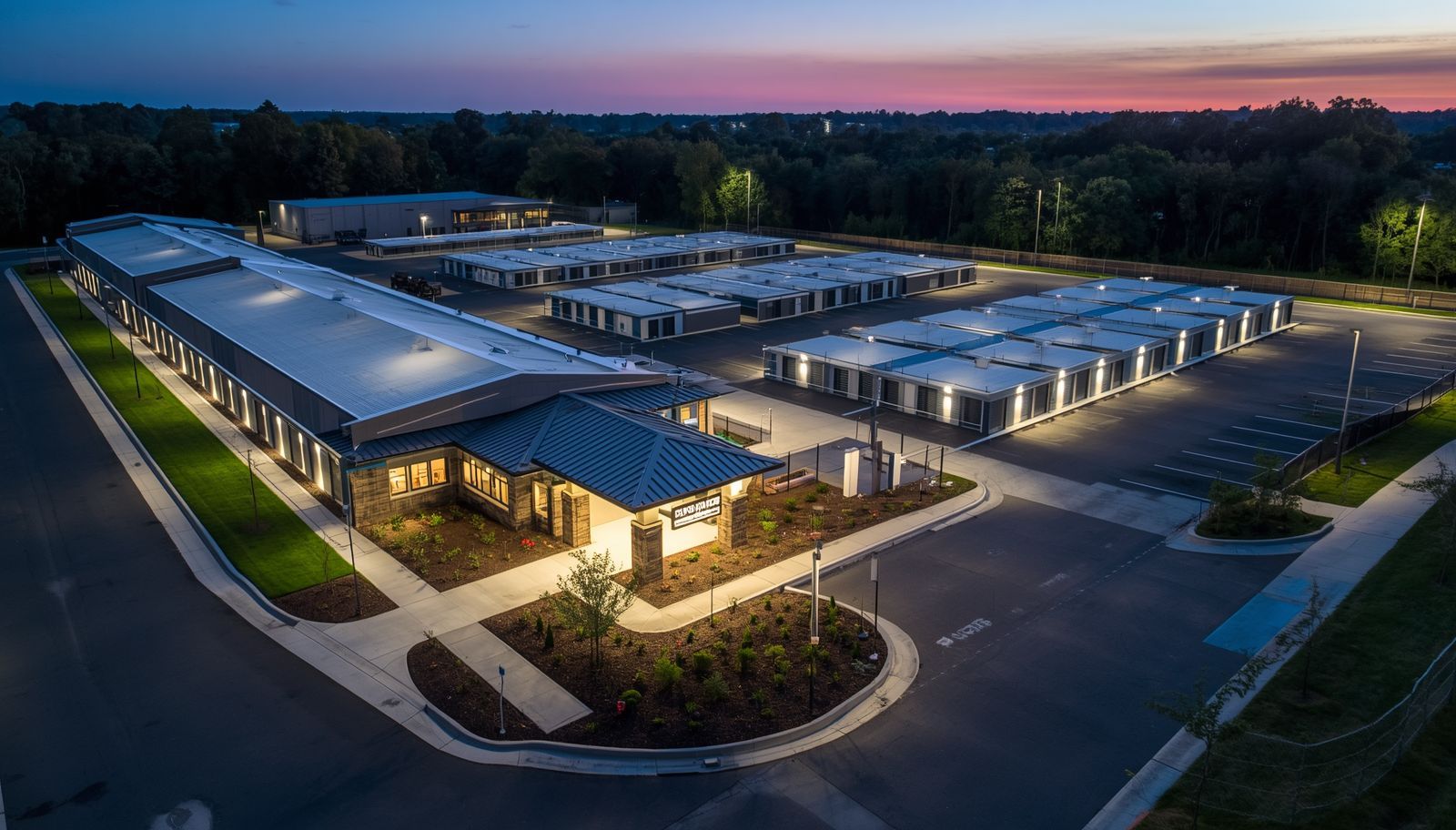
Whether you are moving, downsizing, renovating, or simply trying to create extra room at home, many local residents rely on self-storage in Lexington, NC for flexible and convenient storage solutions.
Why Choosing the Right Storage Unit Size Is Important
One of the biggest mistakes renters make is guessing how much storage space they need without planning ahead. Storage unit sizes can vary significantly, and the right fit depends on the number of items, furniture size, and how long you plan to store everything.
Choosing the correct size helps avoid overpaying for unused space while keeping belongings organized and accessible. It can also help prevent damage caused by overcrowding and make loading and unloading much easier.
Storage often simplifies major life transitions such as moving, remodeling, decluttering, or combining households.
Many residents researching best neighborhoods in Lexington, NC use temporary storage while relocating between homes or downsizing within the area.
Understanding Common Storage Unit Sizes
Storage facilities typically offer several standard unit sizes designed for different needs.
5x5 Storage Units
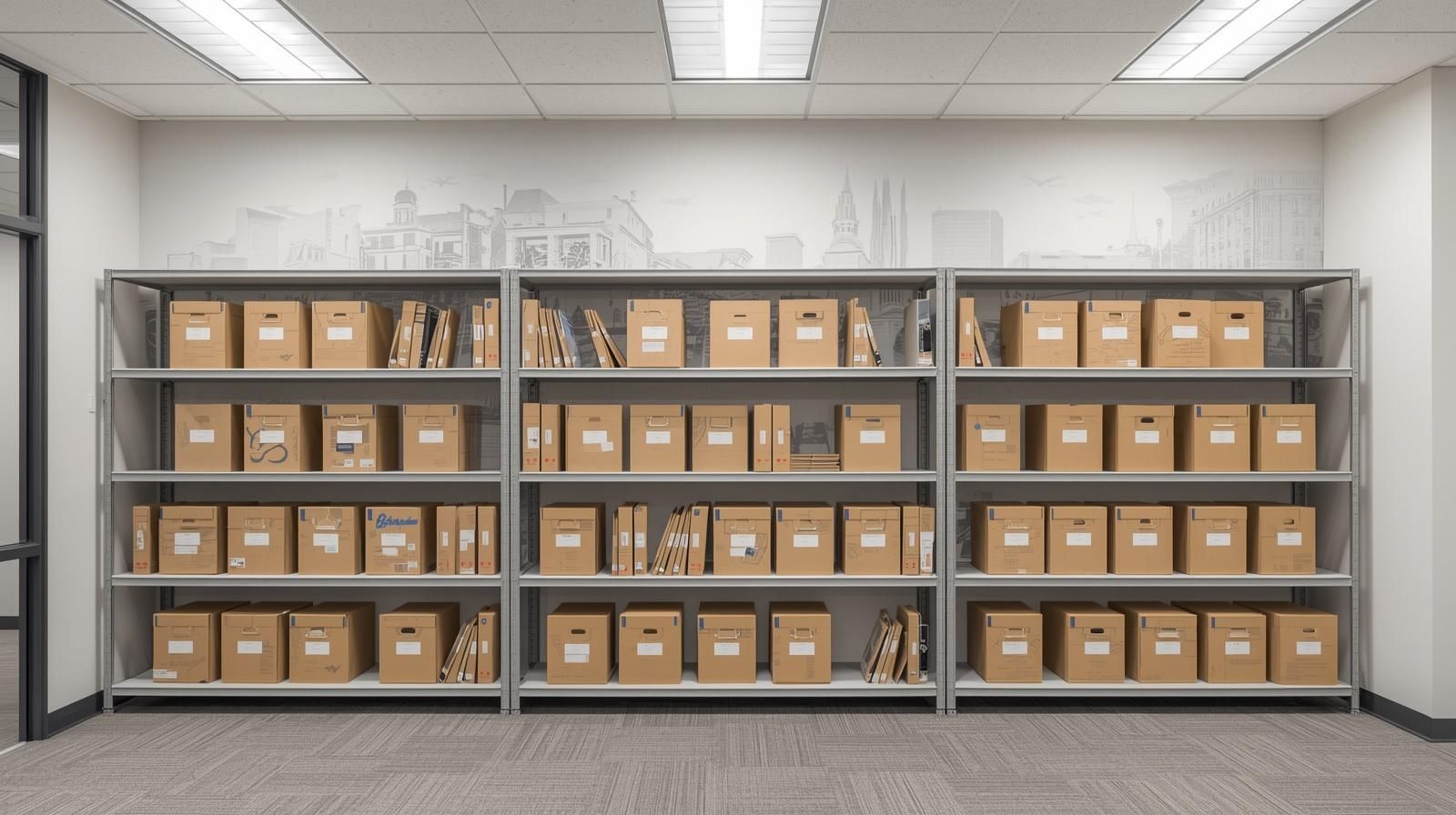
A 5x5 unit is about the size of a small closet. These units work well for seasonal decorations, boxes, small furniture, sports equipment, and business files.
This size is often ideal for apartment residents or people storing a few extra household items.
5x10 Storage Units
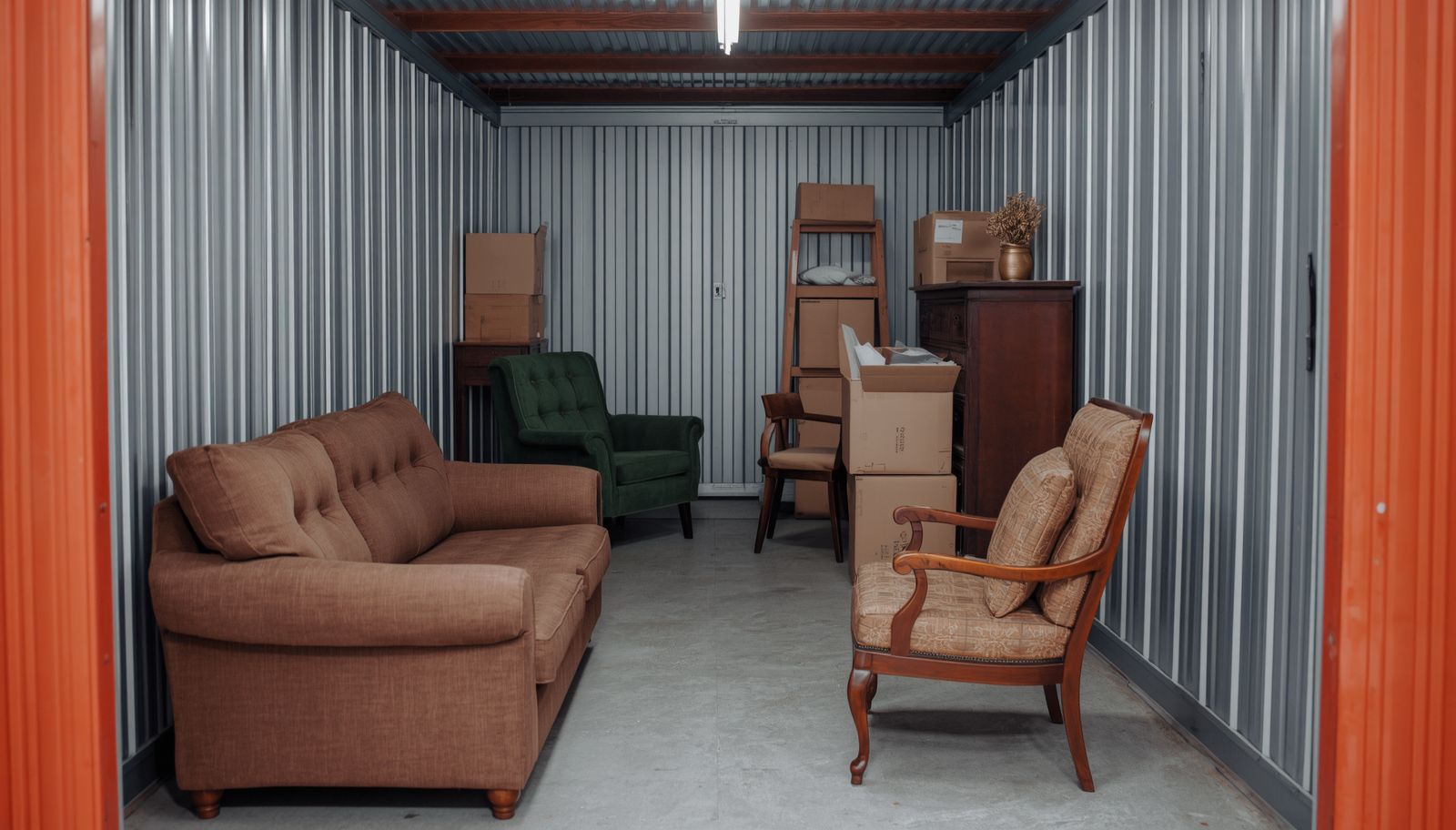
A 5x10 unit provides enough space for the contents of a small bedroom or studio apartment.
These units commonly fit mattresses, dressers, small couches, bicycles, and multiple boxes. Many people use this size during short-term moves or home organization projects.
10x10 Storage Units
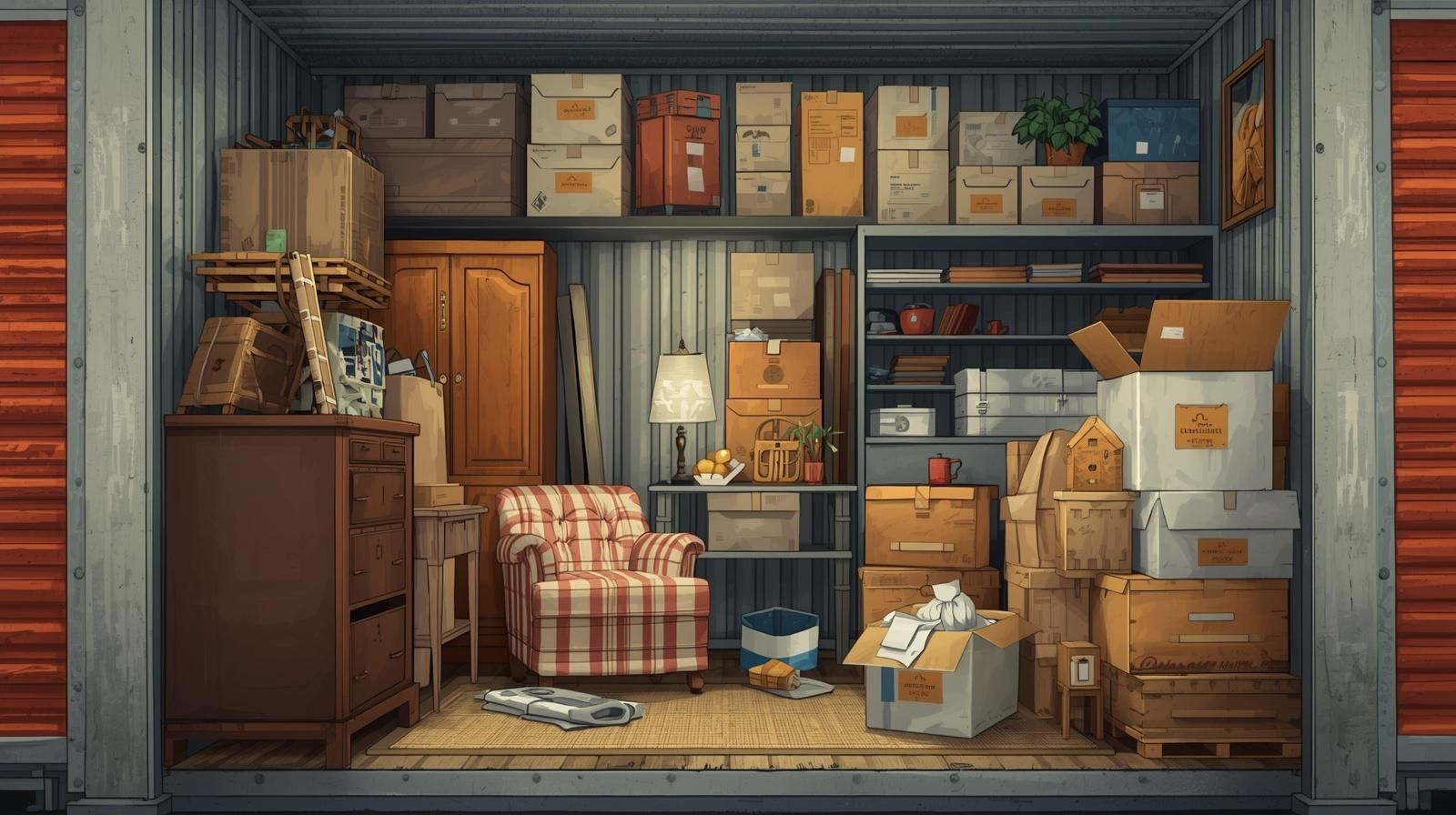
A 10x10 unit is one of the most popular options because it can usually hold the contents of a one- or two-bedroom apartment.
This size often works well for appliances, living room furniture, dining tables, mattresses, and larger moving projects.
Families undergoing renovations or temporary relocations frequently choose this size because it offers flexibility without becoming too expensive.
10x20 Storage Units
A 10x20 unit is large enough for multi-bedroom homes, business inventory, or vehicle storage.
These units can typically hold large furniture sets, garage items, appliances, business equipment, and outdoor gear. Larger units are especially useful for full household moves or long-term storage.
According to local storage market data, larger units are commonly used for long-distance moves and whole-home storage throughout North Carolina.
Start by Making an Inventory List
Before renting a storage unit, it helps to create a detailed list of everything you plan to store.
This makes it easier to estimate how much space you actually need, rather than relying on rough guesses. Grouping belongings into categories such as furniture, boxes, appliances, outdoor equipment, or seasonal items can simplify the process.
You should also think about future storage needs. If you expect to add more items later, choosing a slightly larger unit may help avoid needing to upgrade soon after moving in.
The Davidson County Tourism & Recreation website also highlights the area’s growing residential appeal, outdoor recreation, and local attractions that continue attracting new residents to Lexington and surrounding communities.
Consider How Long You Will Need Storage
The amount of time you plan to use the storage can also affect the ideal unit size.
Short-term renters may prioritize convenience and quick access during a move, while long-term renters often benefit from extra room for organization and accessibility.
If you plan to visit the unit regularly, leaving walkways inside the space can make a major difference. Overpacking a smaller unit may save money upfront, but it can quickly become frustrating when trying to retrieve specific items later.
Climate-Controlled Storage vs Standard Storage
Choosing the right type of storage matters just as much as choosing the correct size.
Climate-controlled units help protect temperature-sensitive belongings from humidity and heat fluctuations common during North Carolina summers.
Items like electronics, wooden furniture, documents, photographs, musical instruments, mattresses, and clothing often benefit from climate-controlled storage.
The climate in Lexington includes warm, humid summers that can affect delicate belongings over time, especially during long-term storage situations.
Storage Tips To Maximize Space
Packing efficiently can help you fit more items into a smaller unit while keeping everything organized.
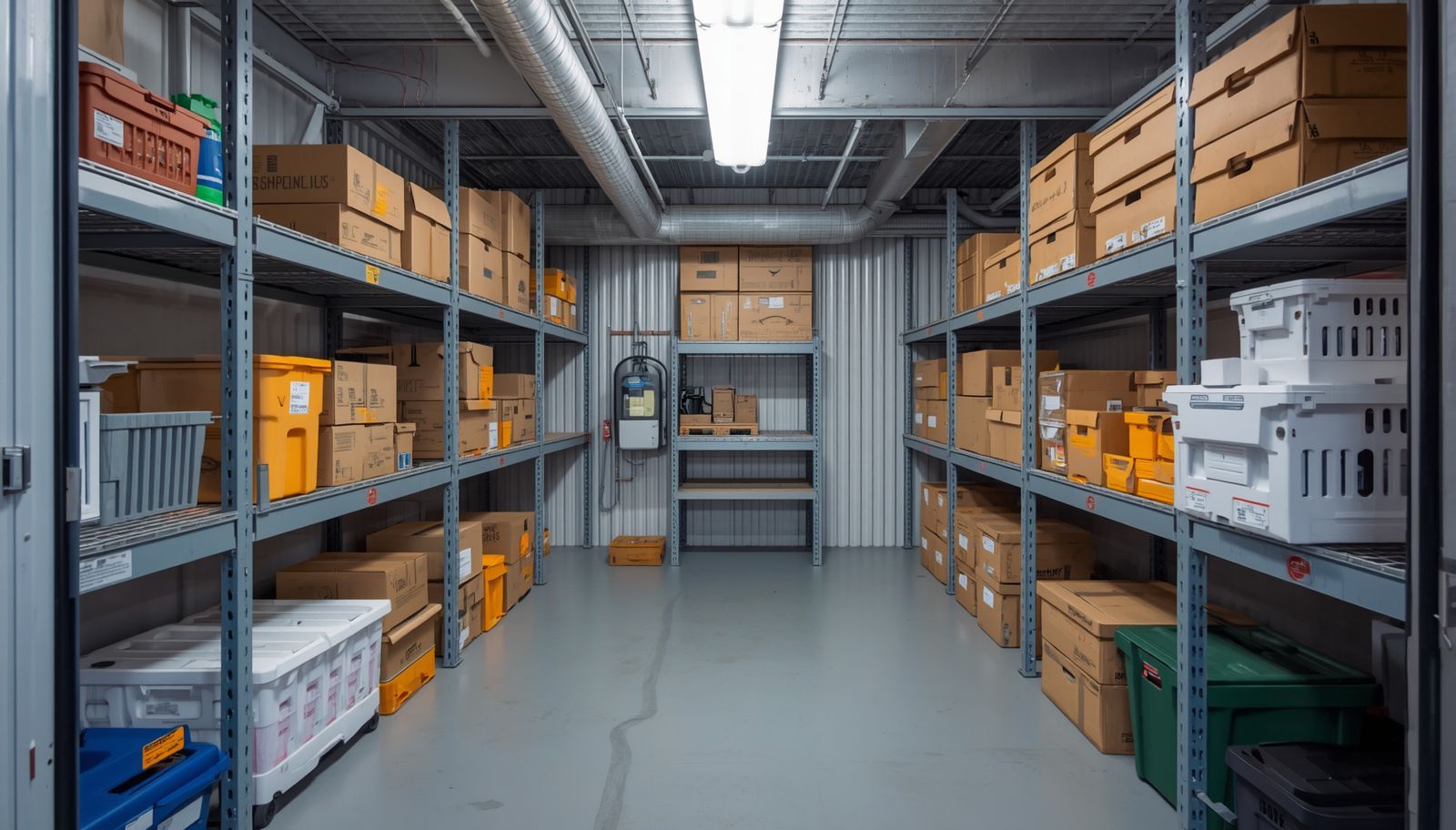
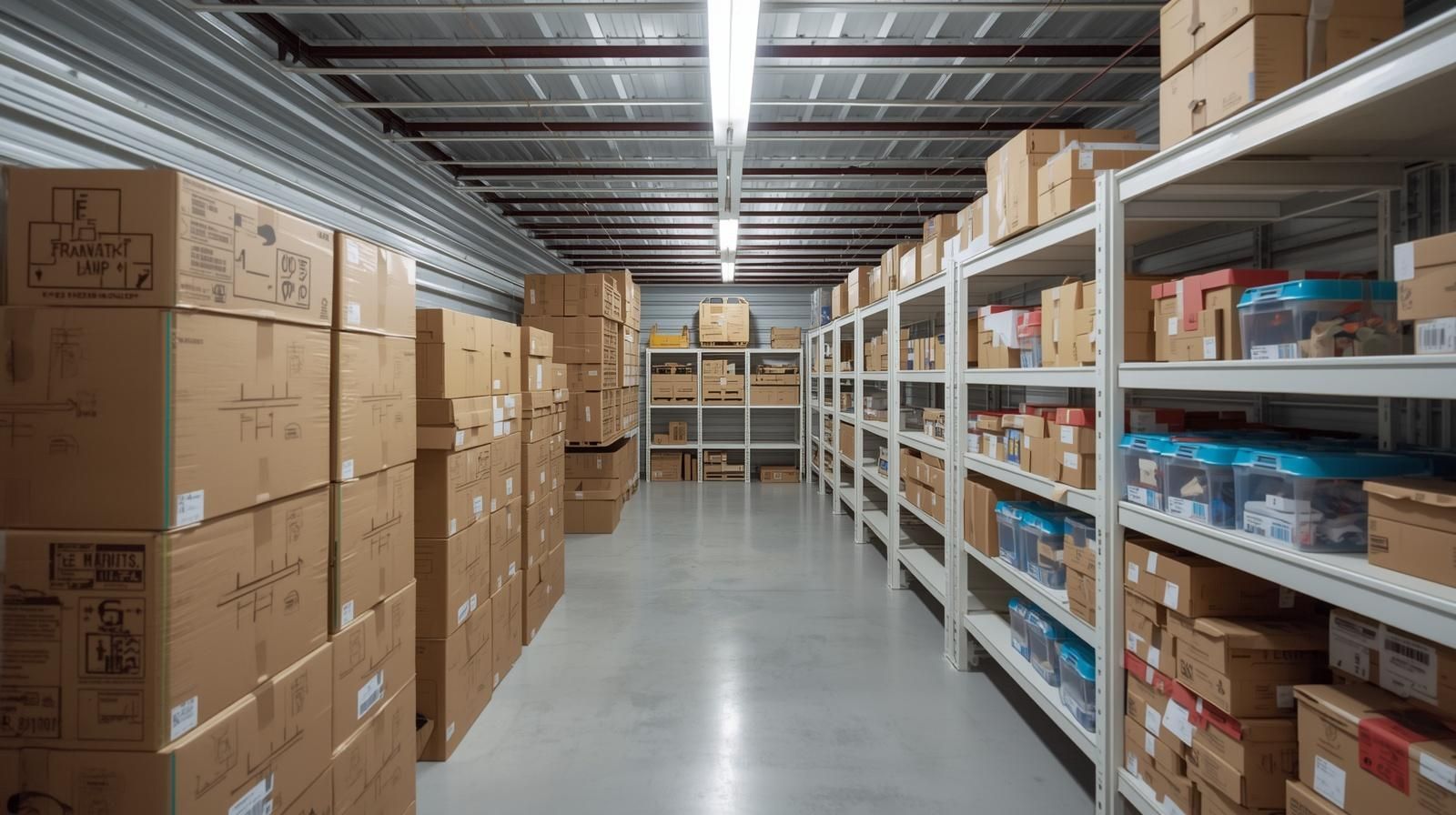
Using shelving, stacking boxes vertically, disassembling large furniture, and labeling boxes clearly can all help maximize available space. Many renters also use uniform-sized boxes because they stack more efficiently and reduce wasted space.
People organizing before a move often use practical declutter tips before renting storage, which can reduce the amount of space they ultimately need.
Think About Accessibility
Not all storage units offer the same level of convenience.
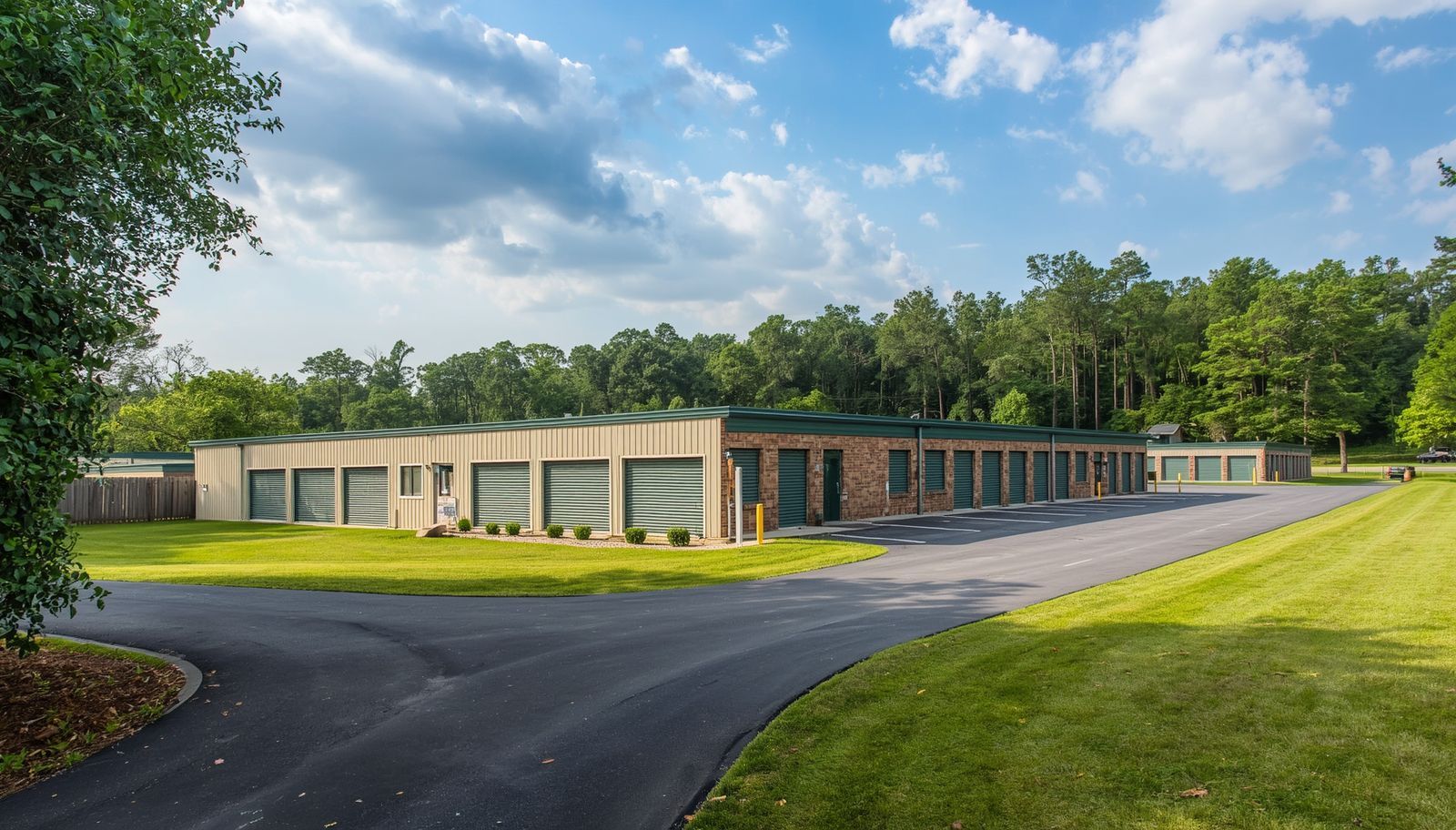
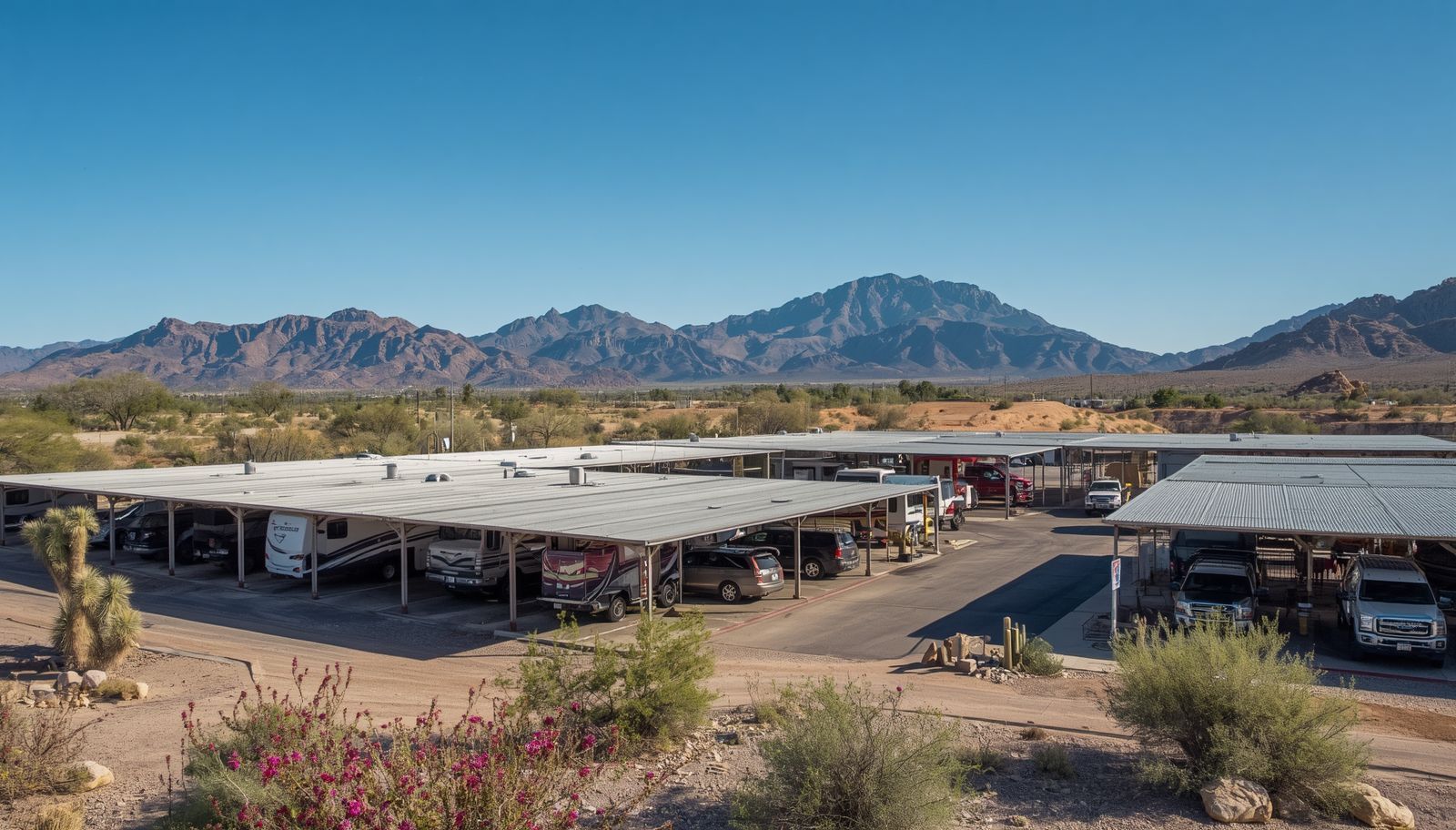
Drive-up units make loading and unloading from your vehicle easier, while indoor, climate-controlled units often provide additional protection for sensitive belongings.
Accessibility becomes especially important if you plan to visit the unit frequently. Facilities with elevators, wide hallways, and extended access hours can make storing large furniture and heavy boxes significantly easier.
Storage During Moving and Downsizing
Storage units are commonly used during major life changes.
People moving between homes often need temporary space during closing delays or downsizing situations. Others use storage while renovating, combining households, or helping family members relocate.
Storage can also reduce stress by allowing you to move gradually rather than rush everything into a single weekend.
Local moving activity in Davidson County continues to grow as more residents relocate to the Lexington area. The City of Lexington, NC and surrounding communities continue to attract both families and retirees seeking affordable living and additional space.
What Happens If You Rent the Wrong Size?
Choosing the wrong size storage unit can create unnecessary frustration.
If the unit is too small, items may become overcrowded, furniture may become damaged, and accessing belongings may become difficult. Some renters eventually need a second unit, which increases overall costs.
If the unit is too large, you may end up paying for unused space every month.
Many storage facilities allow renters to upgrade or downsize if their needs change, but selecting the right size from the start can save time and money.
Ask the Facility for Recommendations
Storage managers often help renters estimate the right size based on the number of rooms, furniture pieces, and boxes involved.
Providing a rough inventory list can help staff recommend the most efficient option for your situation. Experienced storage professionals may also suggest packing strategies that help maximize available space.
Many Lexington storage facilities offer a range of unit sizes and flexible month-to-month rentals to accommodate changing storage needs.
Final Thoughts on Choosing the Right Storage Unit Size
Finding the right storage unit size in Lexington, NC comes down to planning ahead, understanding your storage needs, and thinking about future flexibility. From small closet-sized units to larger spaces designed for full household moves, choosing the correct size can make storage much more efficient and affordable.
Whether you are moving, organizing, renovating, or simply trying to create more space at home, many residents rely on
secure storage in Lexington, NC for convenient, flexible solutions year-round.