Choosing the Right Storage Unit Size for a 3 Bedroom House
If you are planning a move or just need extra space, one of the most common questions is what size storage unit works best for a 3-bedroom house. The answer depends on how much you plan to store, how it is packed, and how long you need the unit.
Many people find that using options like self-storage in Kernersville helps protect their belongings while providing enough space to stay organized throughout the process.
Understanding Storage Unit Sizes for a 3 Bedroom Home
A typical 3-bedroom house usually requires a medium to large storage unit. In most cases, people choose between a 10x15, 10x20, or even a 10x30 unit, depending on how much furniture and how many boxes they have.
A fully furnished 3-bedroom home with large items like couches, beds, appliances, and dining sets will usually need at least a 10x20 unit. If you are storing everything, including garage items, outdoor equipment, or extra belongings, a larger unit may be the better choice.
How Much Space Does a 3 Bedroom House Actually Take?
Space needs depend on packing efficiency and how much of your home you store.
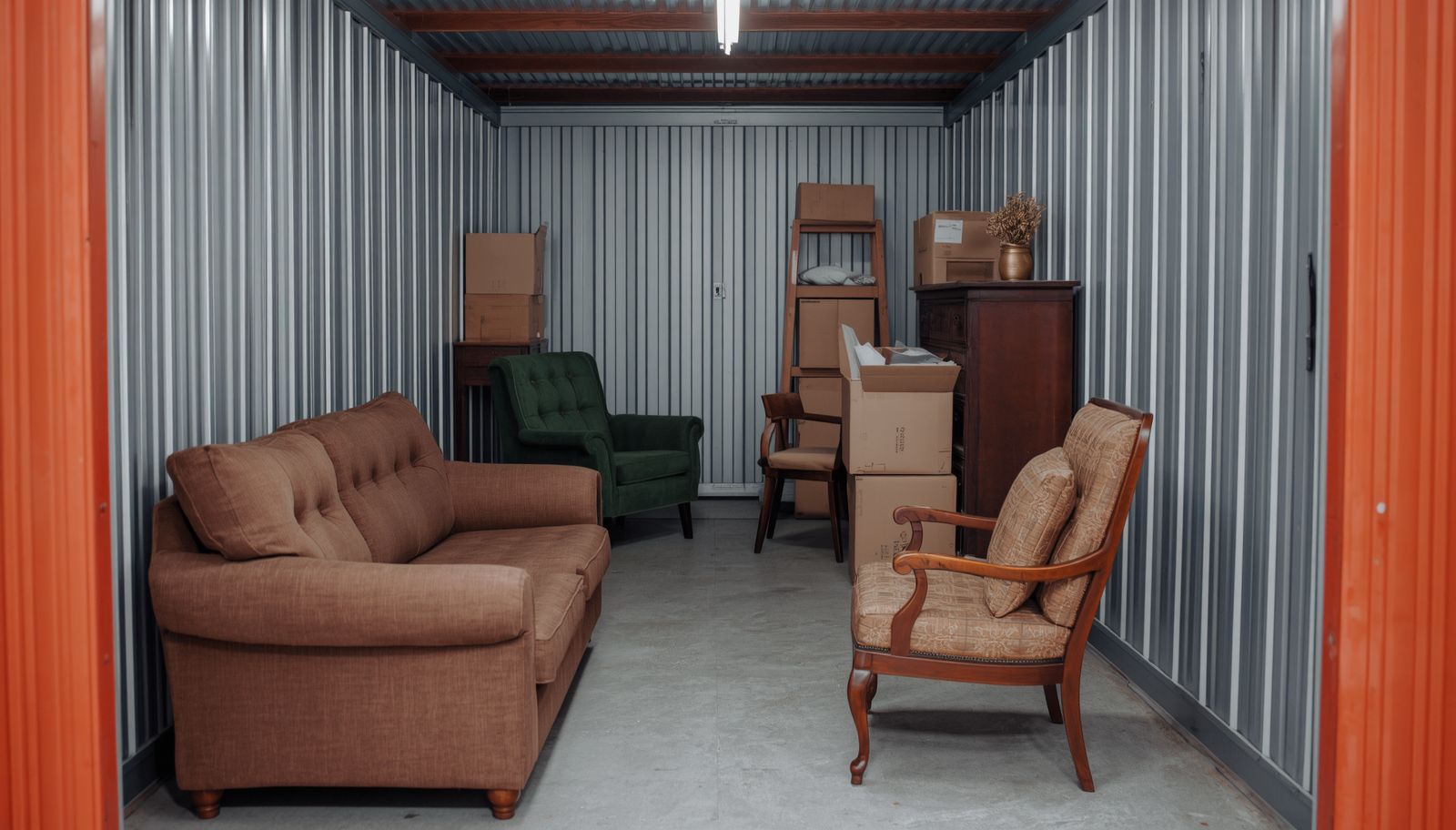
If you are only storing furniture and a few boxes, a 10x15 unit may be enough. However, if you are storing an entire household, including mattresses, dressers, appliances, and packed boxes, you will likely need a 10x20 or larger.
Disassembling furniture and stacking boxes properly can help you maximize your available space.
Is a 10x10 Storage Unit Enough?
Many people wonder how big is a 10x10 storage unit and whether it can handle a full household. A 10x10 unit is roughly the size of a small bedroom and typically works best for a one or two-bedroom apartment.
For a 3-bedroom home, a 10x10 unit is usually not enough unless you are only storing a few items. It can work for partial storage, but most full-home moves will require something larger.
Choosing Between 10x15, 10x20, and 10x30 Units
A 10x15 unit is often a good middle-ground option if you are storing a moderate amount of furniture and boxes. It works well if you are downsizing or only storing certain rooms.
A 10x20 unit is the most common choice for a full 3-bedroom house. It can typically hold the contents of an entire home, including large furniture and appliances.
A 10x30 unit provides even more flexibility. This size is ideal if you have extra items, such as outdoor equipment, business inventory, or vehicles, that also need to be stored.
When You Might Need More Space Than Expected
It is common to underestimate how much space you need. Items stored in garages, closets, and attics can quickly add up.
If you have bulky furniture, large appliances, or a lot of boxes, it is usually better to go slightly larger than you think you need. Having extra space also makes it easier to access your items later without unpacking everything.
Climate-Controlled vs Standard Storage
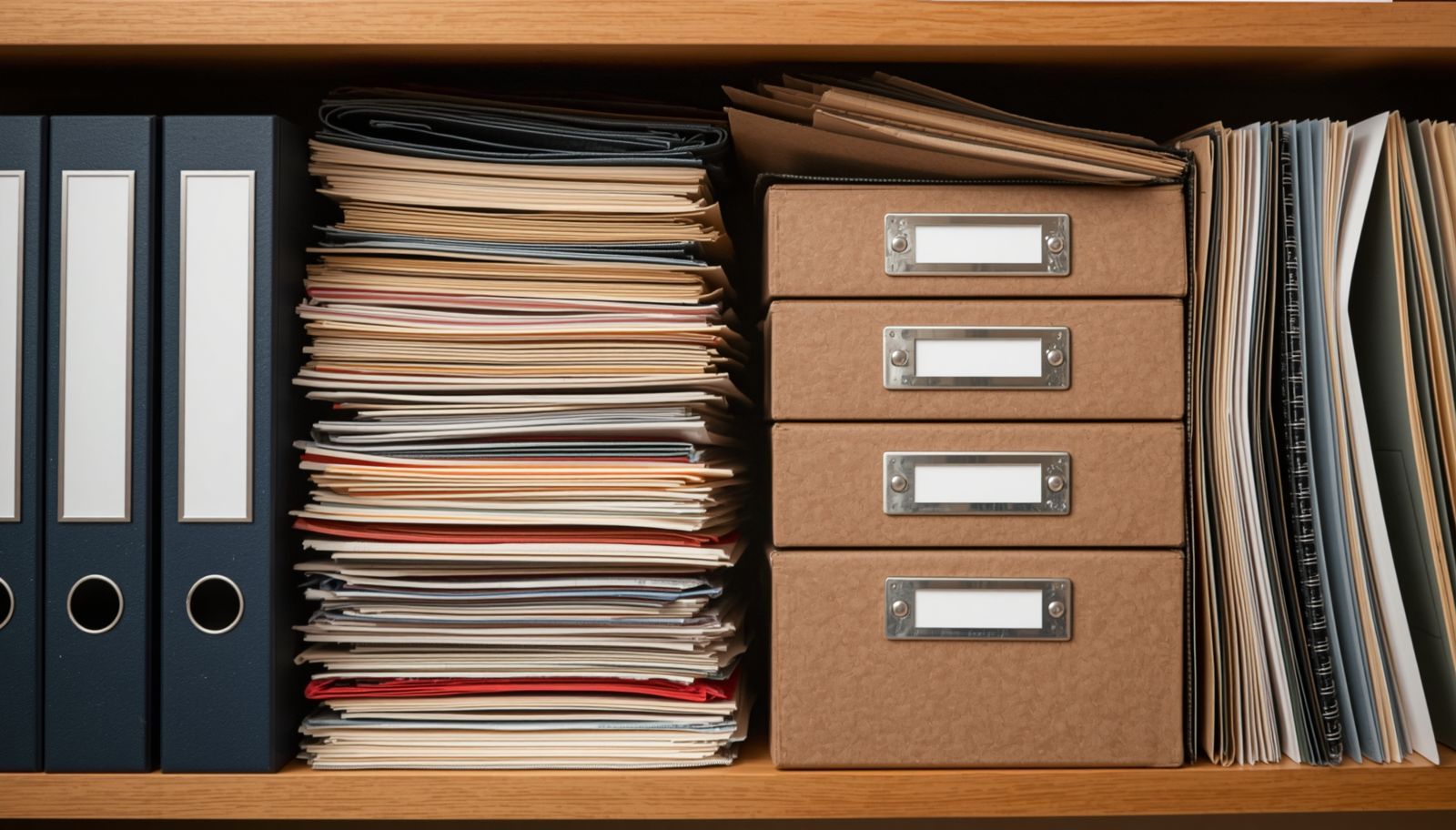
In North Carolina, climate-controlled storage is often the better choice for long-term storage. Heat and humidity can damage furniture, electronics, and important documents over time.
Using options like self-storage in Supply, NC can help maintain a stable environment and protect your belongings from moisture and temperature changes.
If you are storing items for several months or longer, climate control is usually worth the investment.
Storage Tips for Packing a 3 Bedroom House
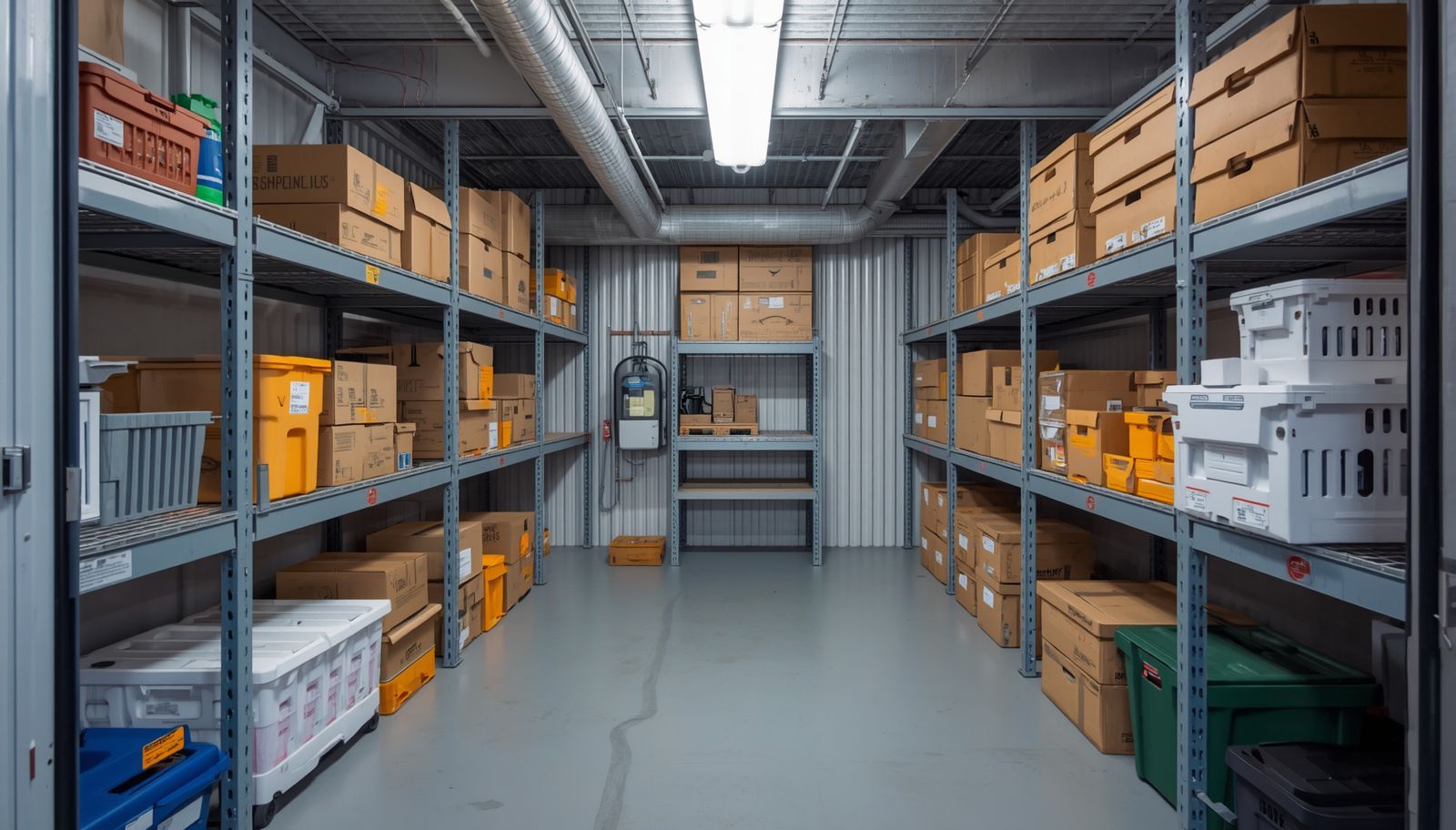
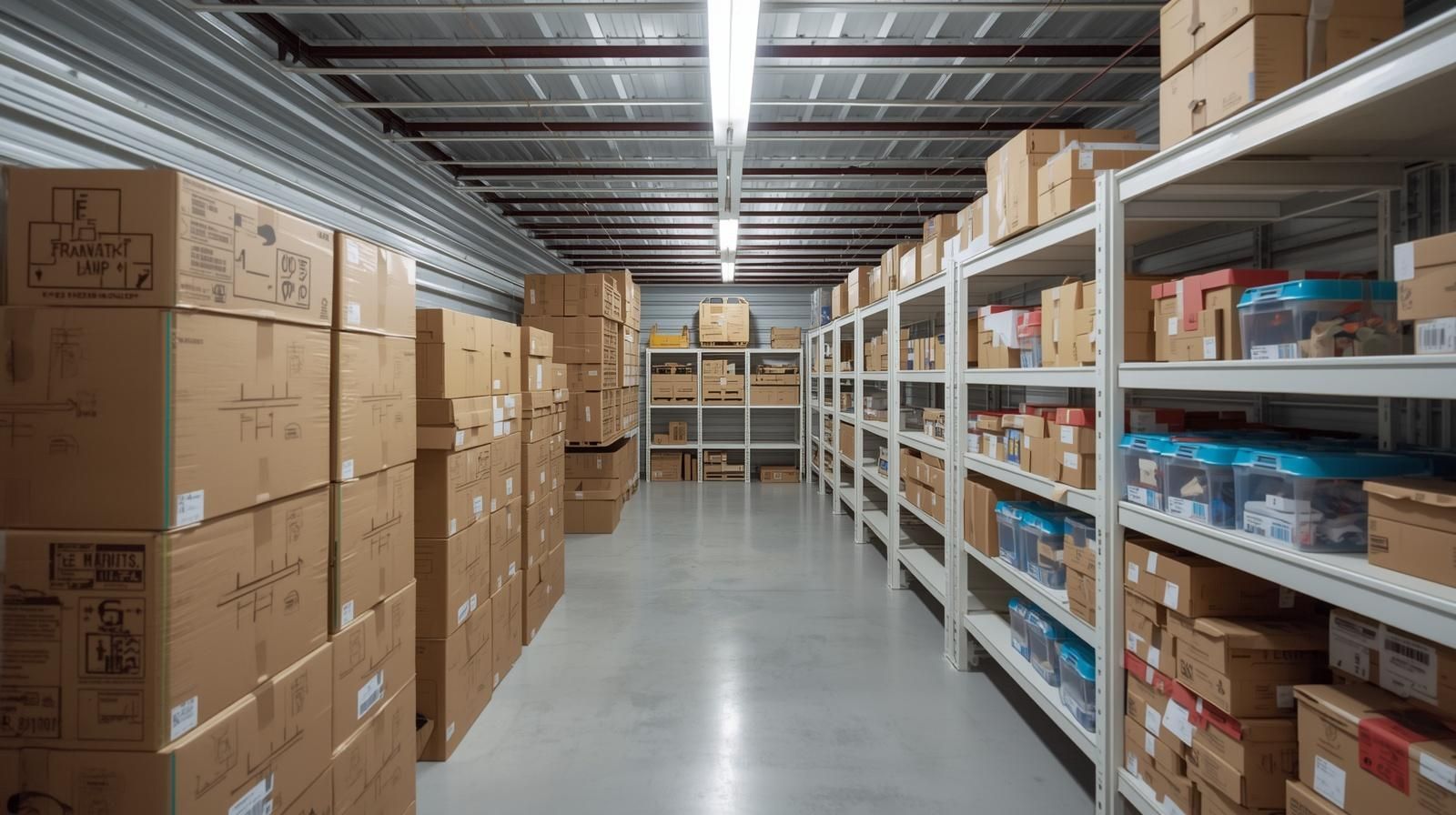
Packing efficiently can make a big difference in how much space you need. Place larger items along the walls and stack boxes toward the center.
Use vertical space whenever possible and keep commonly used items near the front of the unit. Clearly label boxes so you can find things easily later.
Creating walkways inside your unit can also make it easier to access items without having to unload everything.
Storage for Business and Extra Inventory
Storage is not just for moving. Many people also use storage units for work-related needs. If you run a small business, having extra space can be incredibly helpful.
Options like self-storage for small businesses allow you to store inventory, equipment, and supplies without taking up space at home or in your office.
This is especially useful for seasonal businesses or anyone who needs flexible storage year-round.
Local Factors That Impact Storage Needs
Local conditions can also influence your storage decisions. North Carolina’s humidity and seasonal weather changes can impact how items hold up over time.
According to the National Weather Service, the region frequently experiences high humidity and warm temperatures, especially during the summer months.
You can also review information from the North Carolina Department of Environmental Quality to better understand how environmental factors may affect your stored items.
How to Choose the Right Storage Facility
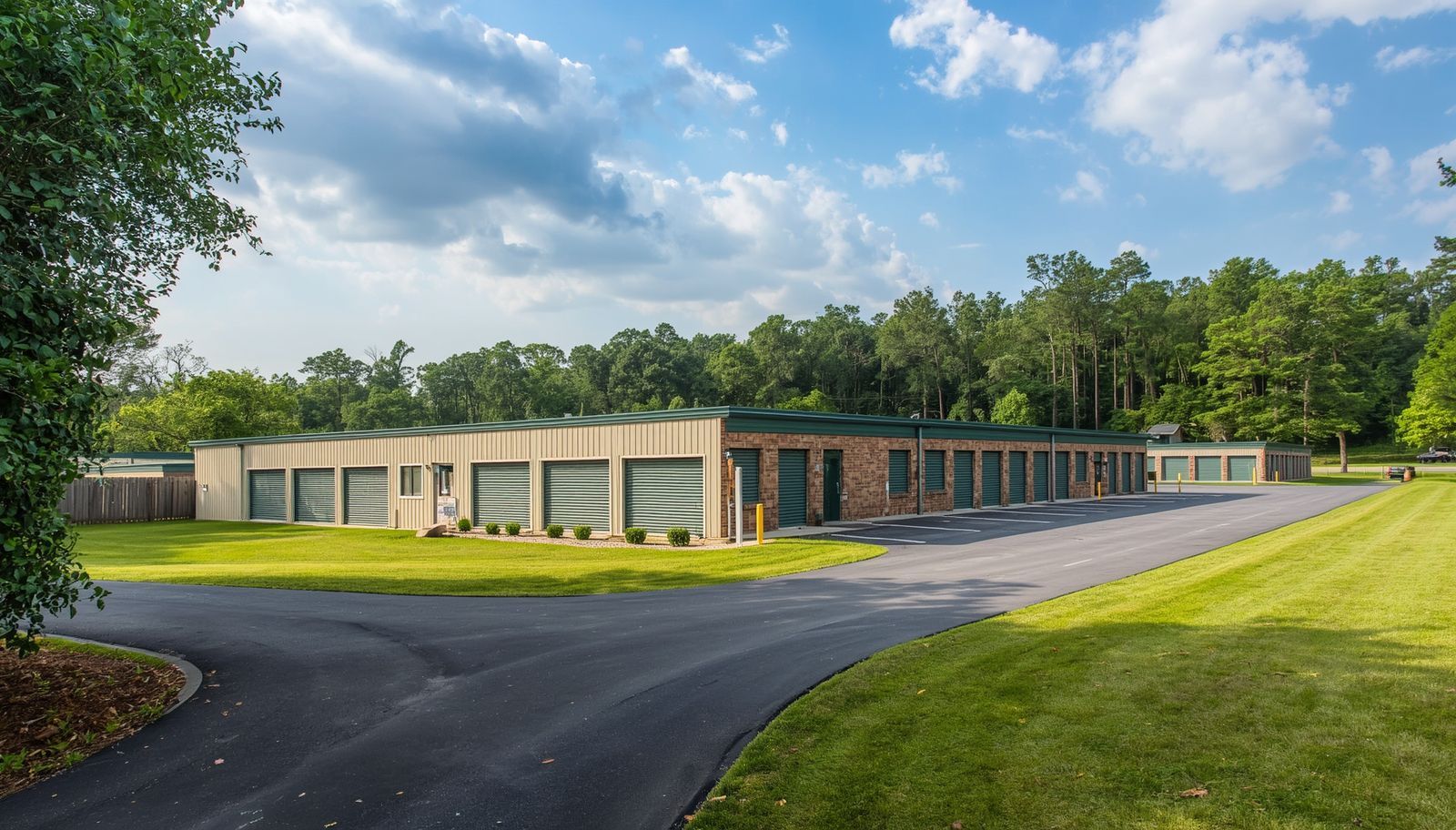
When choosing a storage facility, it is important to consider more than just size. Features like security, lighting, and accessibility all matter.
Facilities with gated entry, surveillance cameras, and clean, well-maintained units provide added peace of mind. Location is also important, especially if you plan to visit your unit frequently.
For additional moving and housing insights, the North Carolina Housing Finance Agency offers helpful resources for residents across the state.
Common Mistakes to Avoid
One of the most common mistakes is choosing a unit that is too small. This can lead to overcrowding and make it difficult to access your belongings.
Another mistake is not considering climate control when storing sensitive items. Heat and humidity can cause long-term damage that is often avoidable.
Planning ahead and choosing the right size and type of unit can help you avoid these issues.
Final Thoughts on Storage Size for a 3 Bedroom House
Choosing the right storage unit for a 3-bedroom house comes down to understanding your needs and planning ahead. Most households will require at least a 10x20 unit, with larger options available for those with extra belongings.
Taking the time to choose the right unit size and setup will help ensure your items stay safe, accessible, and in excellent condition for as long as needed.