A Practical Guide to Using Storage During Military Moves and PCS Transitions
Military moves often come with tight timelines, changing orders, and logistical challenges that civilian moves rarely involve. If you are preparing for a PCS, transitioning between duty stations, or waiting on housing availability, having a flexible storage plan can make the process far less stressful.
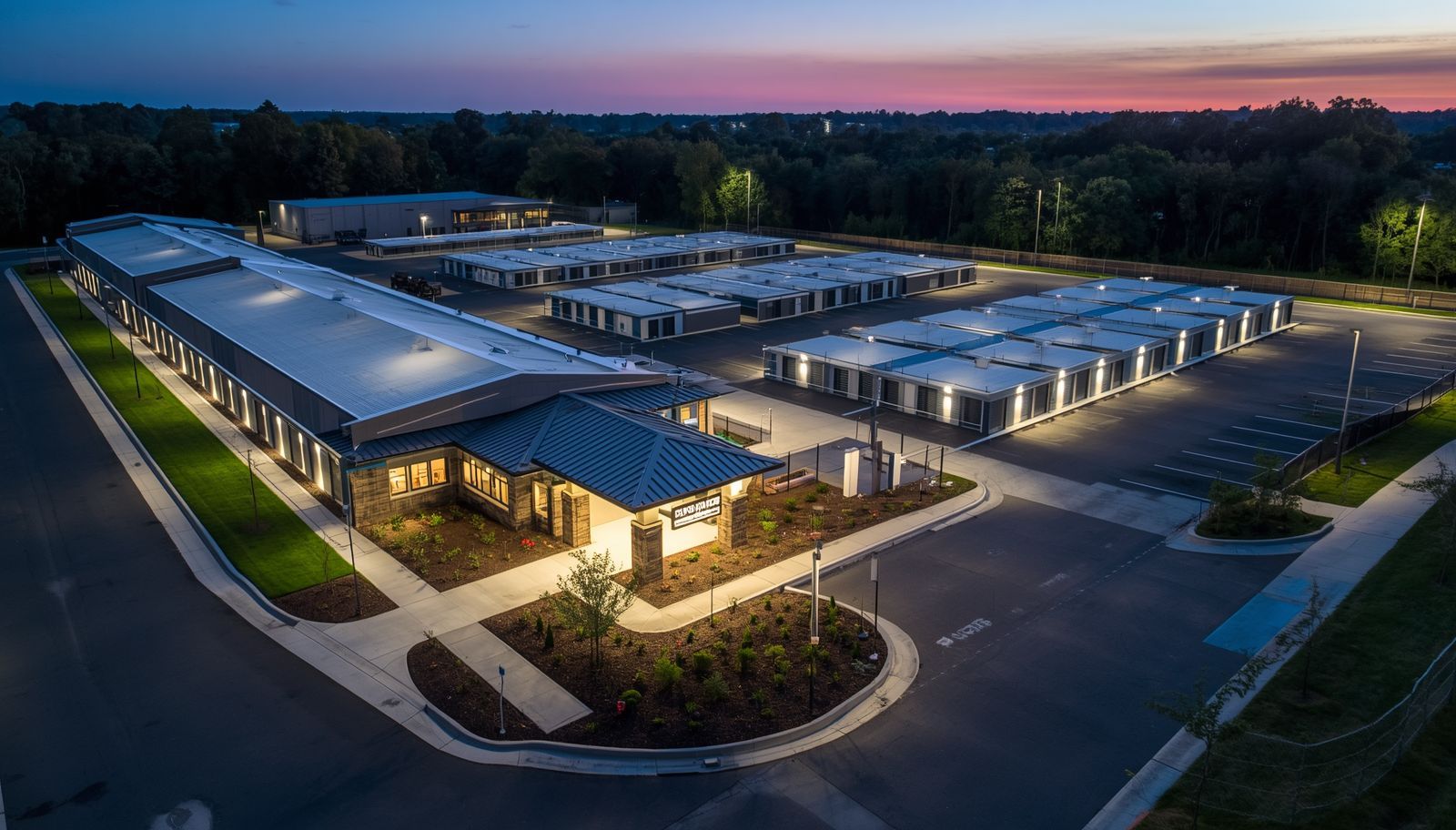
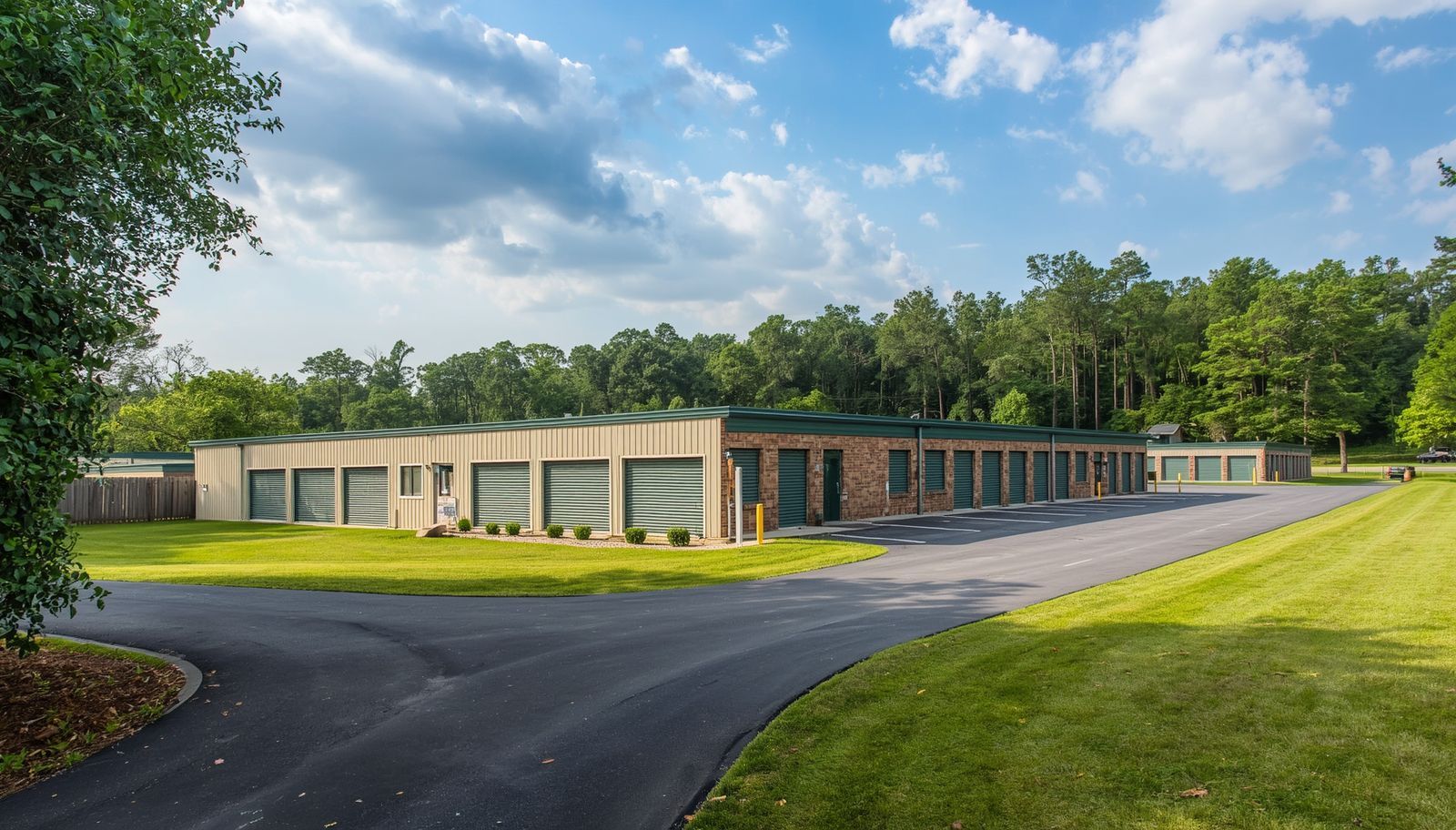
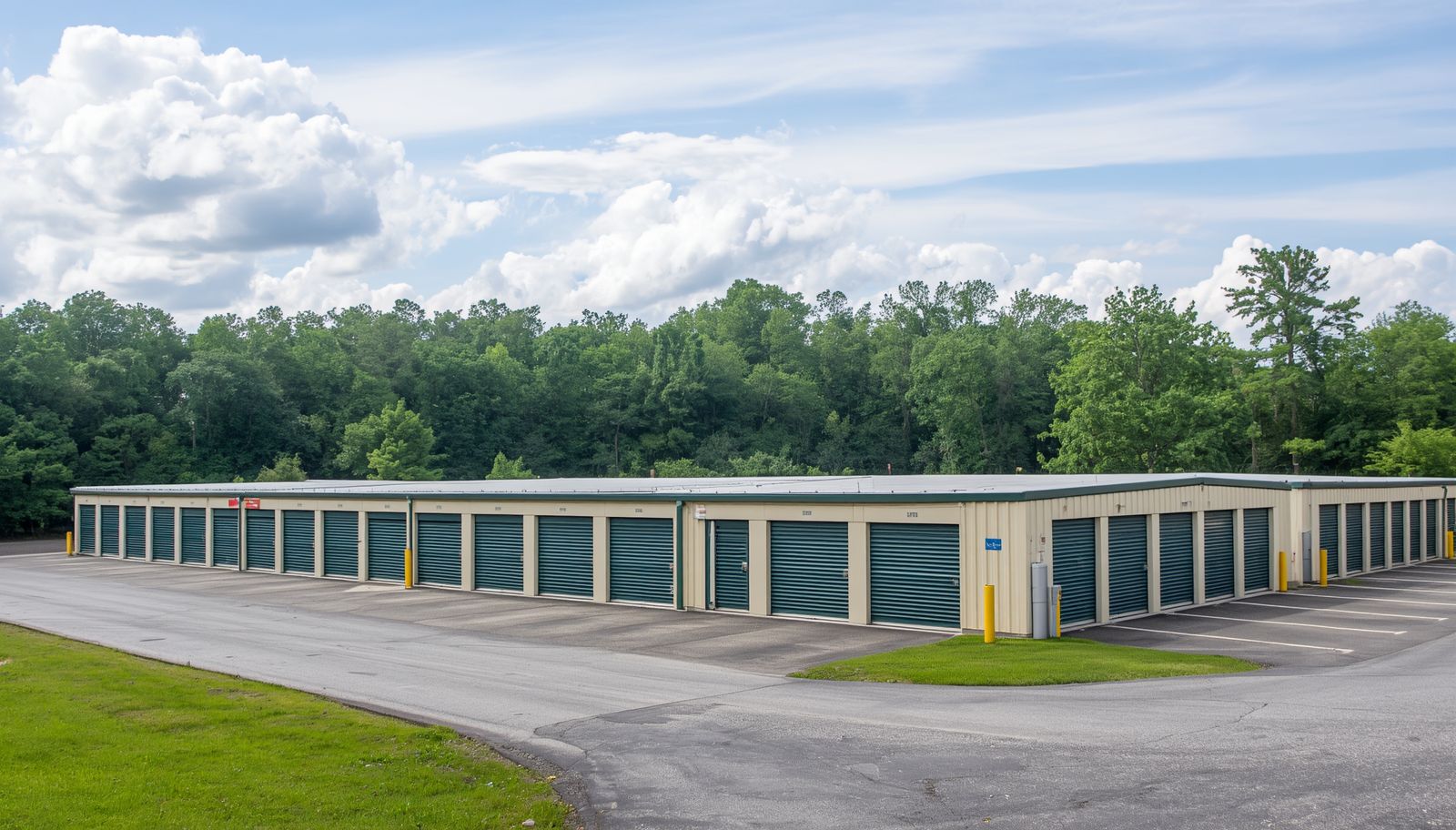
Many service members and military families choose short- or long-term storage options, such as City Storage Kernersville, to bridge gaps between moves and keep belongings secure during transitions.
Using storage during a military move is not about storing everything long term. It is about creating flexibility when dates, housing, or assignments change unexpectedly.
Why Military Moves Often Require Storage
Using storage during a military move is not about storing everything long term. It is about creating flexibility when dates, housing, or assignments change unexpectedly, which is why many families benefit from taking time to plan their move in advance.
Resources like Military OneSource PCS moving guidance highlight how flexible planning tools, including storage, can ease the stress of frequent relocations.
Common Scenarios Where Storage Helps Military Families
Storage is useful in a wide range of military moving situations.
Some families need temporary storage while waiting for base housing or off-base rentals to become available. Others use storage during overseas deployments or training assignments where only part of the household moves.
Storage is also helpful when families split time between locations, such as when one spouse reports early while the rest of the household follows later.
In these situations, storage keeps belongings centralized and secure until everyone is ready to settle in one place.
Short-Term vs Long-Term Storage for PCS Moves
Not all military moves require the same type of storage. Understanding the difference between short-term and long-term storage helps you plan more effectively.
Short-term storage is ideal for brief gaps between duty stations or while waiting on housing. It allows quick access to belongings and works well for furniture, household items, and seasonal gear.
Long-term storage is better suited for extended deployments, overseas assignments, or situations where belongings will not be needed for months or longer. Long-term storage works best when items are packed carefully, inventoried, and organized to reduce handling later.
What Military Families Typically Store
Military households often store a mix of everyday items and specialty belongings.
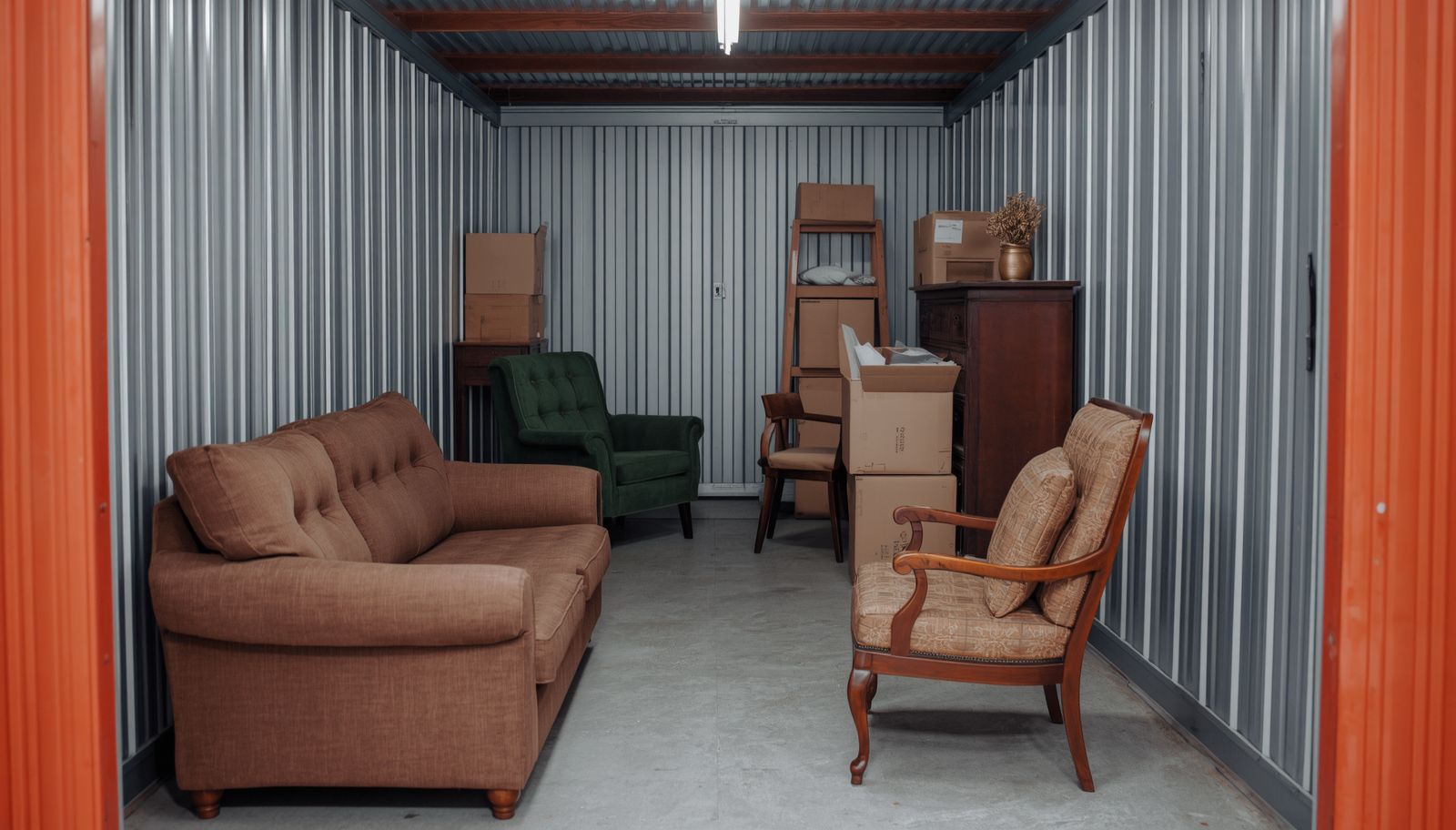
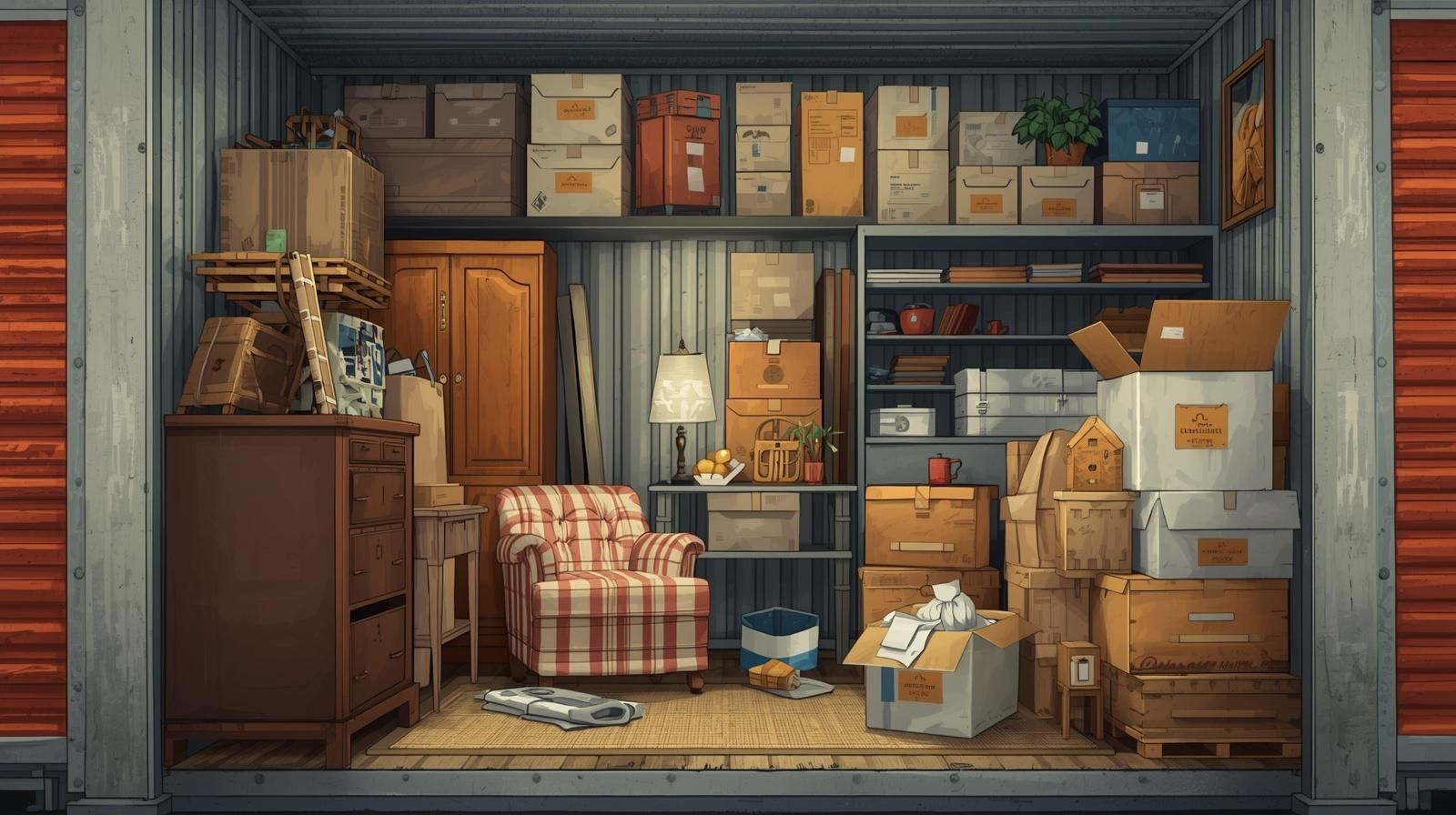
Common storage items include furniture, mattresses, appliances, and boxed household goods. Seasonal clothing, holiday decorations, sports equipment, and children’s items are also frequently stored to reduce clutter.
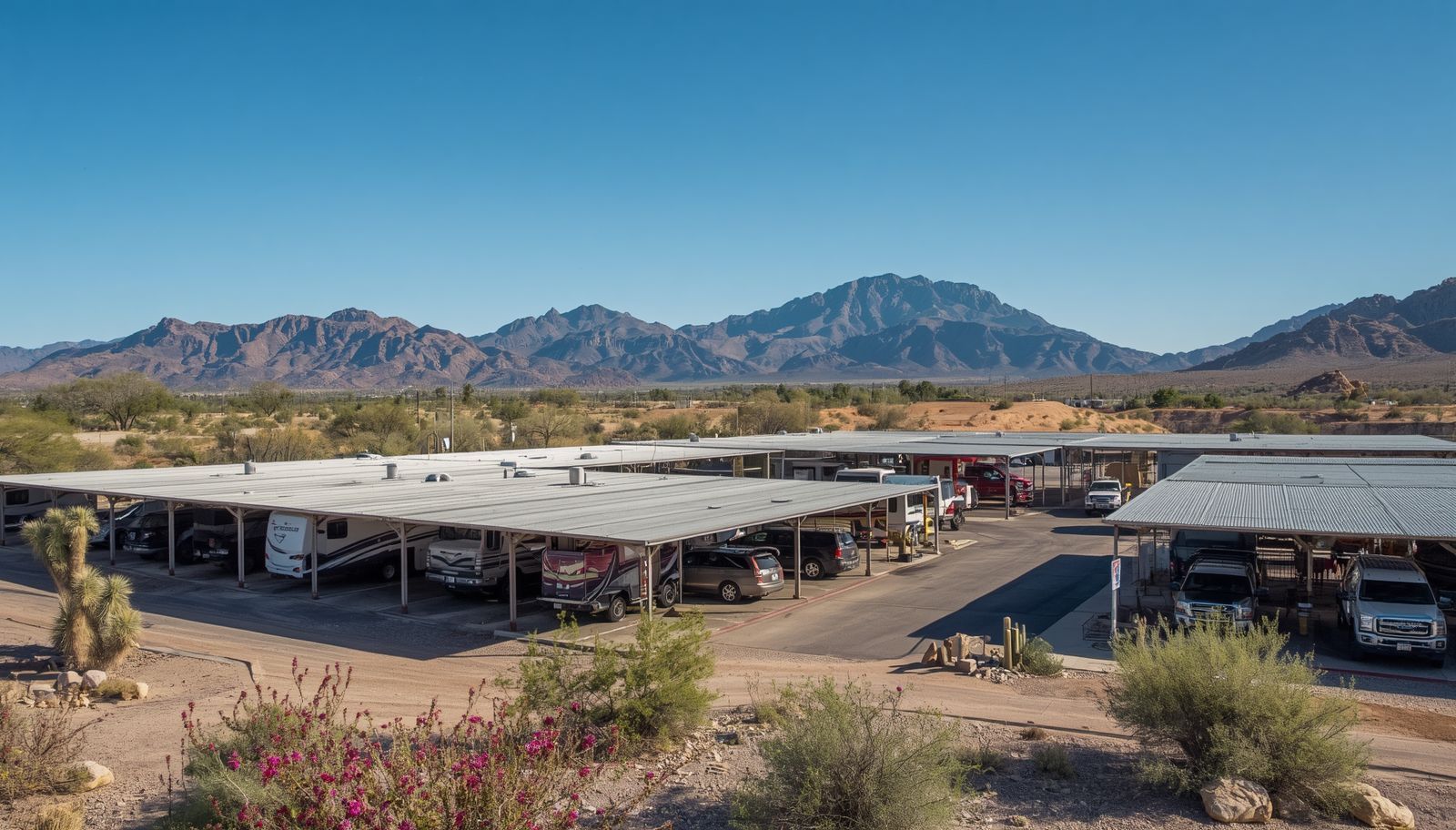
Some families store items that are restricted or impractical to ship, such as extra vehicles, outdoor furniture, or large recreational gear. Storage allows families to keep these items without needing to sell them before every move.
How Storage Helps During Overseas Assignments
Overseas assignments often come with strict limitations on what can be shipped. Storage provides a safe place to keep items that cannot travel internationally.
Furniture that does not fit overseas housing, excess household goods, and personal items can be stored until the assignment ends. This prevents unnecessary sales or replacements later.
Using storage during overseas assignments also simplifies the return process, since belongings are already centralized and accessible when families come back stateside.
Downsizing and Storage During Military Transitions
Military families often downsize when relocating to smaller homes or moving into temporary housing. Storage allows you to keep important items without overcrowding your living space.
This is especially useful during separation or retirement transitions, when long-term housing plans may still be uncertain. Storage gives families time to make thoughtful decisions instead of rushed ones.
Downsizing with storage also helps reduce moving costs by limiting what needs to be transported immediately, especially when families follow practical decluttering tips before storing belongings.
Tips for Packing Storage Units During Military Moves
Packing for storage is different from packing for a quick move. Items may sit untouched for weeks or months, so proper preparation matters.
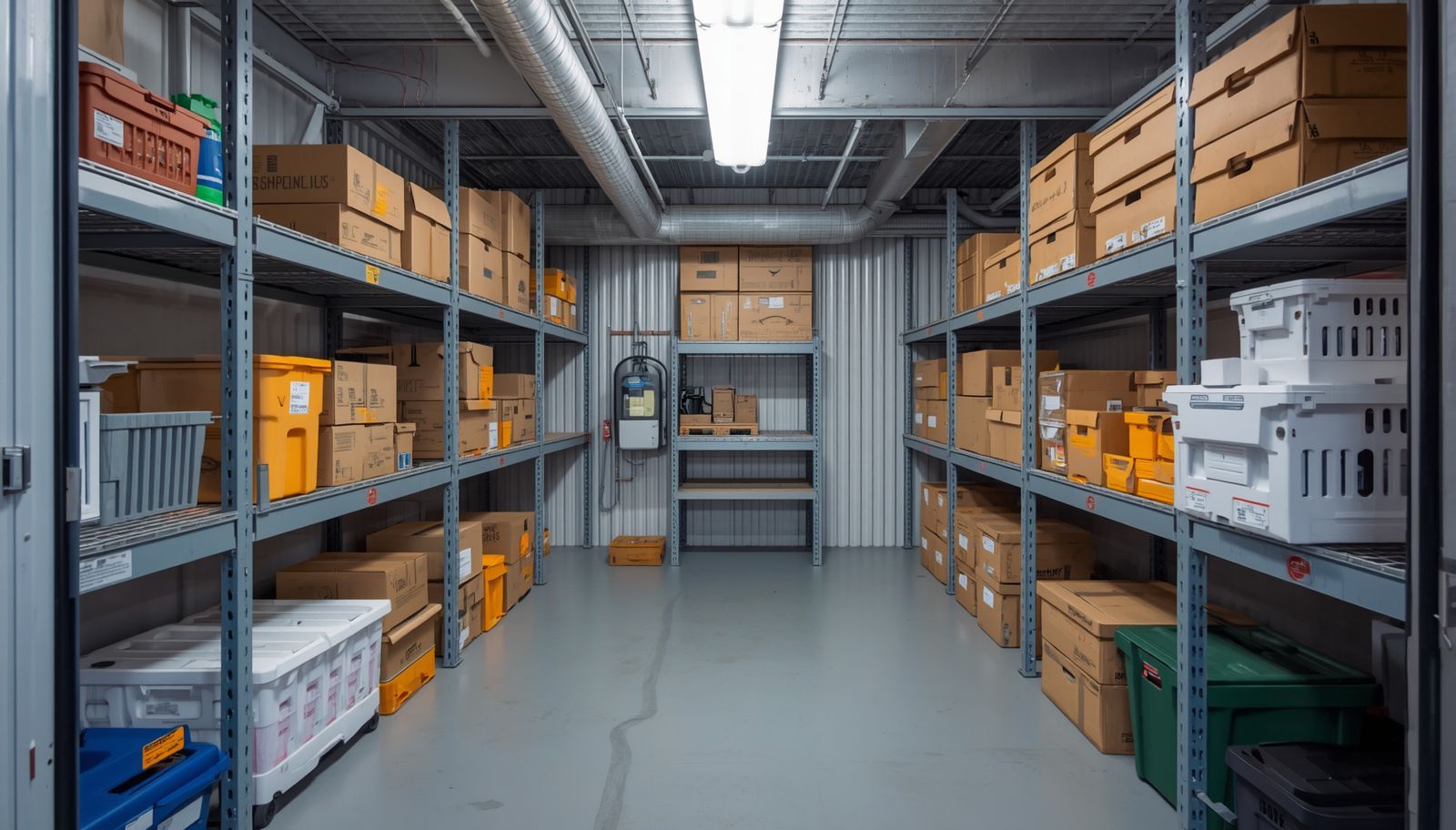
Use sturdy boxes, label everything clearly, and create an inventory list. Place frequently needed items near the front of the unit if access is required.
Guidance from the Defense Personal Property Program emphasizes detailed inventories and careful packing to help service members keep track of household goods during extended moves and transitions.
Planning Storage Access Around Military Schedules
Military schedules are often unpredictable. Choosing storage that allows flexible access helps accommodate last-minute changes.
Keeping essential items accessible can be helpful if orders change or travel plans shift. This flexibility reduces stress and avoids unnecessary repacking.
Planning access ahead of time also helps when coordinating moves across different duty stations or managing overlapping assignments.
Storage and Temporary Duty Assignments
Temporary duty assignments can create unexpected storage needs. Whether a TDY lasts weeks or months, storage provides a solution without committing to long-term housing changes.
Many service members use storage to keep household goods secure while staying in furnished housing or temporary accommodations. This allows them to travel lighter while maintaining control over their belongings.
Storage during TDY assignments also helps avoid repeated packing and unpacking cycles.
Storage for Military Spouses and Families
Military spouses often manage moves while service members are deployed or in training. Storage can simplify logistics during these periods.
Having a storage plan in place allows spouses to move at a manageable pace, handle paperwork, and coordinate housing without rushing. It also helps families adjust gradually to new locations.
Storage can be especially helpful for families with children, pets, or special needs, where flexibility and organization are essential.
Storage and Housing Delays on Military Installations
One of the most common reasons military families use storage is housing delays on or near military installations. Even when orders are confirmed, move-in dates for base housing or off-base rentals can shift with little warning.
Storage allows families to move out on time without scrambling to find temporary space for their belongings.
This is especially helpful during peak PCS seasons when housing inventory is tight. Having storage in place gives families the freedom to wait for the right housing option instead of settling for a short-term solution that does not meet their needs.
Using Storage to Reduce PCS Stress and Costs
Military moves can be stressful and expensive, especially when timelines change. Storage can help reduce both emotional and financial strain by allowing families to separate the move into manageable steps.
Instead of rushing to transport everything at once, families can store nonessential items and focus on what they need immediately. This approach often reduces moving costs and minimizes the risk of damage caused by rushed packing.
Storage also helps avoid last-minute decisions, such as selling furniture or household goods that may be needed again later.
Preparing Storage for Quick Retrieval After Arrival
Once a military family arrives at a new duty station, having a plan for retrieving stored items saves time and frustration. Organizing storage with clear labels and an inventory list makes it easier to retrieve only what is needed at each stage of settling in, especially when following proven ways to organize a storage unit for easy access.
Many families prefer to unpack gradually, especially when adjusting to a new home, school schedule, or work environment. Storage supports this slower, more controlled approach, allowing families to settle in without feeling overwhelmed.
Being able to retrieve items on your own schedule helps military families regain a sense of normalcy more quickly after a move.
Avoiding Common Storage Mistakes During Military Moves
One common mistake is underestimating how long storage will be needed. It is often better to plan for extra time than to rush retrieval.
Another mistake is poor labeling. Without clear labels or an inventory, finding specific items later can be frustrating.
Avoid stacking heavy items improperly or blocking access to important belongings. Thoughtful organization saves time and prevents damage during long-term storage.
Using Storage as Part of a Long-Term Military Moving Strategy
For many military families, storage becomes a recurring part of life rather than a one-time solution. Having a reliable storage option makes future moves easier to manage.
Using storage strategically helps families adapt to new assignments, housing changes, and life transitions with less disruption.
When storage is part of the overall plan, military moves become more manageable and less overwhelming.
Final Thoughts on Using Storage During Military Moves
Military moves come with unique challenges, but the right storage plan can make a significant difference. Whether you need short-term flexibility or long-term security, storage provides a practical solution during uncertain timelines and transitions.
For service members and families moving through North Carolina or nearby regions, options like
City Storage Gastoniaoffer convenient ways to protect belongings, reduce stress, and stay organized throughout every stage of a military move.